






 Portuguese
  Spanish




Practical Guide with Six Strategic Decisions for Those Who Want to Build Houses to Sell in 2025 and 2026, Evaluating Financial Viability, Land Selection, Property Standard, Risk of Unsold Inventory, Capital Turnover, and Sales in My House, My Life and Local Market
Building houses in 2026 is viable, including in My House, My Life, provided the builder adopts a rigorous feasibility study, correct land selection, demand-compatible property standard, and an active sales strategy to avoid immobilized capital and losses.
The housing construction market remains active but requires more careful technical decisions, especially for newcomers. Practical experience shows that planning errors, inadequate standards, or financial pressure during sales can turn a good project into a bad business.
The first strategic decision involves a feasibility study even before purchasing the land. The spreadsheet must include land, materials, labor for construction, projects, documentation, taxes, construction interest, and indirect costs, creating a realistic view of the total investment.
-
17-Story Building with 112 Apartments Opens in Australia to House Homeless Population, Offering Fully Equipped Units with Daily On-Site Support

-
81-Meter Bridge Made from Over 7 Tons of Recycled Plastic Connects Isolated Communities in Panama Canal Basin, Allowing Safe Passage for Over 300 Residents
-
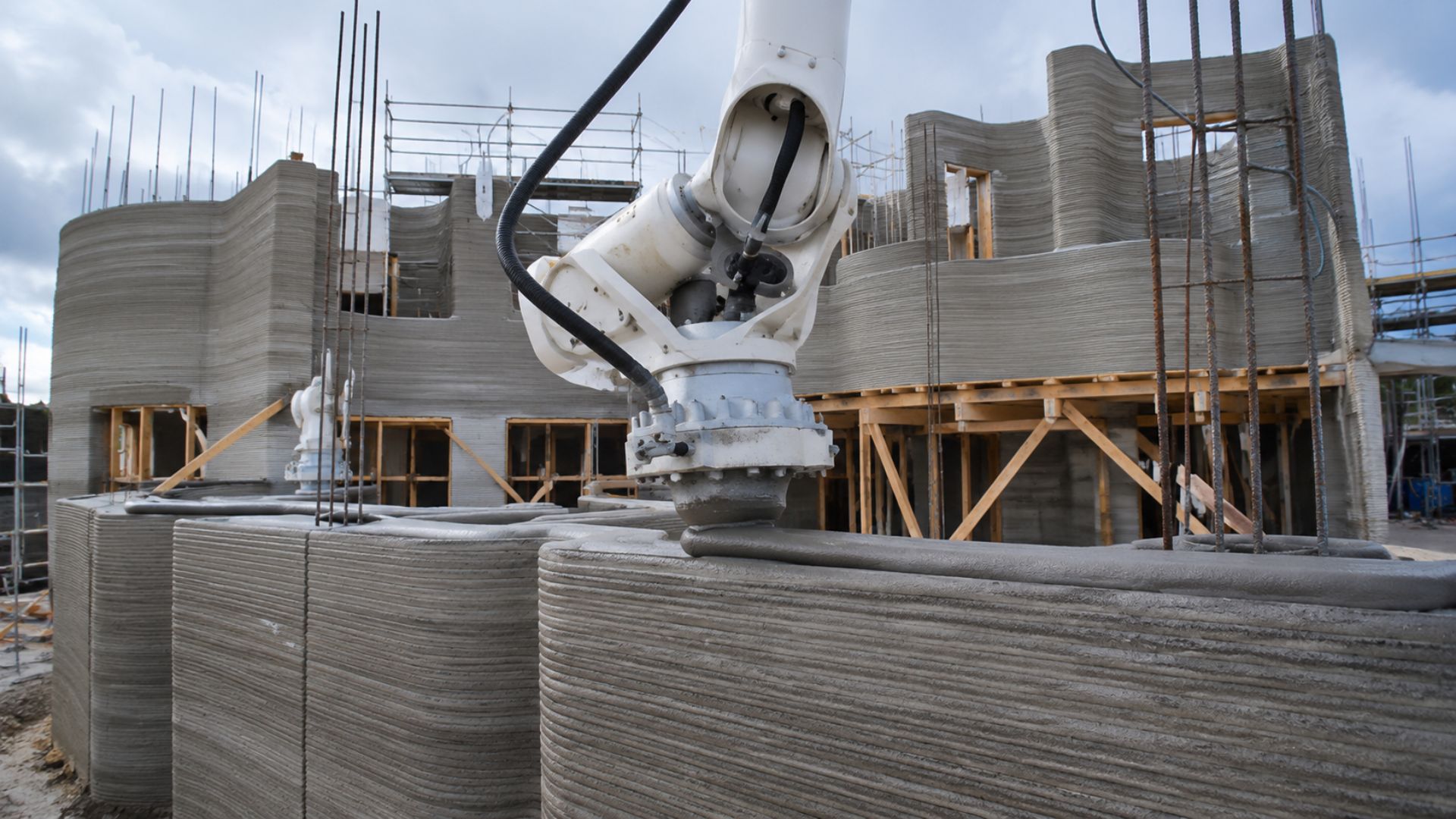
Australia’s First Two-Story 3D-Printed House Built in 18 Hours, 22% Cheaper Than Traditional Methods, Uses Concrete That Hardens in 3 Minutes
-
Architect Converts 1955 Grain Silo into 31m² Home with Full Amenities, Including Kitchen, Bathroom, Curved Living Room, and Loft Bedroom




Contrary to common practice, merely allocating a 10% margin for contingencies is insufficient. For beginners, the practical recommendation is to work with a cushion of 30% to 40%, ensuring capital for delays, corrections, and especially to support the sales timeframe.
Reaching the end of the project with tight finances pressures the builder to accept offers below the ideal value. In real situations, this has already resulted in sales with losses of R$ 15,000 just to quickly close the deal.
Another critical point is understanding that the sales timeframe is uncertain. A house can sell in weeks or remain unsold for months. Those financing construction on their own land still bear construction interest, installments, and recurring costs for engineering and inspections.
Land Selection Defines Cost, Liquidity, and Risk of the Project
Location remains a decisive factor, especially for beginners. Land in neighborhoods with higher demand reduces the sales timeframe and the risk of unsold inventory, even when the property standard is simple.
However, evaluating only the address is not enough. Visiting the site at different times is essential to identify noise, frequent events, or nighttime activities that may deter buyers during the visit.
Another common mistake is choosing land that requires retaining walls, fill, or complex foundations. These elements significantly increase construction costs right from the start, compromising margins and the financial predictability of the project.
For beginners, the practical recommendation is to choose flat, regular plots in already established areas, even if the purchase price is slightly higher. The benefit comes from reduced risks and hidden costs.
Execution of the Project Requires Technical Experience and Legal Responsibility
Those without solid experience in construction should avoid taking direct management roles with freelance teams. Hiring a reliable contractor or construction manager may reduce unit profit but minimizes operational and legal risks.
The apparent savings from hiring unskilled labor without technical supervision can lead to rework, delays, and higher costs at the end of the project. The builder is responsible for defects and structural issues for up to five years.
In this context, professionalism is not an expense; it is protection for the invested capital. This decision separates sustainable projects from frustrating experiences, especially at the beginning of a career in real estate.
Regularization and INSS of the Project Directly Impact the Final Result
A little-discussed but crucial point is the regularization of the project. Having a specialized accountant can lead to significant reductions in construction social security costs (INSS), as well as avoid issues that delay the deed and sale.
Lack of planning at this stage generates surprises when closing the project, especially when cash flow is already tight. Proper documentation ensures peace of mind for both the builder and the buyer.
Ignoring this phase jeopardizes not only profits but also the speed of sales, as irregular properties face resistance from banks and financed buyers.
Sales Begins Before the Project and Involves Brokers
The commercial strategy must begin alongside construction. Maintaining active contact with local brokers accelerates sales and reduces the time a property sits unsold after completion.
Creating communication groups with brokers, announcing the start of the project, property type, location, and estimated value allows clients to be engaged in advance. In some cases, sales occur before delivery.
Paying a 5% commission should be seen as an operational cost, not a loss. The broker works actively for the client and ensures liquidity for the project, which is essential for capital turnover.
Property Standard Needs to Reflect the Real Demand of the City
The biggest strategic mistake is to build above local demand. High-end houses can immobilize capital for months or years, while affordable and mid-range properties sell quickly.
In practice, affordable houses of about 70 m², on 6×30 plots, priced around R$ 170,000, sell quickly and generate an average profit of R$ 40,000 per unit when replicated at scale.
Larger projects, with costs near R$ 600,000 and selling prices above R$ 800,000, face greater difficulty, even though they are technically superior properties. Liquidity is more valuable than sophistication.
Builders who opt for volume and turnover achieve more consistent results, while isolated high-end projects concentrate risk and require greater financial stamina.
In the scenario of 2025 and 2026, the real estate sector remains a good business, as long as guided by rigorous planning, correct reading of local demand, and financial discipline. The market does not forgive improvisation but rewards well-executed strategies, even in simple, affordable, and lower-value projects.


