





 Portuguese
  English
  Spanish
  4 min of reading
  0 comments


The so-called Bridge of the Future, a project costing nearly half a billion reais, is advancing in its construction in Brazil and promises to significantly shorten travel time for the population, transforming the lives of those who currently spend hours on the journey between two points.
Few things change the daily life of a region as much as a good bridge. It shortens distances, brings places closer, and gives people back something precious, time that was previously lost on the road. This is precisely the transformation that the so-called Bridge of the Future in Brazil promises to bring as its construction progresses.
The project, budgeted at around R$ 465 million, is one of those that promise to change the mobility of an entire region. By directly connecting two points currently separated by a lengthy route, it will significantly reduce travel time for the population, facilitating the commute for those who live, work, and produce there. It’s real infrastructure arriving to solve an old problem.
The time a bridge gives back
The greatest gift a bridge offers is time. Where once a long detour was necessary, crossing a river by ferry or facing a winding route, a well-positioned bridge creates a direct and quick path. For those who use this route every day, the time saved accumulates and turns into hours, days, weeks of life that are no longer wasted in transit.
-
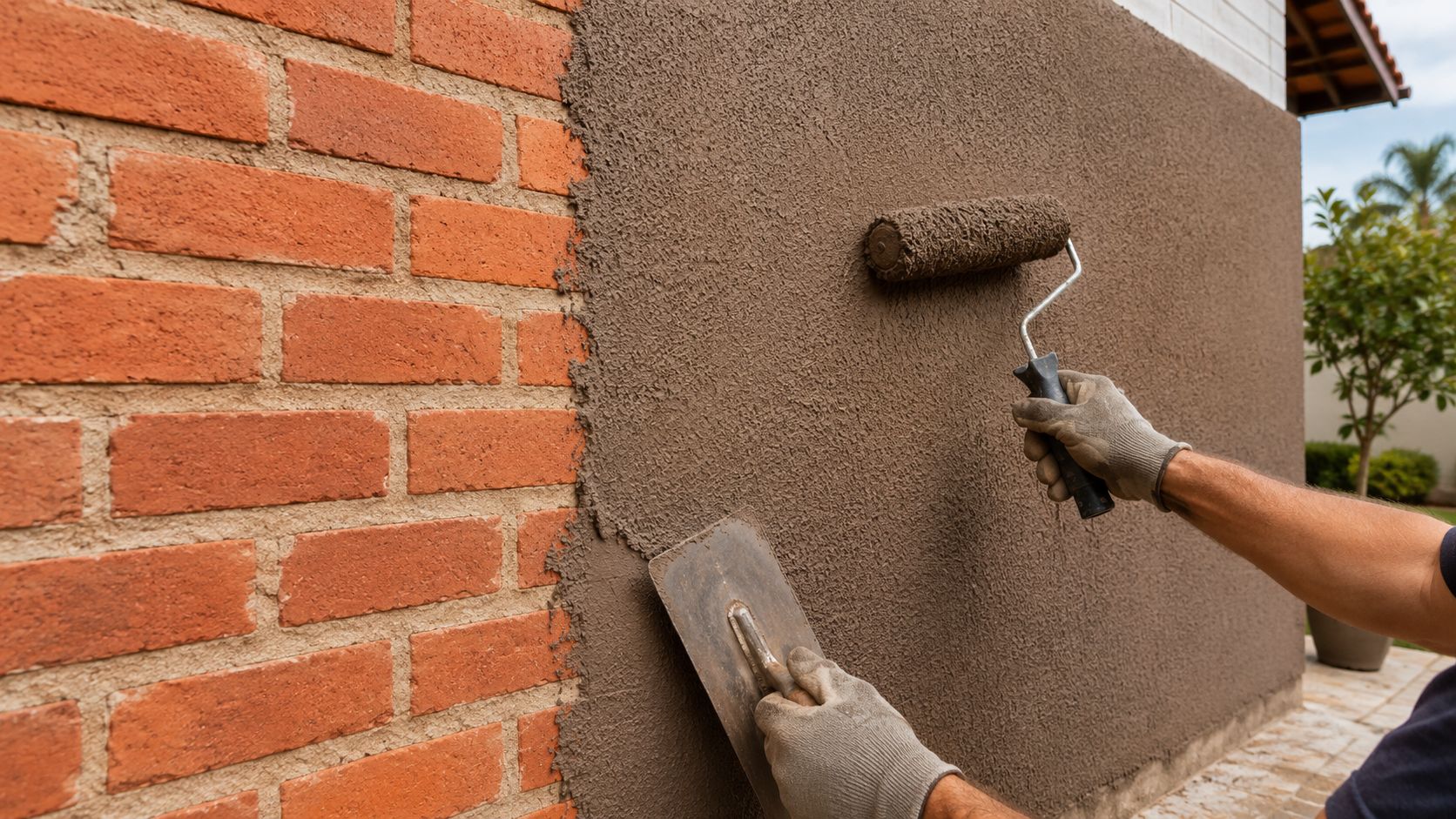
Simple technique protects external brick wall with pigmented mortar, minimum layer of 5 millimeters and coverage of up to 4 square meters per 20 kg bag.

-
Before installing doors and windows, an error in the opening can compromise blindex and finishing; a technique with a ruler, plumb line, square, and a 1 mm clearance helps to avoid the problem.
-
Tiny houses have become a housing alternative for homeless people, where a pioneering village inaugurated in 2017 with only 11 low-cost units was so successful that the project has already expanded to around 150 houses throughout the city.

-
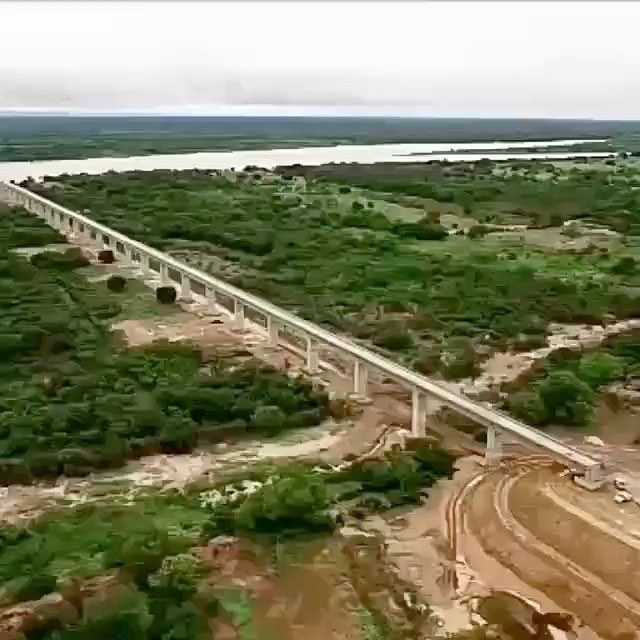
Kenya resumes construction of a railway that will provide landlocked Uganda with access to the sea via the Indian Ocean.



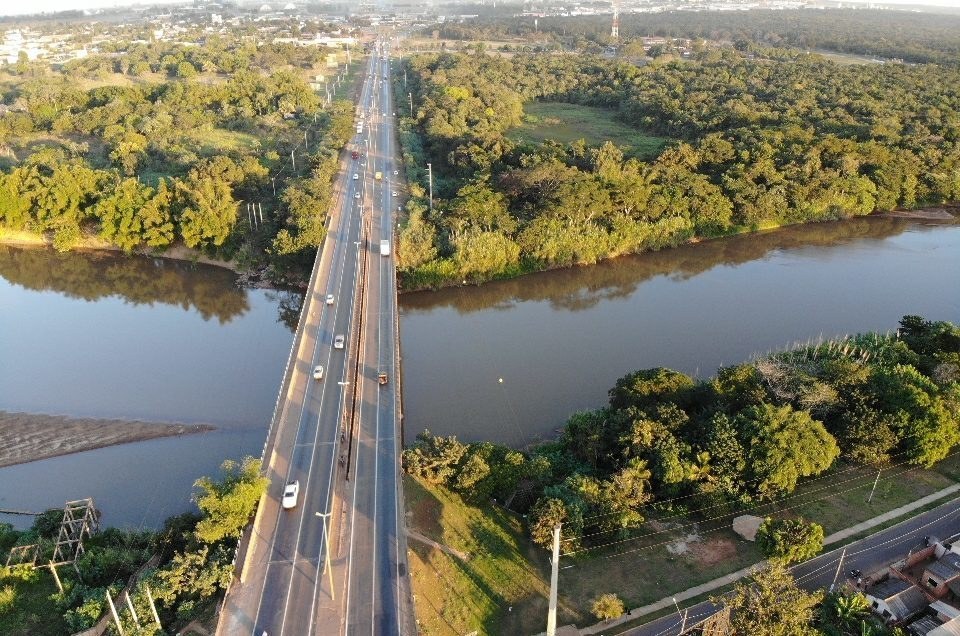
I confess that we often underestimate the impact this has on people’s lives. Reducing travel time means more time at home with family, less fatigue, less spending on fuel, and more ease in working and studying. The Bridge of the Future carries precisely this promise, to give back time and quality of life to a population that today suffers from a long and exhausting journey.
More than asphalt and concrete
A bridge is much more than a concrete and steel structure over water. It is a vector of development. By connecting regions that were previously separated, the project facilitates commerce, attracts investments, and opens up job opportunities. Cities and neighborhoods that were isolated suddenly connect to the rest of the region, gaining movement, services, and prospects that did not exist before.
That’s why projects like the Bridge of the Future are so eagerly awaited by the population. They represent not only an improvement in traffic but the promise of progress for an entire area. Each meter constructed brings the region closer to a future with more integration and more opportunities, showing how a single infrastructure project can impact the economy and the lives of many people at once.
It is worth remembering that in Brazil, infrastructure projects like this often carry the weight of waiting. Bridges, roads, and viaducts in the country often take years longer than expected, encountering budget, licensing, and management issues. Therefore, seeing the Bridge of the Future actually advancing has a value that goes beyond engineering: it is proof that an important project can come off the drawing board and deliver on its promises. For a population that has often been frustrated with stalled projects and missed deadlines, witnessing the real progress of a bridge costing nearly half a billion reais is a relief, and renews the hope that the long-awaited improvement in transportation will indeed arrive.
The engineering behind the project
Building a bridge costing nearly half a billion reais is a challenge of engineering and patience. It requires erecting firm foundations, often within water, launching the structure with precision, and ensuring that everything withstands the weight of traffic and the passage of time for decades. Each stage requires calculation, coordination of teams, and heavy machinery working in sync, in an effort that lasts years.
Following the progress of such a project is to see engineering turning a dream into reality, span by span. The Bridge of the Future needs to be robust enough to serve generations, and each completed phase is a victory against technical challenges and time. When the structure is finally ready, few who cross it will imagine the amount of work that was necessary to build it.
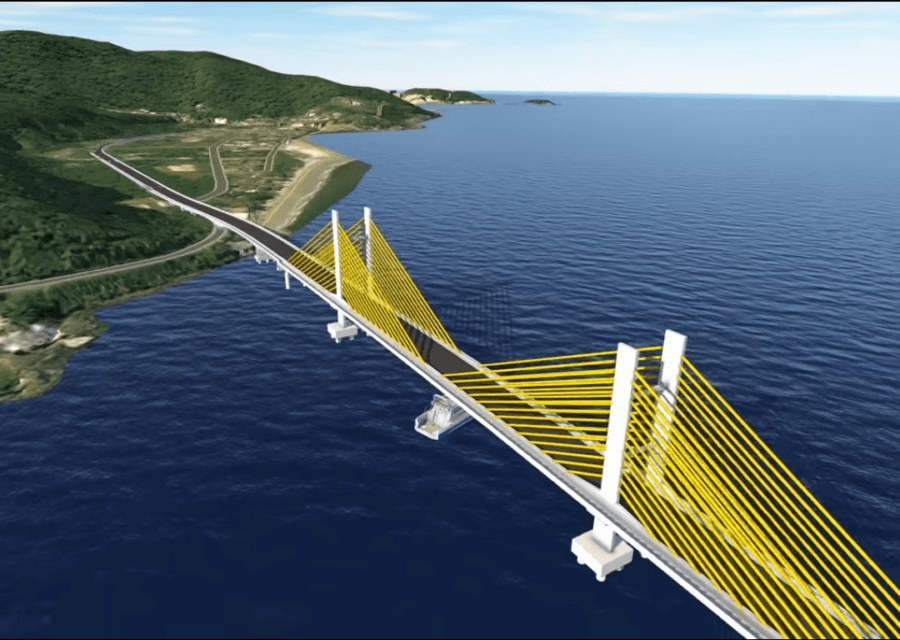
The future arriving span by span
I imagine the relief of those living in the region seeing the Bridge of the Future finally taking shape, knowing that soon that long and tiring journey will become a quick and smooth crossing. It’s the kind of change that doesn’t make headlines every day, but is felt in the lives of every person who gains time and ease in their daily routine.
Projects like this are a reminder that infrastructure, no matter how long and costly, can indeed transform people’s lives. As the Bridge of the Future advances, so does the expectation of a more connected, more prosperous region with a better quality of life. Span by span, it’s the future arriving in the form of concrete over water, promising to shorten paths and open new horizons for those who, for too long, have lived without a decent connection between the two banks.
Have you ever felt firsthand how a well-built bridge can completely change the daily life of a region?




Be the first to react!