Portuguese
  Spanish



After GNV Received a 39% Increase from Petrobras, Consumers Found a “New” Option to Fuel Their Vehicles: Biogas (GNC), Which Lasts Longer and Is Even Cheaper
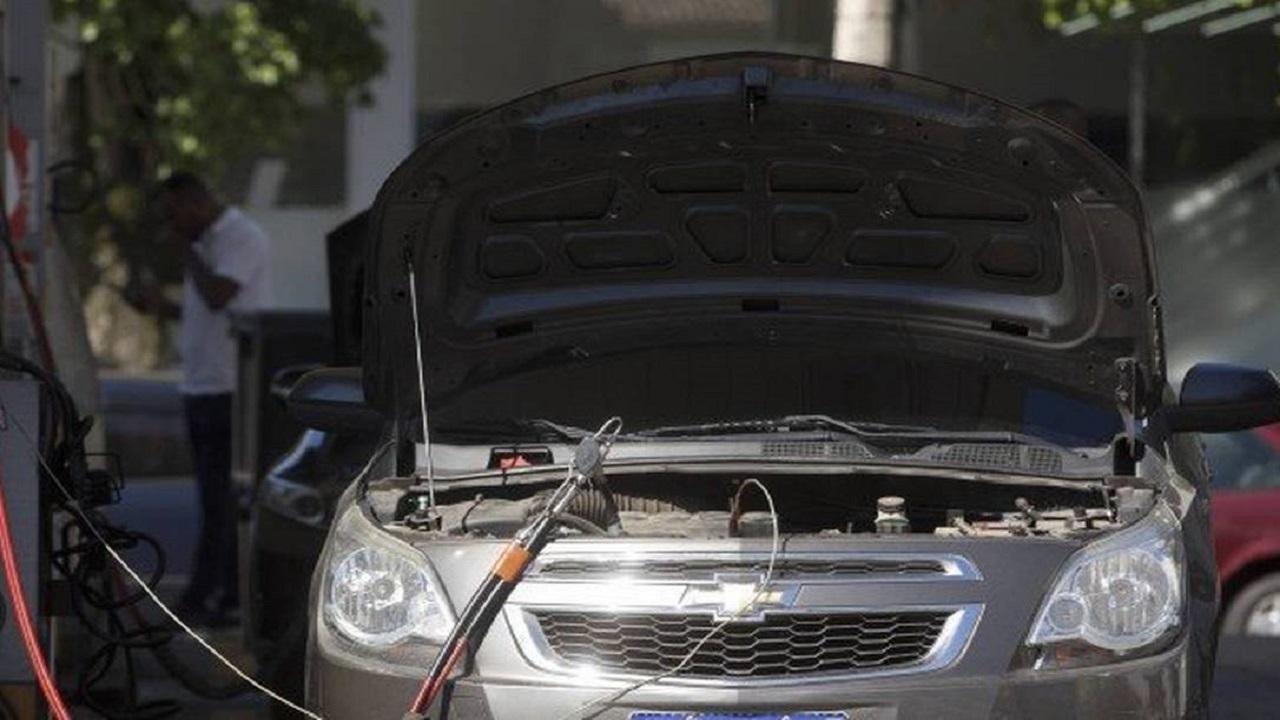
To escape the high prices of gasoline, diesel, and ethanol, consumers were turning to the use of Compressed Natural Gas (GNV), but even this fuel has become expensive, now having biogas (GNC) as an alternative.
Also Read
Increase in GNV Affects Consumers’ Wallets
In April, Petrobras announced a 39% increase in GNV for distributors. The final price for consumers in May, according to the National Agency of Petroleum, Natural Gas, and Biofuels (ANP), reached R$ 4.199 at some locations in Rio de Janeiro. Therefore, although it is not an updated solution, biogas (GNC) is gaining popularity for providing more mileage in vehicles and still being cheaper for consumers.
Glauber dos Santos, 32, an app driver, states that he began using biogas on the recommendation of colleagues who used it in their vehicles. According to him, who owns a 1.0 car, with an 8m³ cylinder, he can travel 120 kilometers with a full GNV tank, while with GNC he can travel 150 kilometers.
-
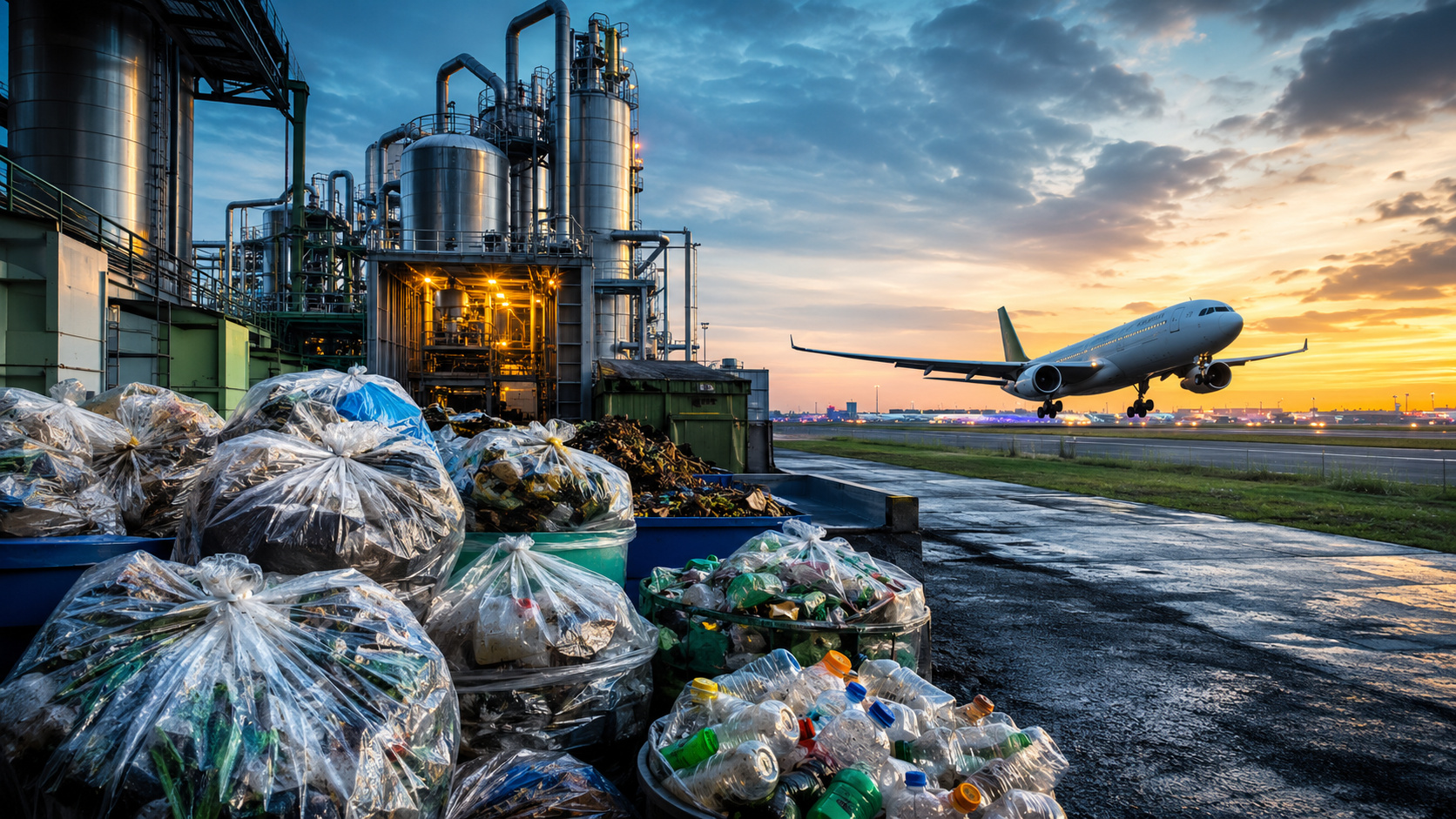
Qantas and Airbus Invest in Company Aiming to Convert Unsorted Household Trash into Jet Fuel

-
Brazil’s ANP Opens 86 New Oil Blocks in the Equatorial Margin, Expanding the Amazon River Mouth Frontier

-
OPEC+ Boosts Oil Supply by 188,000 Barrels per Day in July 2026, Leading to Price Drop from $112 to $89 per Barrel in Under Two Months

-
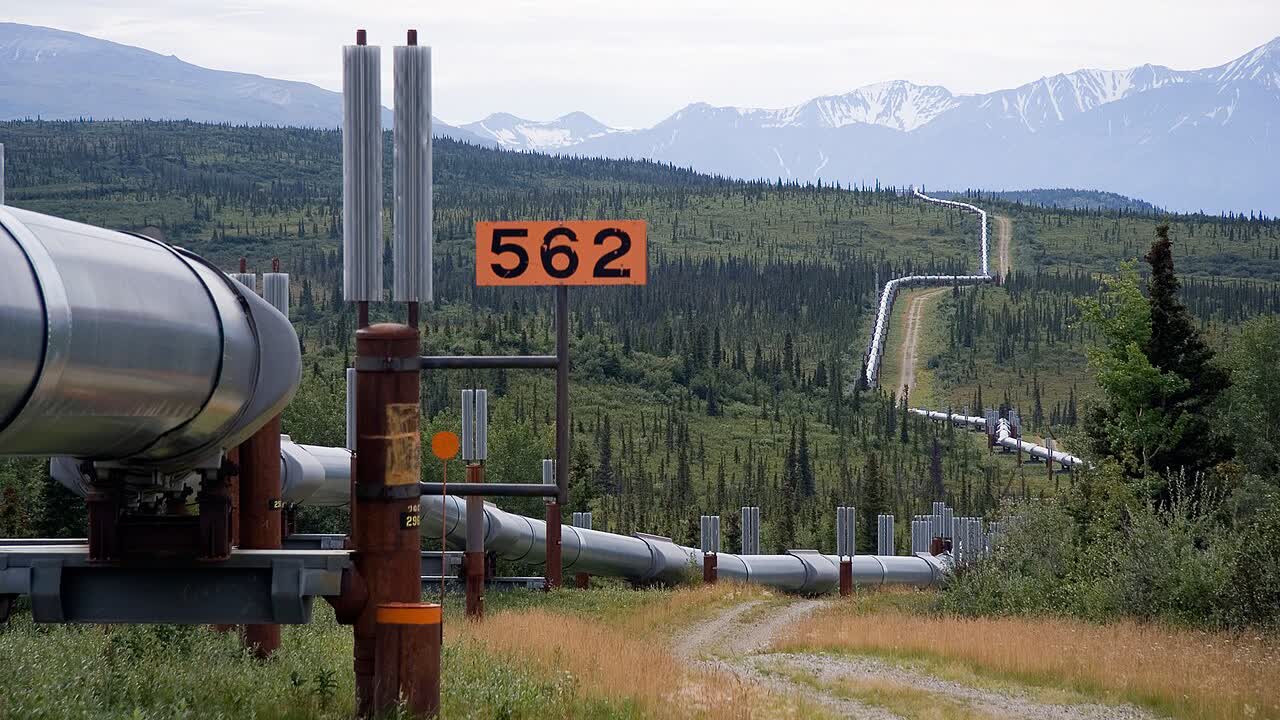
TotalEnergies Signs 20-Year Deal to Purchase 2 Million Tons of LNG from Alaska, Boosting Project Viability

The Voice of an Expert and the Possible Expansion of Biogas – GNC
According to Jorge Mathuiy, commercial director of the cylinder industry MAT, while GNV may come from petroleum-related sources, for example, GNC has similar characteristics, but it is extracted from organic materials that come from landfills, sugarcane bagasse, and compost.
After being extracted, GNC is put into a truck and taken directly to consumers. Mathuiy states that currently, about ten gas stations in Rio offer this type of fuel, but there should be significant growth by the end of the year, given that it has a cheaper acquisition cost and is completely safe.
The Biogas (GNC) and Its Advantages for Consumers
Wallace Reis, a owner of six gas stations in Rio de Janeiro, states that he started offering biogas about a year ago due to its high efficiency. He says that many customers do not even realize they are fueling with biogas, as the process is similar to that of GNV. He states that customers always return after noticing the results in their vehicles.
Another great benefit of biogas is its greater safety. Because it is lighter than air, in case of a leak, the gas dissipates easily, which reduces the risk of explosions or fires. While gasoline ignites at 300ºC and alcohol at 200ºC, biogas ignites at a temperature above 620ºC.