Portuguese
  Spanish




Copel and Army Launch Energy Efficiency Project in 25 Military Units in Paraná, with R$ 8 Million in Investments, Electrical Modernization, and Installation of Solar Plants to Increase Energy Savings and Reduce Public Costs.
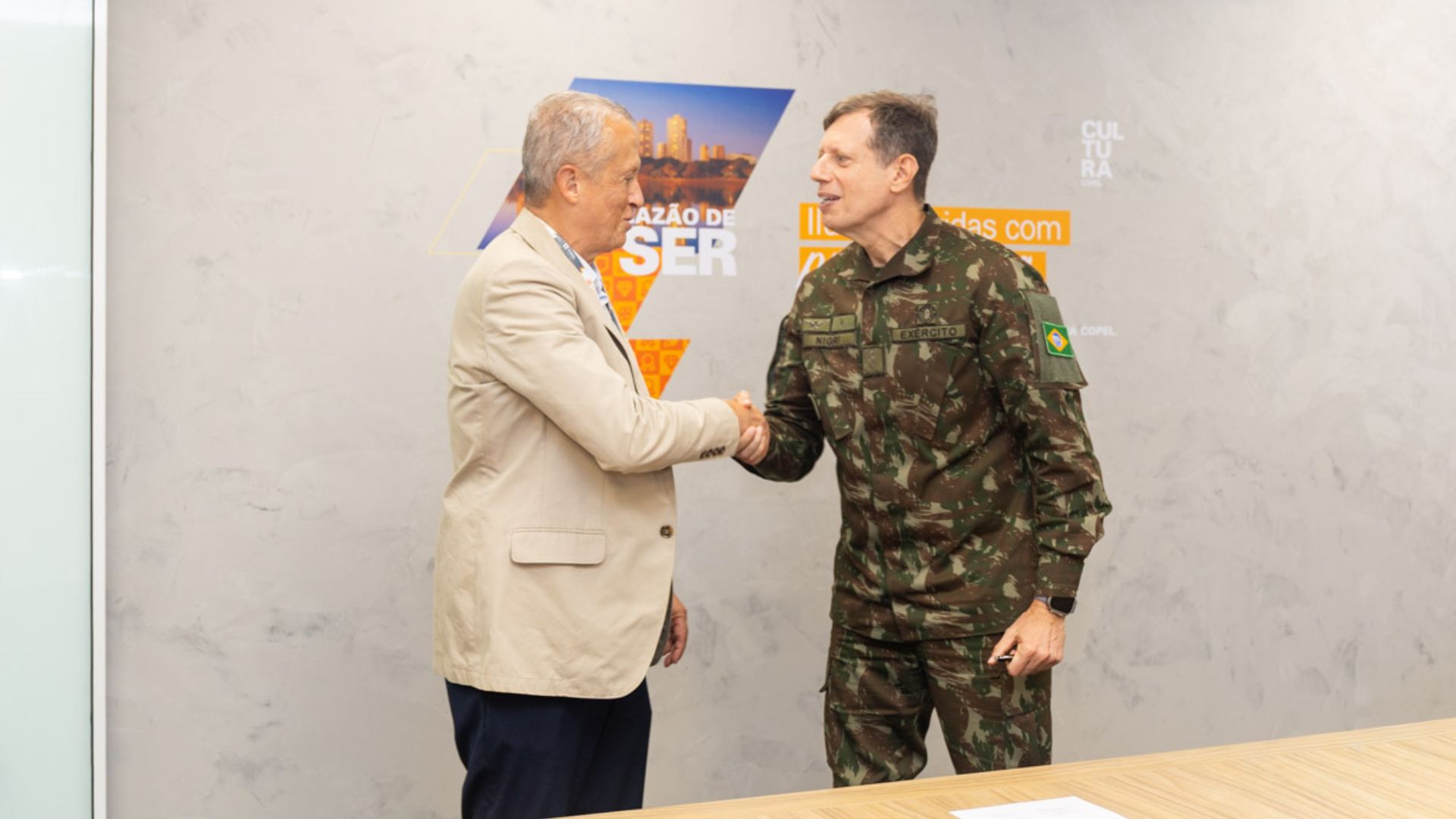
Copel and Army establish unprecedented partnership to save energy and install solar plants in 25 military organizations with energy efficiency and R$ 8 million in investments. According to an official publication from the Government of Paraná, the technical cooperation agreement was signed on Wednesday (11) and is part of the Energy Efficiency Program (PEE), regulated by the National Electric Energy Agency (Aneel).
The initiative involves replacing old equipment with more efficient models and installing photovoltaic generation systems. In total, more than 4,000 lighting points will be modernized, over 200 air conditioning units will be replaced, and 18 solar plants with an approximate capacity of 2 megawatts-peak (MWp) will be installed. The estimated investment is around R$ 8 million.
Copel and Army Join Forces for Energy Savings and Sustainable Investments
The expectation is to reduce costs, increase energy efficiency, and strengthen the use of renewable sources in military organizations. Furthermore, the partnership enhances the commitment to sustainability and good management of public resources. The partnership between Copel and the Army represents a concrete action within the Energy Efficiency Program. Regulated by Aneel, the PEE encourages projects that promote sustainability, technological innovation, and waste reduction in the electric sector.
-
World’s Largest Engie Solar Plant in Brazil Highlights Billion-Dollar Energy Waste Issue: Company Considers Batteries and Bitcoin Mining to Avoid Wasting Production

-
Over 60 Tractors Take to the Streets in Lopera as Solar Parks Compete with Olive Groves, Affecting 13,000 to 100,000 Trees According to Conflicting Reports

-
Brazil’s Vitória Airport to Launch Solar Plant Covering Area of 10 Soccer Fields, Boosting Clean Energy and Cutting Costs
-
Switzerland Converts Train Tracks into Solar Power Plants with Removable Panels to Generate Energy Without Using Additional Land


In this case, the focus is clear: promote energy savings, reduce environmental impact, and optimize public resources through the installation of solar plants and modernization of equipment. The projected investments of R$ 8 million will be applied strategically, covering 25 military organizations distributed across ten cities in Paraná and also in the municipality of Porto União, Santa Catarina.
The beneficiary cities in Paraná are Apucarana, Cascavel, Castro, Curitiba, Foz do Iguaçu, Francisco Beltrão, Guaíra, Lapa, Palmas, and Ponta Grossa. Thus, practically all military organizations served by Copel in Paraná will be included in the project. This is an unprecedented initiative within the Brazilian Armed Forces. The technical cooperation reinforces the role of energy concessionaires in promoting energy efficiency in public institutions.


Unprecedented Partnership Expands Energy Savings with Solar Plants in the Army
During the signing ceremony, the general of the 5th Army Division, Ricardo José Nigri, emphasized the innovative nature of the initiative. According to him, there is no record of a similar action in the Navy or Air Force.
The Brazilian Army incurs an annual cost exceeding R$ 200 million for electricity. Therefore, the energy savings provided by the agreement is expected to generate a significant impact on the institution’s budget. According to the general, the saved resources could be directed towards operational activities, such as the preparation of ground forces.
Every real saved in energy can be converted into greater operational readiness. This logic demonstrates that energy efficiency is not only an environmental issue but also strategic.
Moreover, the installation of solar plants helps to reduce dependence on energy concessionaires, strengthening the autonomy of military units over time.
Electrical Modernization and Installation of Solar Plants Strengthen Energy Efficiency
The agreement between Copel and the Army involves significant structural actions. Among them, the replacement of more than 4,000 lighting points with more efficient models and the exchange of over 200 air conditioning units. These measures reduce consumption and increase the energy performance of the facilities.
Simultaneously, 18 solar plants with a total capacity of approximately 2 MWp will be implemented. This distributed generation capacity helps compensate a portion of the consumption of the units served. Consequently, energy savings will be expanded sustainably.
Currently, military organizations are being visited to identify additional energy efficiency opportunities. The technical study has already been completed in four units. Now, teams are validating the recommendations made previously by the Army in partnership with Copel.
The forecast is that all work will be completed by early 2028. Thus, the schedule ensures adequate planning and gradual execution of the proposed improvements.

Copel’s Investments in Energy Efficiency Exceed R$ 181 Million
The partnership with the Army is part of a broader set of investments made by Copel under the PEE. Currently, the company is executing more than 70 projects, totaling approximately R$ 181 million in resources aimed at energy efficiency.
Among the ongoing initiatives, highlight public lighting projects, industrial projects, actions targeted at hospitals and assistance entities, as well as specific programs in public schools. There are also investments directed towards university hospitals of four public universities in Paraná.
These figures demonstrate that energy savings are a strategic priority for the company. Furthermore, they show that investments in energy efficiency are distributed across different sectors of society, amplifying the program’s benefits. Energy efficiency generates economic, environmental, and social impact simultaneously.

Energy Efficiency Program Encourages Energy Savings and Solar Plants
The Energy Efficiency Program, regulated by Aneel, requires distributors to allocate part of their net operating revenue to projects that promote the rational use of electricity. Thus, the PEE stimulates the adoption of modern technologies and sustainable practices.
In the case of the partnership between Copel and the Army, the application of resources is aligned with the program’s principles. The installation of solar plants, for example, represents a concrete solution to reduce waste and encourage renewable generation.
Moreover, the replacement of old equipment decreases failures, reduces the need for constant maintenance, and improves the quality of installations. In this way, energy savings are achieved through both reduced consumption and technological modernization. The energy transition depends on structured planning and investments. And the PEE consolidates as an important tool in this process.
Strategic Impact of Investments in Solar Plants and Energy Efficiency
The implementation of solar plants in military organizations strengthens the commitment to renewable sources. Although the installed capacity is directed towards the specific units of the project, it helps reduce demand on the conventional grid.
At the same time, the investments reinforce the importance of public policies focused on sustainability. The energy savings obtained in the 25 military organizations could represent a significant reduction in operational costs over the years.
Another relevant point is the multiplier effect of the initiative. Successful projects tend to serve as models for other public institutions. Therefore, the partnership between Copel and the Army can inspire new similar cooperations in the future.
Energy efficiency is responsible management of public resources. And, in this context, the modernization of military installations represents a significant institutional advancement.
A Milestone for Sustainability in the Brazilian Public Sector
The signing of the agreement on February 11, 2026, consolidates a strategic initiative in the public sector. Copel and Army join efforts to promote energy savings, implement solar plants, and invest R$ 8 million in sustainable projects.
The project includes electrical modernization, renewable generation, and reduction of operational expenses. Moreover, it integrates a program regulated by Aneel that has already accumulated R$ 181 million in projects conducted by the company.
The partnership is considered unprecedented within the Armed Forces. The saved resources could strengthen the Army’s operational capacity while enhancing the energy efficiency of the installations.
In this scenario, the cooperation between Copel and the Army demonstrates that innovation, fiscal responsibility, and environmental commitment can work together. Thus, the project not only reduces costs but also reinforces the importance of structured energy efficiency policies and the expansion of solar plants in Brazil.