






 Portuguese
  Spanish
  3 min of reading
  0 comments


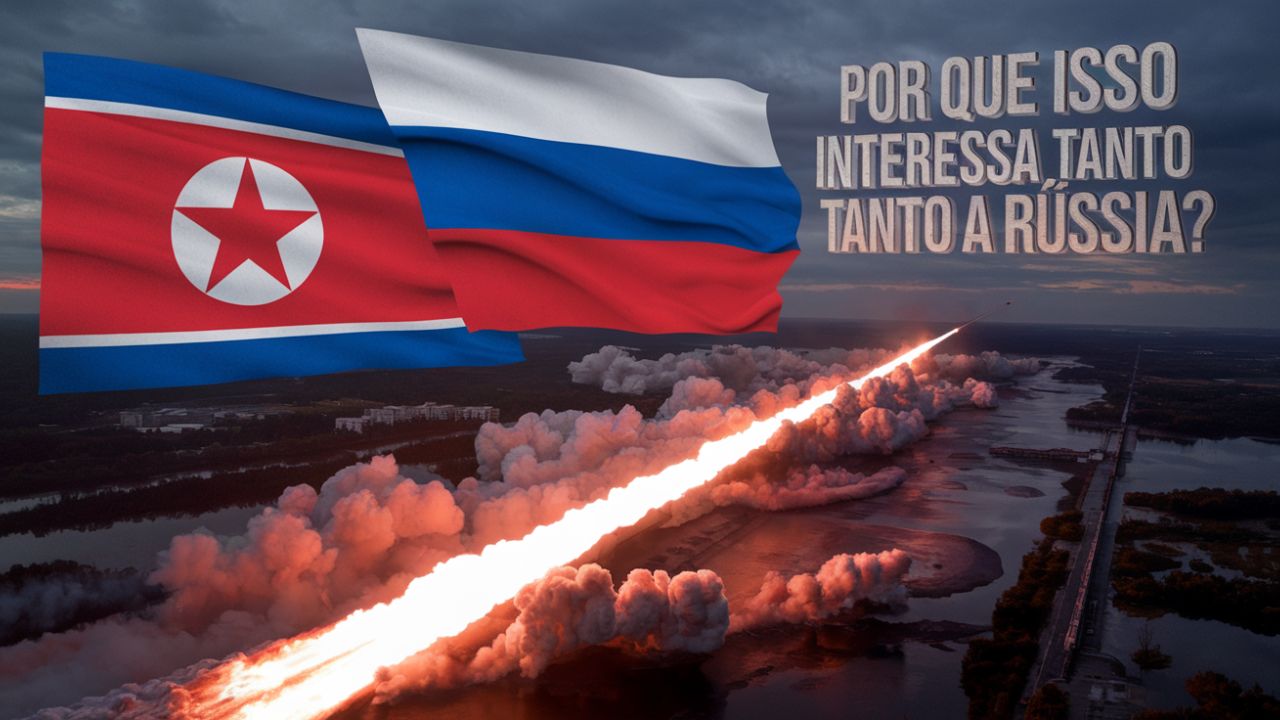
Capable of Reaching Speeds of Mach 12, North Korea’s New Hypersonic Missile Challenges Global Defenses and Strengthens Its Strategic Alliance with Russia, Revealing a New Era of Military and Geopolitical Tension.
Recently, North Korea conducted another test with a hypersonic missile, drawing worldwide attention. But what makes this news even more intriguing is Vladimir Putin’s growing interest in this military advancement. Why is Russia so involved in this issue? To understand, we need to explore what these weapons are, North Korea’s intentions, and Russia’s interests.
What Are Hypersonic Missiles and Why Do They Matter?
Hypersonic missiles are the new generation of military weapons. With speeds exceeding Mach 5 (five times the speed of sound), they are nearly impossible to intercept by current defense systems. There are two main types: hypersonic glide vehicles (HGVs), which glide in the upper atmosphere after being launched, and hypersonic cruise missiles (HCMs), equipped with scramjet engines.
The distinctiveness of these weapons lies in the combination of extreme speed and maneuverability, allowing for unpredictable and precise strikes. They can be equipped with nuclear or conventional warheads, which elevates their threat level.
-
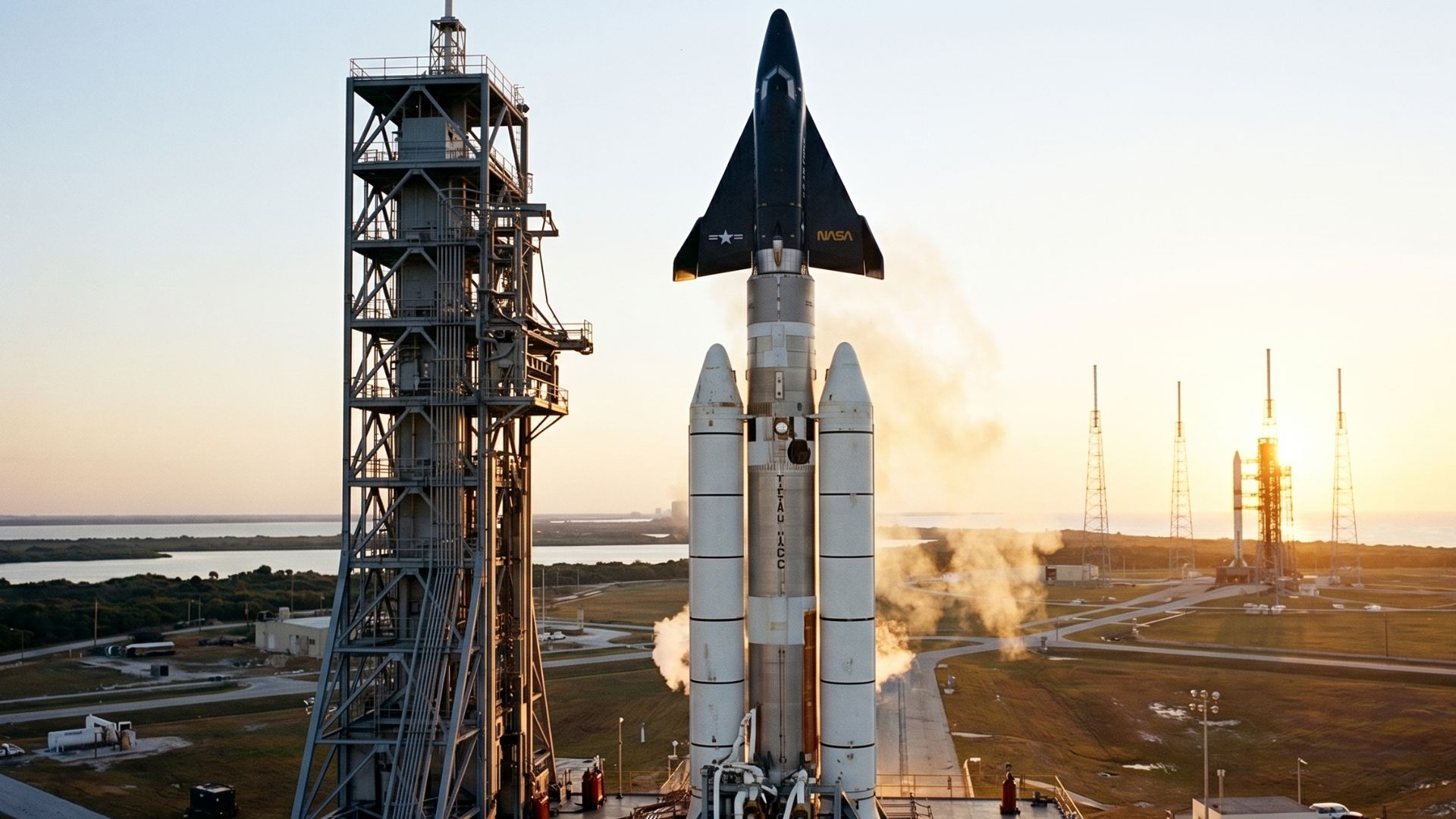
The military spaceplane that almost took the Cold War into orbit: Boeing X-20 Dyna-Soar was designed to re-enter above Mach 20, fly for up to 40 hours, land like a plane, and transform Titan rockets into a gateway to a new era of orbital warfare.

-
FAB bets on national drones and increases investments to strengthen the Brazilian aerospace industry

-
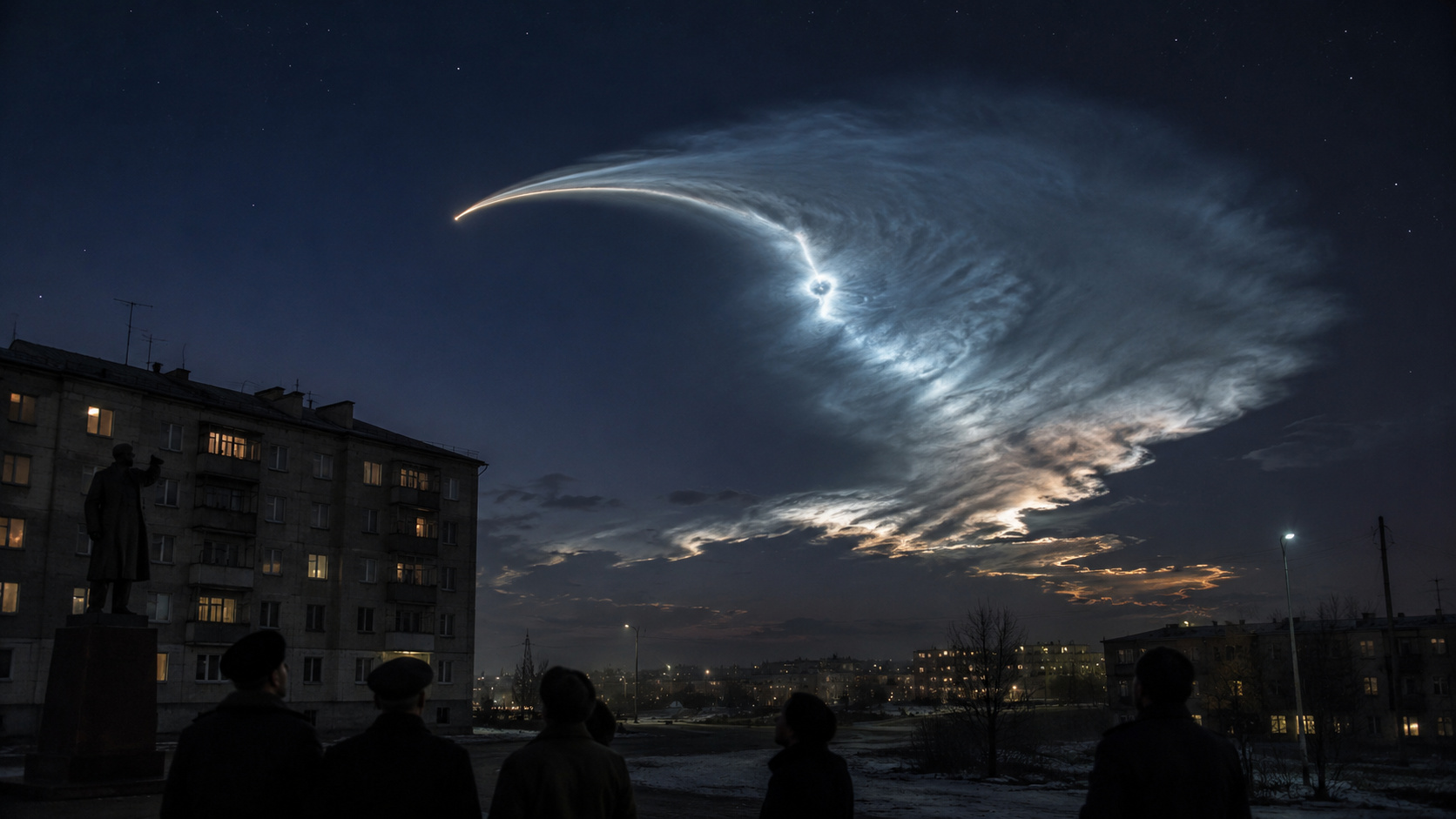
Six times, a luminous crescent the size of the Moon startled the Soviet sky at dusk: it seemed like a wave of UFOs, but it was a secret orbital weapon created to attack the United States via the South Pole and evade Cold War radars.

-
The United States government approved a potential sale of 100 portable Stinger anti-aircraft missiles to the Brazilian Army, in a package estimated at around 330 million dollars that still depends on negotiations between the two countries.


The Evolution of North Korea’s Missile Program

North Korea has been heavily investing in the development of hypersonic missiles since 2021. The most recent test, in January 2025, used a medium-range missile that reportedly reached an impressive speed of Mach 12, according to North Korean sources. Although countries like Japan and South Korea question the reported figures, the test is a clear demonstration that Kim Jong-un’s regime is determined to lead in the field of hypersonic weapons.
This advancement also carries a strong symbolic component. The test was conducted during US Secretary of State Antony Blinken’s visit to Asia and just days before Donald Trump’s inauguration for his second term as president. Coincidence? Hardly.
North Korea’s Motivations for Developing Hypersonic Weapons
Why is North Korea so committed to creating these weapons? The reasons are multiple:
Nuclear Deterrence: Ensure the capability for retaliation against any attack, especially from the US and allies.
Military Balance: Compensate for the technological and military disparity with South Korea and the United States.
Diplomatic Leverage: Use tests as a way to send strategic messages during important international events.
Internal Propaganda: Reinforce Kim Jong-un’s image as a defender of sovereignty and visionary leader.
The Role of Russia in North Korea’s Advancement
Russia plays a crucial role in this context. Moscow has provided technical and strategic support to North Korea, not only as a way to challenge the US but also to test new technologies and tactics. Putin sees this collaboration as an opportunity to expand his geopolitical influence.
The partnership between North Korea and Russia brings advantages for both sides. While Pyongyang gains access to advanced technologies, such as heat-resistant materials and scramjet engines, Moscow benefits from North Korea’s expertise in economic solutions and large-scale production. The alliance strengthens Putin’s narrative of a multipolar world, challenging the West-led order.
Global Implications of the North Korean Test
North Korea’s advancement in hypersonic missiles has profound implications. It not only threatens to destabilize the Asia-Pacific region but also triggers a global arms race. Countries like Japan and South Korea are already ramping up their defenses, while the US is reassessing its strategies to deal with this new threat.
The recent hypersonic missile test by North Korea, coupled with Russia’s strategic support, demonstrates how unexpected alliances can shape the future of global security. With such advanced and hard-to-intercept weapons, the balance of power is in constant flux. The question now is: will the world be prepared to deal with these new threats?





Be the first to react!