Portuguese
  Spanish



Budget Cuts to Defense Projects Affect the Army, Navy, and Air Force and Caused Discontent Among the High Command of the Armed Forces
The defense ministry will have its smallest budget in 15 years next year; it has not been projected such low values since 2005, and precisely at a time when the military believed that the political space in the Bolsonaro government would be used to their advantage.
Defense projects were not considered strategic for the country and will face a 35% cut for next year, which caused discontent among members of the high command of the Armed Forces. Embraer sold the same aircraft to Portugal that it manufactured for the Brazilian Air Force.
The defense budget forecast for next year is R$ 73 billion, the lowest amount since 2005 when R$ 69.9 billion was allocated (adjusted for inflation).
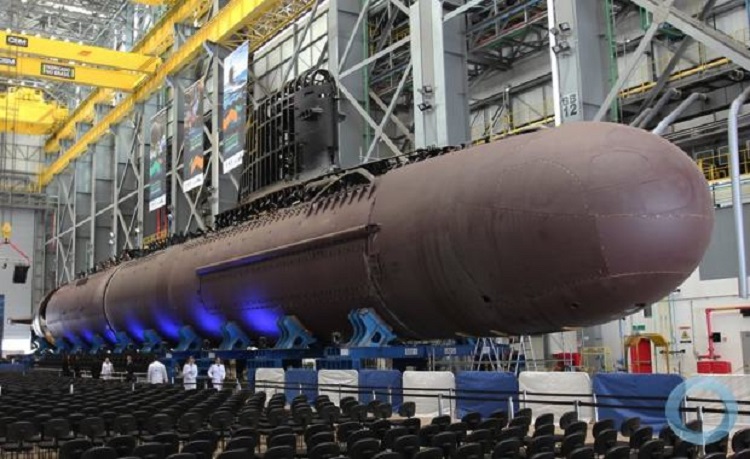
Among the most affected by the cuts are the Navy’s submarine program, the Army’s armored vehicle development, and the acquisition of fighters by the Brazilian Air Force (FAB).
-
Over 2,000 Tons of Discarded Fishing Nets Since 2020 Repurposed into Durable Caps, Fins, and Parts

-
Seals and Sea Lions Lose Habitat and Food as Climate Change Advances, Impacting Ice, Prey, and Coastal Communities

-
Brazilian Innovator Uses 3D-Printed Device to Cool Two Rooms with One Air Conditioner
-
China Uses 432 Robots to Move a 7,500-Ton Historic Building in Shanghai, Preserving Architecture While Creating Space for Underground Center


Some generals were already expecting the cut due to the country’s overall budget situation, but the reduction was beyond what was anticipated, with some of them complaining about the lack of recognition from the government regarding emergency actions taken in the cases of the dam collapse in Brumadinho, Minas Gerais, and the wildfires in the Amazon, when the immediate work of the forces was necessary to prevent greater damages and rescue survivors.
The government reviewed six projects considered strategic by the Ministry of Defense: Guarani (armored vehicle production); FX-2 (development and purchase of fighters for FAB); Army Border Monitoring System; Submarine Development Program (Prosub); KC-390 (development and acquisition of cargo aircraft); and the Proteger system for the security of critical infrastructures such as bridges and highways.
The Most Affected
In the Army, the most affected project was the Guarani, which started in 2012 and is an armored vehicle designed to replace the old Urutus. Of the 1,580 units ordered, 300 have been delivered. The initial schedule projected spending of R$ 19 billion between 2012 and 2031.
In the Navy, PROSUB faced a 18% cut and is already at least two years behind schedule. When it began in 2008, the project had a total budget of R$ 27 billion and planned for the construction of a shipyard and five submarines, four conventional and one nuclear.
The work is being carried out by a consortium between a French company and a subsidiary of Odebrecht at the ICN shipyard in Itaguaí, RJ. The contract is under investigation by Operation Lava Jato.
In the Air Force, the cut was even more pronounced, with 52% of the FX-2 project removed. The first unit was delivered last week in Sweden, and the other 35 aircraft are expected to be delivered by 2024, but with this cut, it is already uncertain whether the timeline will be met.
Read also! The bombing of the refinery in Saudi Arabia and the implications for Brazil!