Portuguese
  Spanish


With the Cracolândia emptied in downtown São Paulo, data cited by the government indicate a drop from approximately 4,000 people to about 100 in the flow, while more than 39,000 screenings reveal temporary circulation, urban dispersion, and the need for treatment, security, and revitalization of the central São Paulo area urgently.
The Cracolândia is experiencing a new scenario in downtown São Paulo after decades associated with the concentration of people with problematic drug use, trafficking, and urban insecurity. In May 2025, Rua dos Protestantes appeared almost empty, and the public authorities began to treat the former flow as emptied.
According to what changed, according to the data cited in the report, was the visible presence at the most well-known point in the region. The challenge, however, continues in São Paulo: part of the users dispersed to other neighborhoods, while the public authorities try to combine security, treatment, shelter, and urban revitalization.
Downtown São Paulo has a different scenario after the emptying

For more than three decades, Cracolândia was treated as one of the most difficult symbols of the social, health, and security crisis in downtown São Paulo. The region concentrated users, illegal drug trade, circulation of people in vulnerable situations, and a strong impact on the routine of residents and merchants.
-
Volcanic Soils from Destructive Eruptions Turn into Million-Dollar Crops: Ashes Nourish Grapes in Lanzarote, Bananas in the Canary Islands, Blood Oranges on Mount Etna, and Cacti in Mexico, Showcasing How Lava-Formed Lands Sustain Rare Harvests in Seemingly Barren Regions

-
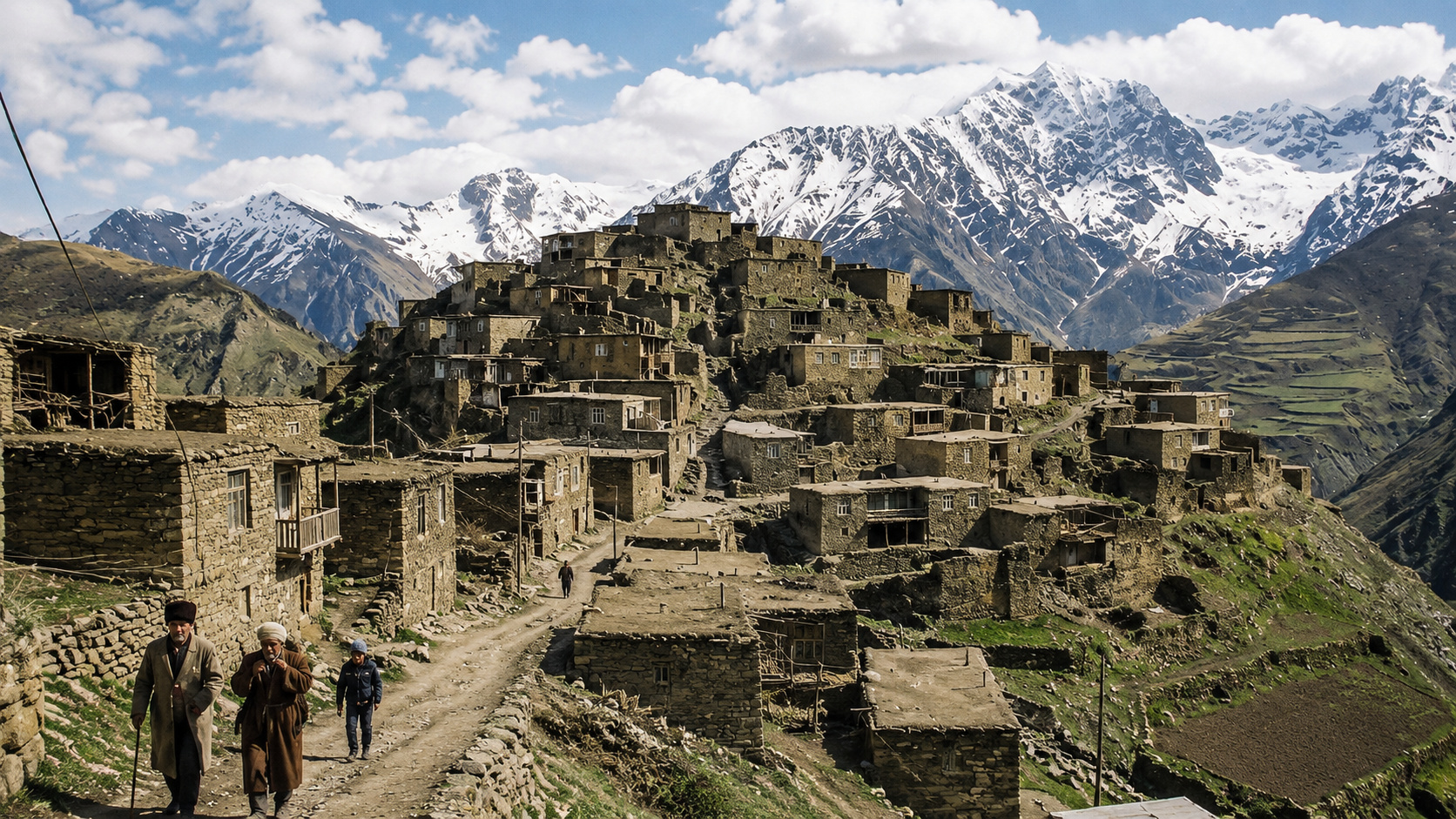
In the Caucasus Mountains, a Community Preserves a Language So Rare Few Outsiders Can Understand It

-
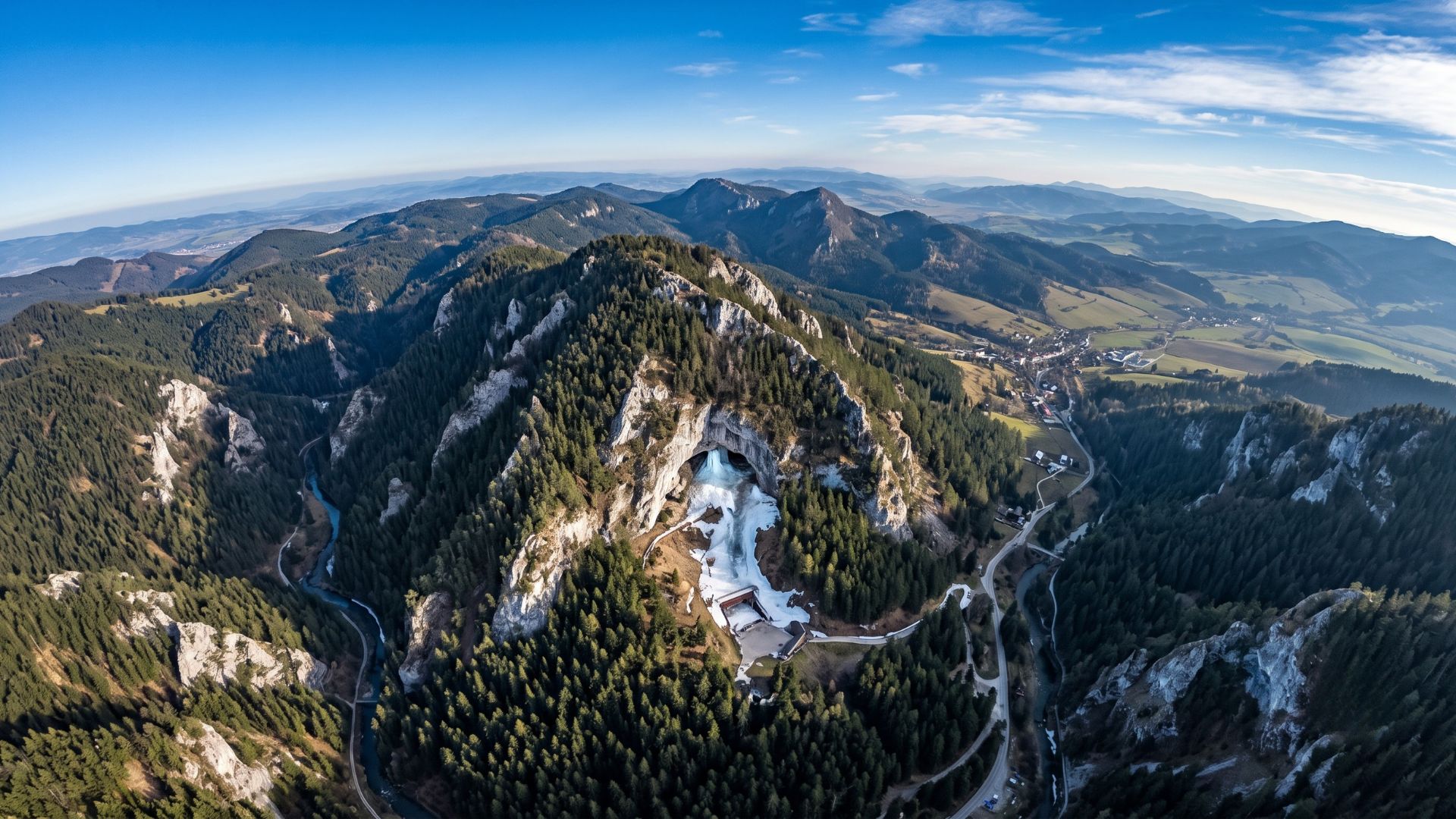
Slovakia’s Ice Cave Holds Over 110,000 m³ of Frozen Wonders, Boasts Walls Up to 27 Meters Thick, and Was Among the First Electrified Caves Globally

-
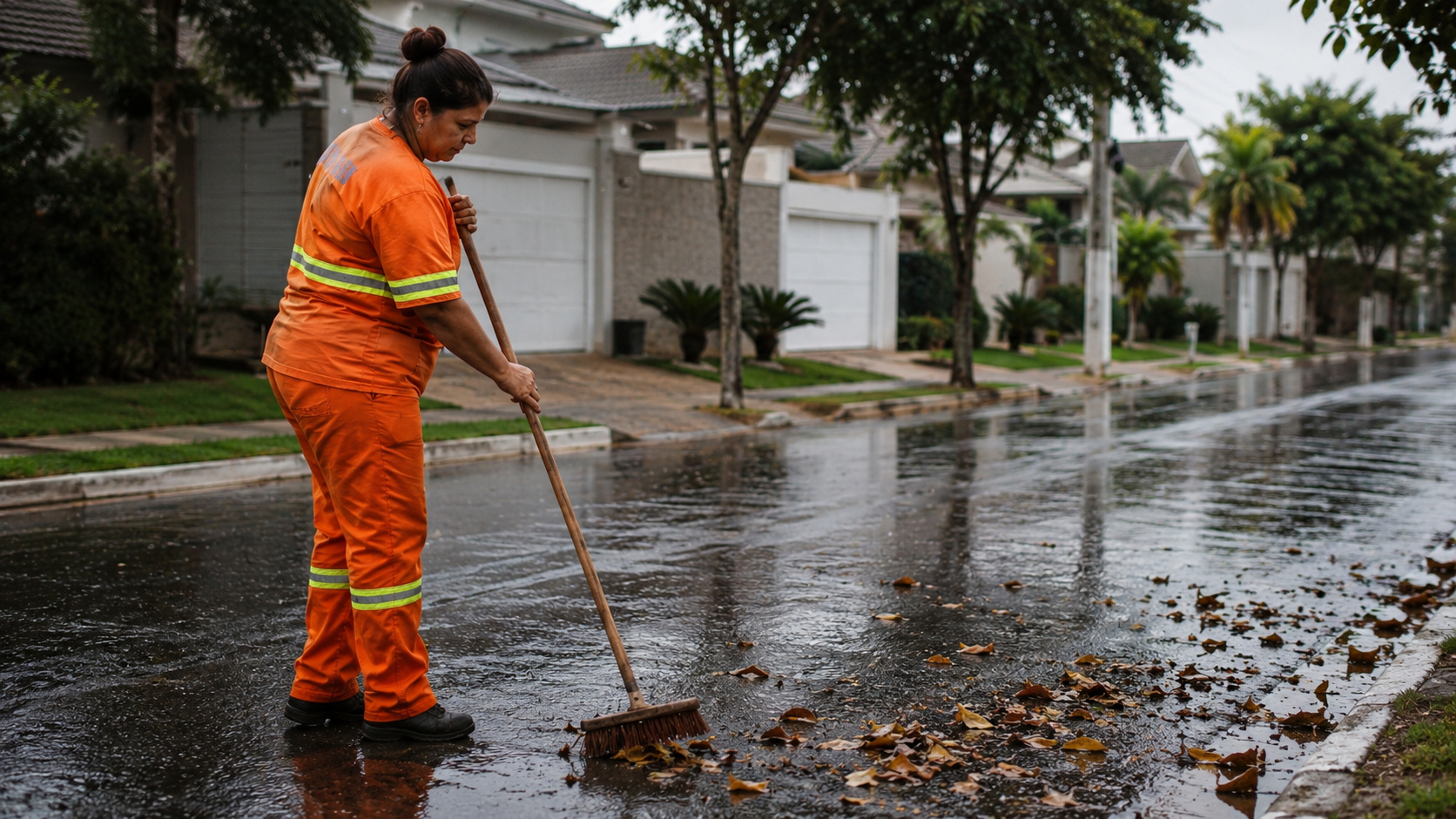
Street Cleaner Accidentally Receives $200,000 Transfer, Returns Unexpected Fortune to Rightful Owner

Now, the visual scenario has changed. The place that once gathered a large flow of people now appears with reduced circulation, which changes the perception of those passing through the area. But an empty street does not mean, by itself, a solved problem, because the issue involves chemical dependency, housing, public health, security, and social reintegration.
Data indicate a drop in flow, but reveal much greater circulation
According to information cited by the government, the number of people concentrated in the location dropped from approximately 4,000 to about 100 in almost 10 years. This data helps explain why the central region now presents a different image from what marked Cracolândia for so long.
At the same time, the care hub data shows a more complex dynamic. Since 2023, more than 39,000 screenings have been recorded, a number much higher than the total number of people who were in the flow at the same time. This indicates that Cracolândia was not formed only by a fixed population, but also by people who temporarily passed through the region.
Government states that the majority of users were transient
According to the vice-governor of São Paulo, about 90% of the people assisted or identified in the context of Cracolândia had a transient presence. That is, they did not necessarily stay every day at the same spot but circulated through the region in search of drugs, shelter, food, or to distance themselves from family and police.
This information changes the understanding of the problem. If most people were just passing through the area, emptying a specific address does not eliminate the demand for treatment and support. It may only shift the crisis to other parts of the city, making monitoring more difficult.
Dispersion to other neighborhoods maintains the social challenge

Reports cited in the article indicate that part of the users spread to different areas of São Paulo, such as Glicério, Marechal, Sé, Barra Funda, and other points of the expanded center. The dispersion reduces visible concentration but can make the problem less localized and harder to monitor.
This displacement also generates new pressure on public services, merchants, residents, and assistance teams. Instead of a single area with a large concentration, the city starts to deal with several smaller points, each with specific health, safety, and social approach needs.
Drop in local crimes does not end the concern with safety
The article reports that records of robberies, thefts, and homicides have decreased in the region previously associated with Cracolândia. For those who work or circulate in the center, this change may represent a greater sense of security and open space for commercial and urban recovery projects.
Still, the improvement in local indicators does not resolve the entire picture. Crime may follow displacements, and the presence of vulnerable people in other areas requires coordinated policies. The central point is to understand whether the drop occurred only at the old address or if it was accompanied by a broader solution.
Revitalization depends on safety, commerce, and urban occupation

With the old flow emptied, there is growing expectation for the revitalization of the central area. Merchants interviewed in the report express hope that customers will return to circulate more freely and that the center will regain some of the economic activity lost over the years.
But revitalizing does not just mean cleaning streets or renovating public spaces. For the change to be lasting, it is necessary to maintain institutional presence, assistance services, lighting, housing, transportation, supervision, and encouragement for regular occupation of the region. Without continuous and safe use, empty areas can degrade again.
Treatment of chemical dependents remains the most sensitive point
One of the strongest accounts in the report comes from a man who lived for more than 10 years in Cracolândia and claims to have found support in a therapeutic house. He appears in the final stage of follow-up, working, studying, and reorganizing his own life.
Cases like this show that chemical dependency is not resolved just with dispersion or policing. Recovery requires time, a support network, specialized care, and continuity. When treatment works, the impact appears not only on the street but also in the family, at work, and in the reconstruction of routine.
Care hub should be expanded to other regions


The report also points out that the care hub, used to receive users and refer them according to each case, should be expanded. The forecast mentioned is for expansion to the interior, with the possibility of a first unit on the southern coast of São Paulo and other regional points thereafter.
This measure indicates that the problem is no longer treated solely as a central capital issue. The circulation of people using crack and other drugs also appears in inland cities, which requires regional and integrated responses between health, social assistance, and public safety.
Cracolândia lost strength at the old address, but the problem continues
An emptied “cracolândia” changed the image of a part of downtown São Paulo and reduced the historical concentration in a specific spot. However, data on screenings, dispersion to other neighborhoods, and the need for treatment show that the public challenge remains.
The case raises a difficult question: when an area stops concentrating users, does it mean real progress or just shifting the problem to other places? Do you think São Paulo is closer to a solution or just changed the crisis map? Share your opinion.