






 Portuguese
  Spanish
  2 min of reading
  0 comments


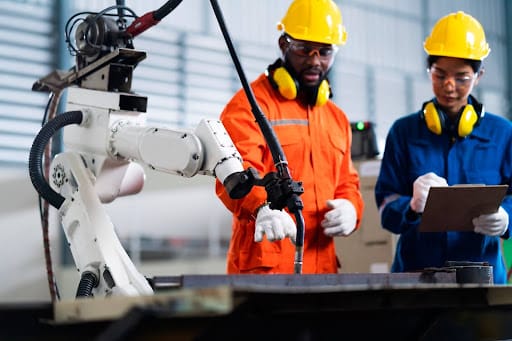
Rise of Intelligent Automation in the Industrial Sector
The Brazilian industrial landscape is undergoing a significant transformation with the increase in investments in intelligent automation. It is estimated that spending in this sector will reach US$ 214 million, a 17% growth compared to the previous year, according to the Brazilian Institute of Corporate Development (IDC). This advancement reflects the growing interest of companies in incorporating technologies that optimize production processes.
The Revolution of Planning Systems
At the forefront of this evolution are systems such as MRP (Manufacturing Resource Planning) and ERP (Enterprise Resource Planning), which revolutionize the planning and management of resources in the industry. MRP allows companies to calculate the necessary quantity of materials in advance, while ERP integrates data from different sectors into a single platform, facilitating business management and expediting decision-making.
Advanced Technologies in Automation
In addition to MRP and ERP systems, industrial automation encompasses technologies such as artificial neural networks (ANN), human-machine interface (HMI), and distributed control systems (DCS). Antonio Edson Pereira, manager of Technologies at Bosch, highlights how artificial intelligence (AI) has improved productivity and efficiency, particularly in reducing errors and inventory planning.
-
With 100 discarded pallets and simple tools, the project creates a 23 m² shelter, recycles wood used in the transport of humanitarian aid, and transforms temporary housing for refugees.

-
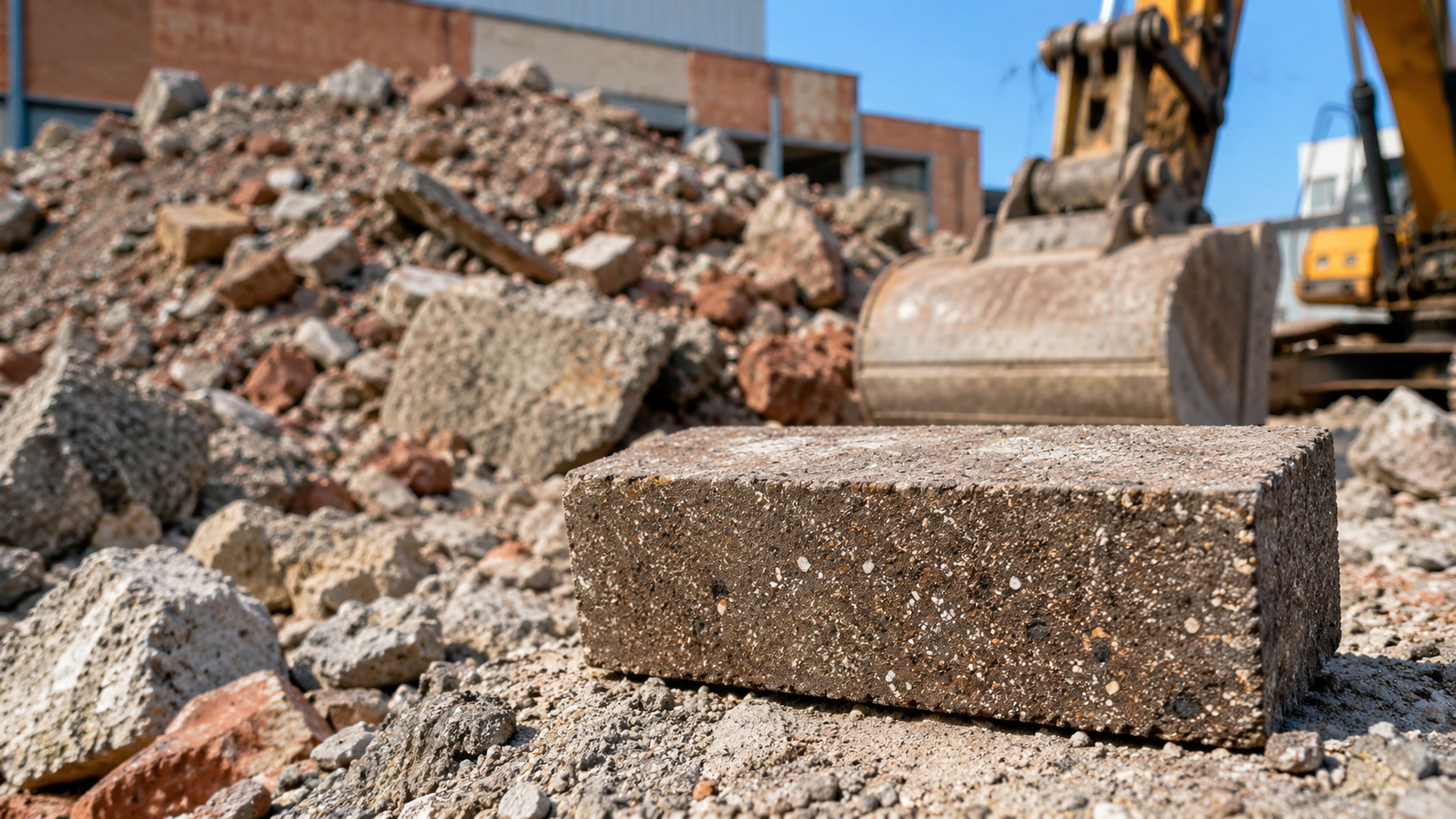
Scotland creates a brick made with over 95% recycled debris, eliminates kiln firing, and attempts to reinvent a piece used in construction for almost a thousand years.
-
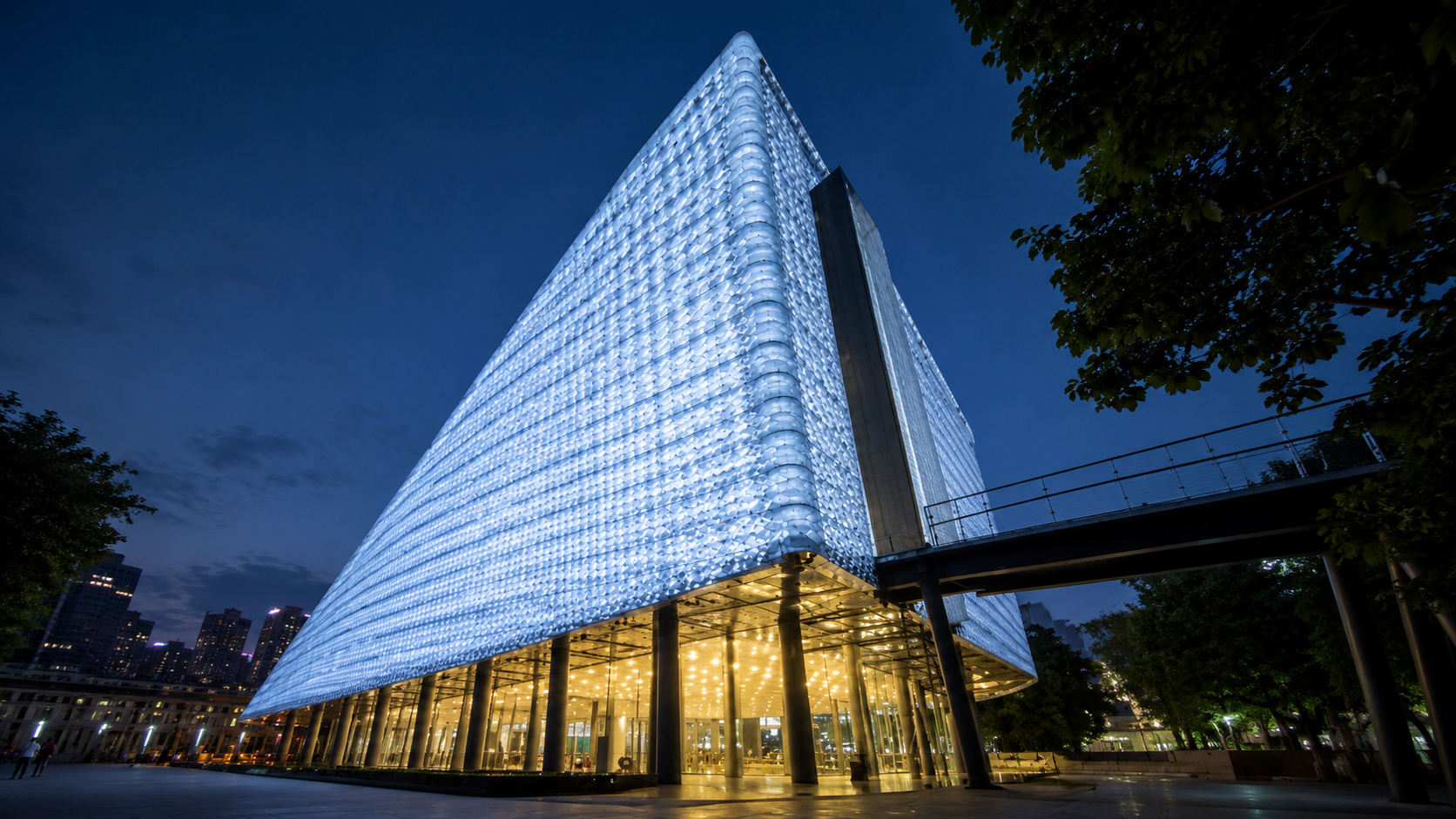
In Taipei, 1.5 million recycled plastic bottles were saved from becoming waste, turned into building blocks, and formed a nine-story pavilion for an international exhibition.
-
Slums in India painted roofs white to cope with 46°C heat, cool down stuffy homes, improve sleep, reduce energy consumption, and even ease the burden on refrigerators.


Industry 5.0: Humans and Machines in Harmony
The concept of Industry 5.0 is gaining traction, characterized by the collaboration between humans and machines. By combining technologies such as IoT (Internet of Things), AI, collaborative robots, and additive manufacturing, the goal is to make manufacturing processes more sustainable and inclusive. Unlike Industry 4.0, which focuses on data collection and automation, Industry 5.0 seeks to integrate the cognitive and creative capabilities of workers with automation.
Integration and Challenges in the Brazilian Sector
Ricardo Janes, Ph.D. in Control and Automation Engineering from USP, emphasizes that automation should involve the integration of all sectors of the industry. However, Brazil still faces challenges in catching up with global leaders in the sector, such as Germany, Japan, and the United States. The need to increase investment in automation is crucial for the evolution of the sector in the country.
Vicente Gongora, education coordinator at the Industry Colleges, points out challenges such as the lack of qualified labor and the high cost of technological investments. He argues that automation should be seen as a tool to increase efficiency and reduce costs, not as a one-size-fits-all solution for all industrial sector problems.
This growth trend in industrial automation in Brazil represents an opportunity to modernize the sector, increase productive efficiency, and position itself competitively in the global market. With the integration of advanced technologies and the collaboration between humans and machines, the Brazilian industry is preparing for a more innovative and sustainable future.
Source: Ana Luiza Faria – expertamedia.





Be the first to react!