Portuguese
  Spanish


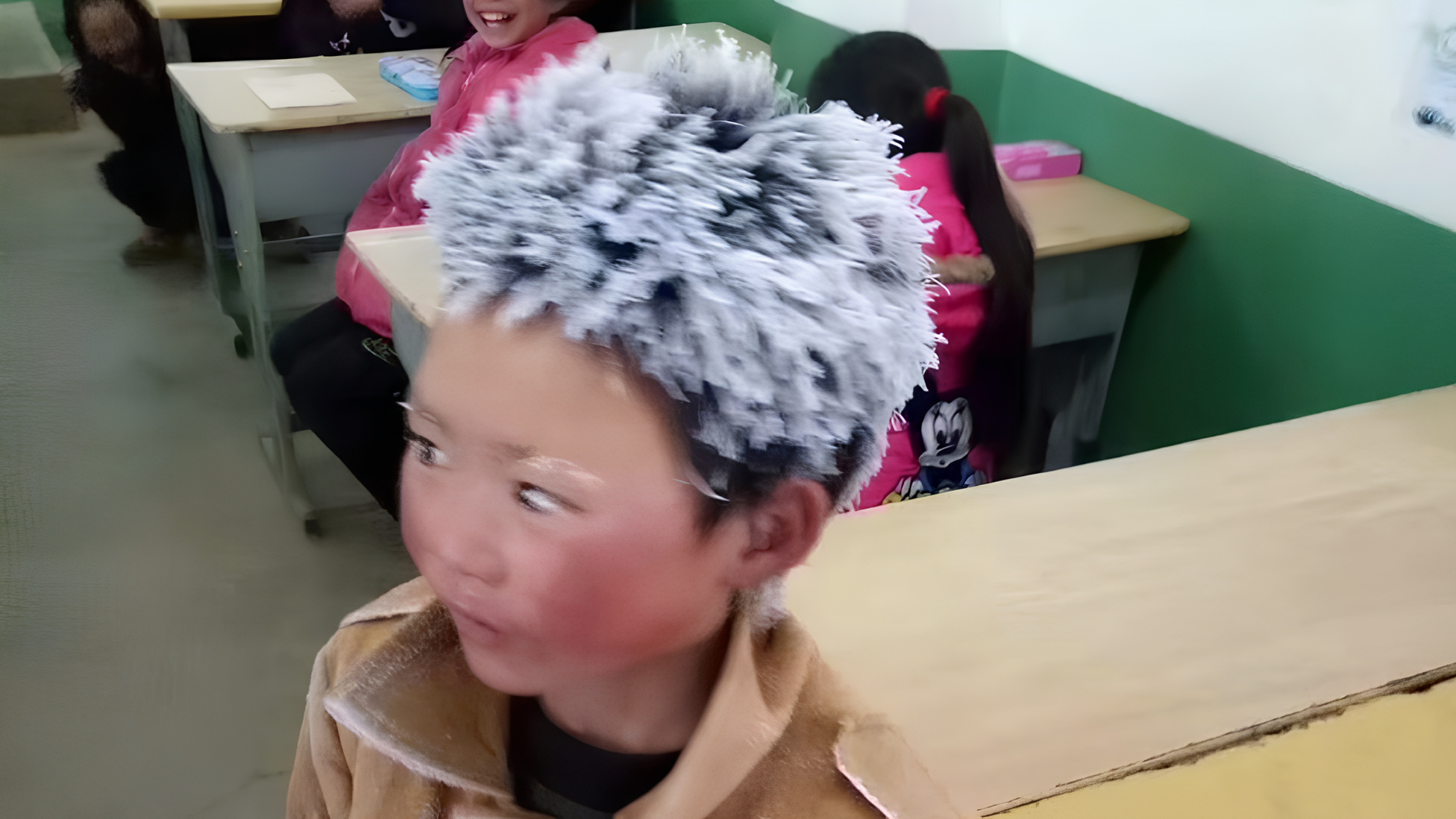


Eight-Year-Old Boy Walks Almost 5 Km in –9°C to Take Test in China, Goes Viral with Frozen Hair and Mobilizes Donations That Improve School Conditions.
In January 2018, the photograph of an eight-year-old Chinese boy, Wang Fuman, a student at Zhuanshanbao Primary School in Yunnan province, southwestern China, made international news and sparked a deep debate about inequality, rural poverty, and the conditions faced by millions of children living in remote areas of the country.
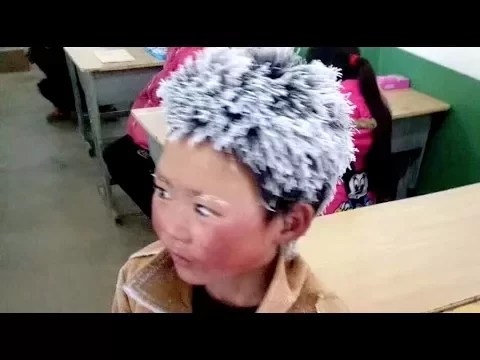
On that day, the temperature in the region registered around –9°C, with biting winds and an even lower wind chill. Wang walked approximately 4 to 5 kilometers on foot — a journey that included uphill climbs and uneven terrain — to reach school and take an important test. When he crossed the classroom door, his hair, eyebrows, and part of his clothing were completely frozen, transformed into a white layer of ice caused by the steam of his breath accumulated during the journey.
The teacher, surprised by the student’s appearance, photographed the moment and sent the image to colleagues and directors. Within minutes, the image started to spread across Chinese social media. Abroad, he became known as “Ice Boy”.
-
Brazilian Recycling Company Overcomes $200,000 Debt to Process 360 Tons of Plastic Monthly and Produce 27,000 Items Daily

-
The More You Love Someone, the Sleepier You Feel Around Them: Science Explains Why the Body Relaxes and Feels Safe with a Loved One

-
Kenyan Company Recycles Over 10 Million Flip-Flops from Indian Ocean Beaches into Elephant and Giraffe Sculptures Sold for Up to $1,200
-
Kenyan Brothers Recycle Old Newspapers Into 100,000 Pencils Daily, Aiming to Donate to 1 Million Children in Underprivileged Schools




The Reality Behind the Photo: Poverty, Long Distances, and Child Determination

Wang lived in a rural area of Ludian, one of the poorest counties in Yunnan. His home was built of earth, without thermal insulation, and he lived with his grandmother and sister. His father worked in another province as a migrant laborer — a common situation among rural families in China.
Like many children in the mountainous region of Yunnan, he had to walk long distances daily to study. The journey included:
- frozen dirt roads;
- thick fog in the morning;
- cold winds descending from the mountains;
- sections without lighting and public transportation.
The 4 to 5 km walk confirmed by local reports took about an hour, enough time for the moisture in his hair and eyebrows to freeze completely.
According to interviews given by the school’s administration to the Chinese media, Wang arrived smiling and joking with classmates, even with a reddened face and fingers almost numb. His effort was motivated by one reason: it was test day — and he refused to miss the assessment.
The Viralization of the Photo and the Immediate Repercussions
In less than 24 hours, the image of the frozen boy took over Chinese social media and was replicated in international outlets like BBC, Sky News, The Guardian, and South China Morning Post. The debate took two main lines:
- admiring the boy’s determination, who despite extreme cold, did not skip school;
- exposing the deep inequality between urban and rural areas of China.
The hashtag related to the case reached millions of views, and Wang quickly became a symbol of the difficulties faced by rural children.
The Response of the Local Government and the Donations That Followed the Viralization
School directors confirmed that in the days following the repercussion, several Chinese companies, student organizations, and volunteers began sending:
- winter coats;
- gloves and boots for students;
- heaters;
- funds for structural repairs of the school.
The Yunnan provincial government opened an investigation and allocated emergency resources to:
- improve the thermal insulation of the classrooms;
- install heating systems;
- reinforce school meals during periods of extreme cold.
Although the exact score of the test — such as “99 out of 100” — does not appear in official outlets, teachers confirmed to the Chinese press that Wang performed above the average in his class and was known for being hardworking, disciplined, and rarely missing classes, even in adverse weather conditions.
Consequences and Debates Generated by the Episode
The photo served as a catalyst for a national discussion about:
- school infrastructure in remote regions;
- the safety of children who walk long distances;
- the inequality between modern urban schools and old rural structures;
- public policies to improve transportation and access to education.
Subsequent reports showed that the case had a concrete impact:
several counties in the province adopted measures to improve school transportation and expand assistance programs for families in extreme poverty.
Wang’s Life After the Global Upheaval
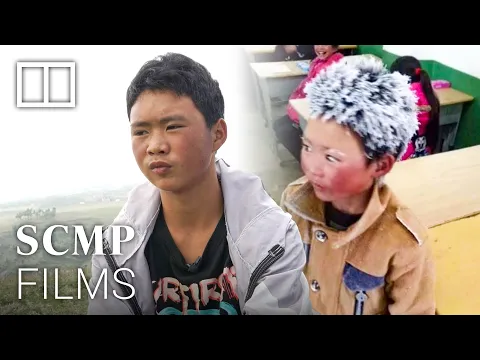
In the months following the repercussion, Wang was transferred to a better-equipped school. However, the change generated a new wave of media attention that affected his routine, and his family decided to return him to the original school to avoid excessive exposure.
Local reports show that he continued to study, with academic performance considered above average, and his story was used in campaigns to promote rural education and combat poverty.
Why the Case Echoed Again in 2025
With the growth of content about child overcoming challenges and educational difficulties on digital platforms, Wang’s photo circulated again on international social media, reinforcing the emotional and social impact of the story.
The case remains one of the most emblematic episodes of rural education in modern China, reminding us that in remote areas, the simple act of getting to school can require extraordinary determination.