






 Portuguese
  Spanish


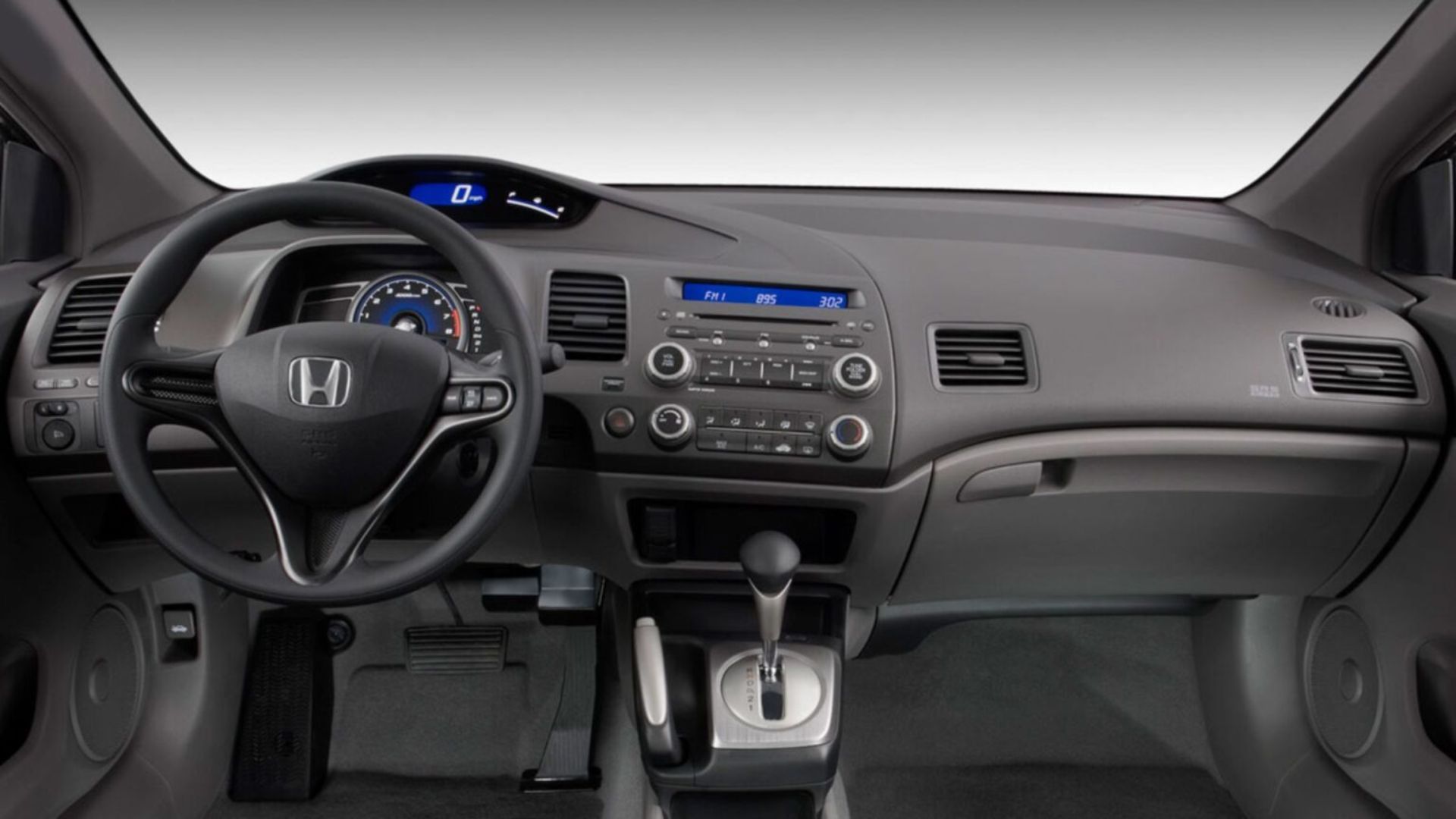

Medium Sedan from 2001 to 2006 Combines 1.7 Engine with 115 hp, Automatic Transmission, Independent Suspension, and Competitive Price in the Used Market, Maintaining Reputation for Reliability, Comfort, and Accessible Maintenance Over the Years.
The seventh-generation Honda Civic, produced between 2001 and 2006, remains one of the most sought-after used medium sedans for those looking for an entry price around R$ 24 thousand, a reliable mechanical set, and comfortable driving.
In this range, there are units of the LX and EX versions with 4-speed automatic transmission, 1.7 16V engine with 115 hp, independent suspension on all four wheels, and fuel consumption that can reach 12 km/l under favorable conditions, a combination that explains the constant demand in the used market.
Mechanical Set and Use Proposal
The 1.7 16V gasoline engine prioritizes smoothness and linear power delivery.
-
British Factory Transitions from Mechanical Parts to Producing 420,000 Electric Power Units Annually, Supplying 70% of Ford’s Electric Cars Sold in Europe

-
Toyota Shifts from Hybrid Cars to Electric Air Taxis with Joby’s 6-Rotor Aircraft, Capable of 322 km/h, Aiming for Mass Production to Electrify Urban Skies

-
Ferrari Unveils Limited Edition 12Cilindri Manuale: 6.5-Liter V12, 830 HP, 0-100 km/h in 2.9 Seconds, Top Speed Over 340 km/h, Only 1,499 Units Available

-
Discover the 2021 Fiat Cronos 1.3: Affordable Maintenance, Reliable Mechanics, and Fuel Efficiency of Up to 15.6 km/l


With the automatic transmission, the sedan favors calm driving in daily use and maintains a stable cruising speed on highways, with noise levels contained in the cabin.
It is not a sporty project; however, the 115 hp allows for planned overtakes with predictability, while the transmission shifts smoothly when in good condition.
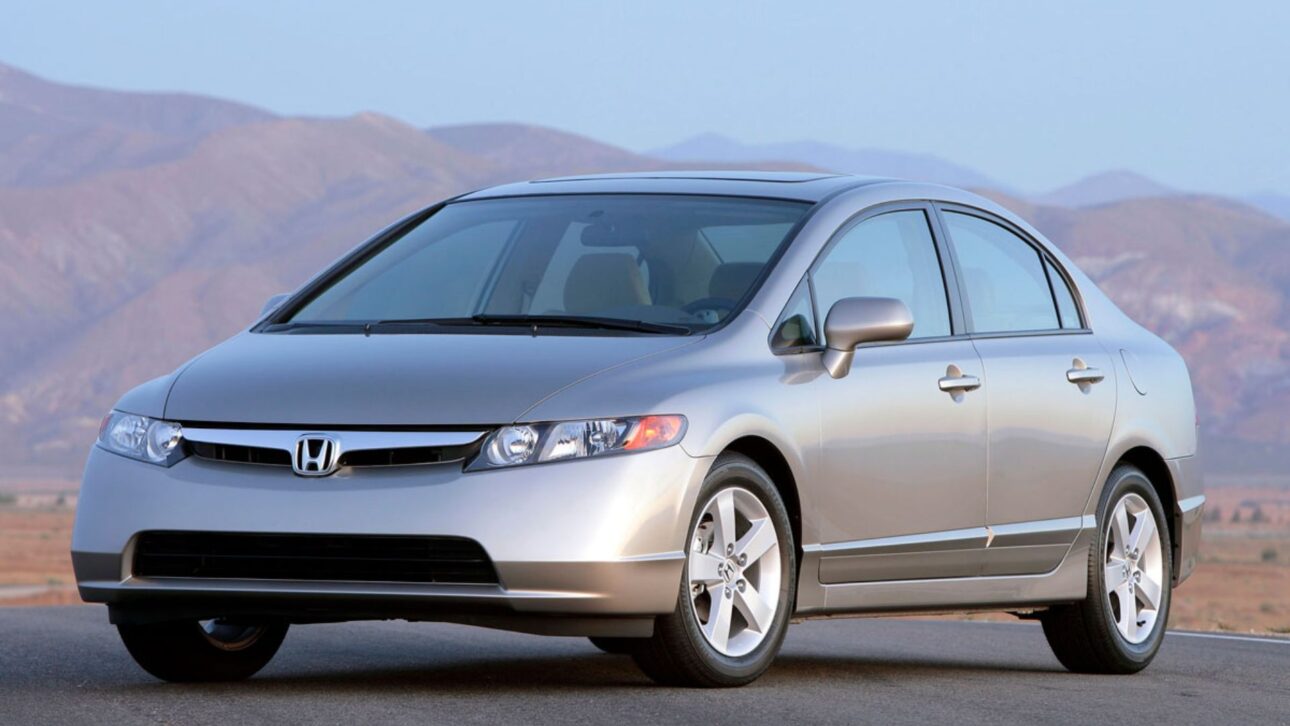
Perceived Durability and Comfort
The reputation of the Civic is based on the robustness of the body and the careful assembly of the interior.
Materials used in the interior, for the time, convey a sense of solidity and hold up well over time when preserved.
The driving position is low, with intuitive controls, and the ergonomics favor those spending many hours behind the wheel.
At highway speeds, sound insulation helps reduce fatigue on longer trips.
Independent Suspension and Stability
The presence of independent suspension on both axles remains a technical advantage of the model.
The balanced setup ensures convincing stability and efficient absorption of irregularities.
In curves, the body leans less than expected for a sedan of this age, which inspires confidence.
On rough surfaces, the set filters impacts without excessive harshness and preserves the structure against unwanted noise.
Consumption and Behavior in City and Highway
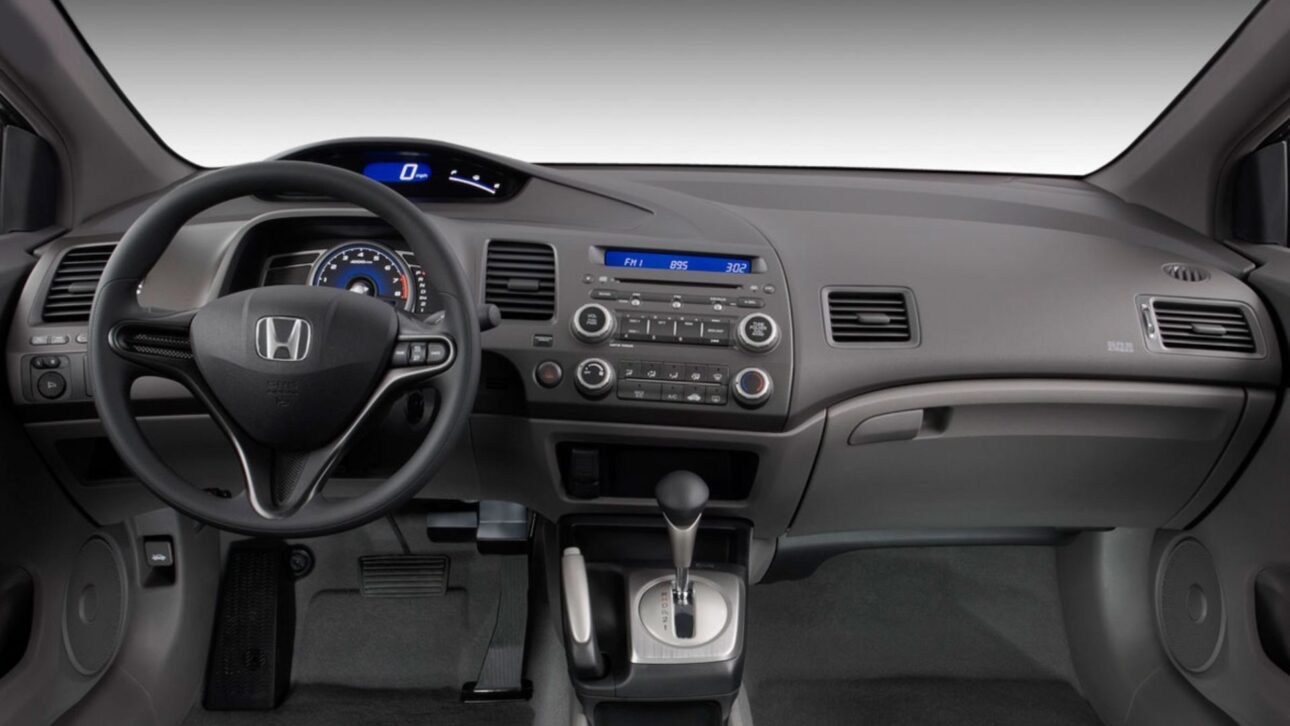
According to the original material, fuel consumption can reach up to 12 km/l on highways, a figure consistent with a naturally aspirated medium sedan of its time.
In urban traffic, the power steering eases maneuvers and, combined with a good turn radius, simplifies daily routines in tight parking spaces.
The brakes, sized for the car’s size, offer progressive responses, aligned with the family-oriented profile of the vehicle.
Equipment and Convenience of the Era
Even in the more common LX and EX automatic versions, the package includes air conditioning, power steering, sound system with CD player, and power windows and locks.
Today, these items are commonplace; however, in the early 2000s, they represented a good level of convenience without electronic complexities.
Seats with proper support and still intact foam in well-maintained examples provide comfort.
In the back, the space comfortably accommodates adults, benefiting from a relatively flat floor.
The trunk meets short family trips without crowding.
Steering, Visibility, and Control
The assistance of the steering system favors small corrections on the highway and provides adequate precision for daily use.
Visibility is wide, with pillars obstructing less than in more recent models and appropriately sized mirrors.
This combination contributes to safe and predictable driving in different scenarios, from urban settings to highways.
Maintenance, Parts, and Service Network
The cost-benefit of the Civic is also supported by the wide availability of parts.
Wear items, such as brake pads, shocks, bushings, and filters, are easily found both in authorized networks and in the independent market, at different price ranges.
The well-known mechanics reduce diagnostic time and facilitate repairs, whether in specialized workshops or with independent professionals familiar with the model.
Maintaining preventive fluid, belt, and spark plug changes preserves the functionality of the 1.7 engine and avoids more costly interventions.
Used Market and Observed Price
In the older medium sedan segment, R$ 24 thousand is usually the entry level for automatic units with conservation compatible with the usage time.
Examples with documented history, up-to-date maintenance, and transparent mileage tend to cost more, offering greater predictability to the buyer.
Prices significantly below the average warrant caution, as they may hide mechanical or aesthetic issues that increase costs post-purchase.
Regular documentation, verified recalls, and the presence of manuals and spare key are objective differentials.
Preventive inspections and provenance reports remain recommended to mitigate risks of damage or tampering.
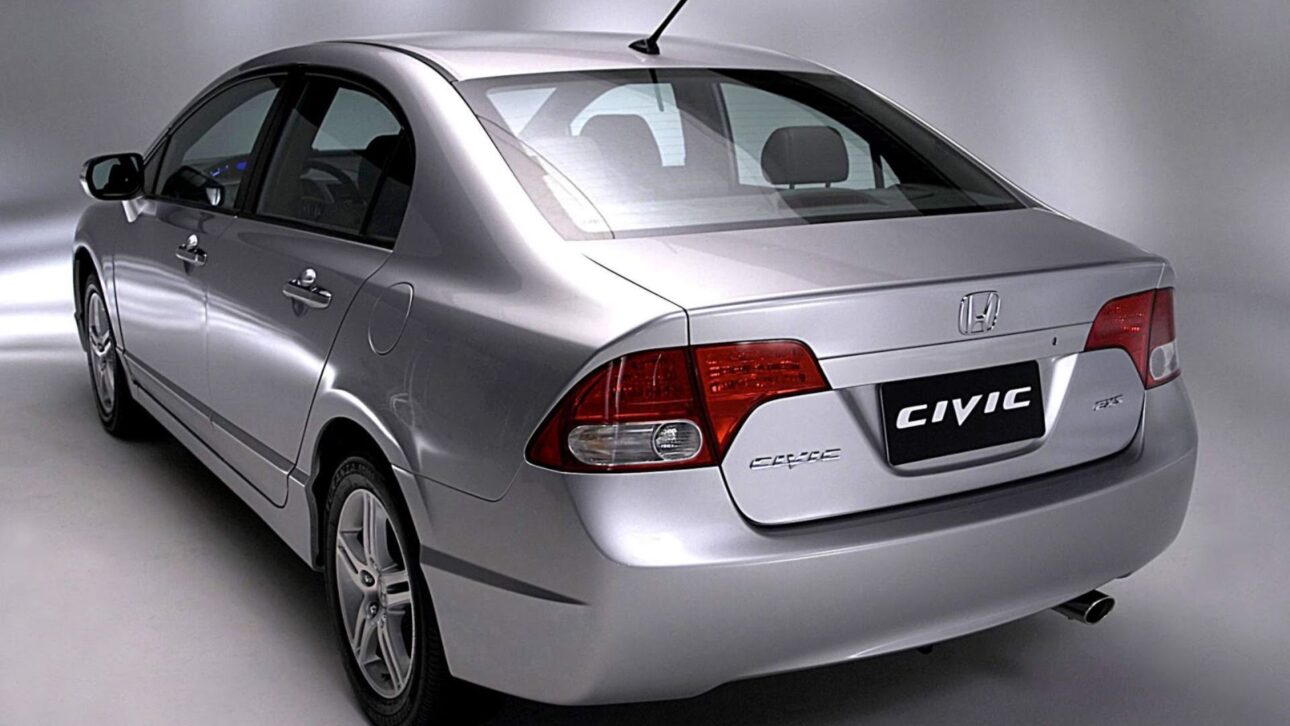
What to Inspect Before Closing the Deal
In a personal evaluation, it’s worth checking the 4-speed automatic transmission: shifts should occur smoothly and without slipping during firm accelerations.
It’s prudent to check for leaks in the powertrain, noises in the suspension, and play in the steering.
The air conditioning needs to cool properly, and the condition of the original sound system may vary, as many cars have received replacements over the years.
Inside the cabin, plastics and trim tend to hold up well; signs of dryness, breakage, or loose fittings indicate exposure to sunlight or questionable quality repairs.
Tires with irregular wear point to misalignment or tired suspension components, requiring immediate correction.
Buyer Profile and Value Proposition
For those seeking everyday comfort, known maintenance, and a contained acquisition price, the Civic 2001–2006 brings solid attributes together.
It delivers mechanical reliability, sufficient performance, and consumption compatible with the proposal, in addition to basic equipment that covers most uses.
With careful selection and competent technical evaluation, it tends to offer a predictable ownership experience, without unnecessary surprises.
Considering this set, how much weight would you give to the balance between price, comfort, and availability of parts when choosing an automatic medium sedan of this generation?






Infelizmente quem escreveu essa matéria nao entende nada de Civic, primeiro que as fotos são do G8 (new Civic) 2007-2011, segundo que os G7 tinham dois motores 1.7 115CV e 1.7 VTEC 130CV, este ultimo presente apenas nas versões LXL e EX. As versões dos Civics G7 era LX (versão de entrada), LXL (intermediária entre 2004-2006) e a versão top EX, que contava com freios ABS, airbags duplos, ar condicionado automático, disqueteira Panasonic com capacidade para 6 discos, além do excelente motor VTEC
Its like you read my mind You appear to know a lot about this like you wrote the book in it or something I think that you could do with some pics to drive the message home a little bit but instead of that this is fantastic blog An excellent read I will certainly be back