Portuguese
  Spanish



Jaguaribe Farmer Saves Over R$ 600 Per Month After Installing Solar Energy on His Property’s Land. System Ensured Well-Being, Financial Security, and Energy Autonomy.
The expansion of solar energy continues to transform stories all over Brazil, especially in rural areas where electricity expenses often weigh heavily on family budgets. In Jaguaribe, in the interior of Ceará, a symbolic example shows how photovoltaic technology has already changed lives.
Farmer Laércio de Amorim, at 89 years old, reduced his electricity bill from approximately R$ 700 to just R$ 80 after installing solar panels on the land where he has lived for decades. The change brought savings, comfort, and more financial peace of mind, reflecting the advancement of clean energy among low- and middle-income families.
Immediate Savings and Daily Impact
Laércio’s decision came after years of dealing with electricity bills that compromised a large part of the family income. In the Ceará hinterland, where nighttime temperatures often exceed 30°C, energy consumption tends to be high, mainly due to irrigation systems and air conditioning units. The farmer remembers how difficult it was to keep everything running.
-
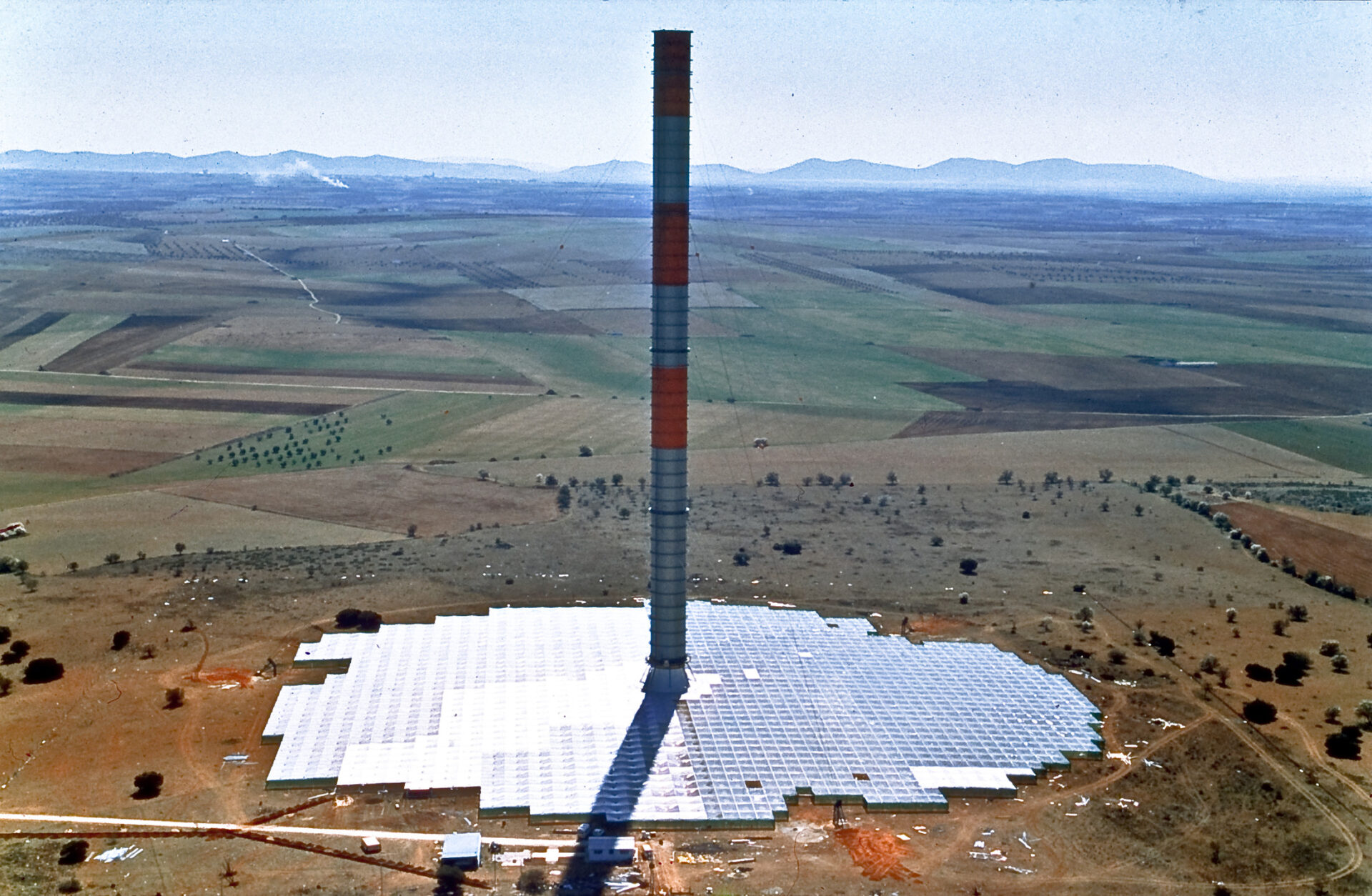
Solar Chimney in Spain Harnessed Sun to Generate Electricity for 7 Years Without Burning Fuel

-
Solar energy reaches 55 GW, becoming the second largest power source in Brazil’s energy mix

-
Solar energy can increase property value by up to 10% and become a selling point.
-
Solar and wind energy surpass natural gas for the first time in the world and accelerate energy revolution


“The cost I had with irrigation was very high. Now I only pay the minimum fee to Enel,” he says.
Even with three air conditioning units, the monthly cost dropped drastically. The savings allowed the family to use the appliances without worry, something unthinkable before the system was installed.
High Investment, But Quick Returns
The solar energy system installed on the rural property cost R$ 20,000 — funds raised after selling part of the land. For Laércio, the sacrifice was worth every penny.
“Many times it is worth giving up something, like a piece of land or even a car that is not used for work, and investing in something that will bring savings every month,” he explains.
The result was immediate: in addition to the huge reduction in the bill, the predictability of energy expenses brought financial security and allowed the family to reorganize their household budget.
Increased Comfort Even on Hot Days
Dona Lourdes, Laércio’s wife, sums up well the change that solar energy brought to the home. With the intense heat of the region, she says the family avoided turning on the air conditioning, as costs could rise by over R$ 300 per month.
“If we were to pay for regular energy, we would be paying over R$ 1,000 per month. Today, even with three air conditioning units, we pay around R$ 80. The investment was worth it,” she states.
Thus, in addition to savings, the technology brought quality of life. Sleeping better, working more comfortably, and living without the fear of rising bills became part of the new routine.
Solar Energy as a Tool for Autonomy and Planning
With reduced expenses, Laércio also began saving part of the money saved every month. The initiative turned into an emergency reserve, ensuring more security for old age, potential health expenses, and other family needs.
“What’s left, I save. It’s security for old age, for health, for day-to-day,” he celebrates.
The case demonstrates the growing role of solar energy as a tool for energy inclusion, allowing families from different financial backgrounds to have autonomy over their expenses and enhance their quality of life in both rural and urban settings.
A Movement That Grows Across the Country
Laércio’s story is not isolated. In various regions, families have adopted photovoltaic systems as a way to reduce costs and improve their quality of life. Canal Solar tracks the journeys of Brazilians who, like the farmer from Jaguaribe, have managed to reorganize their finances and live more comfortably thanks to solar energy.
Among these examples is a retired couple who managed to keep their health insurance up to date after the savings provided by the technology, and a seamstress who discovered, in practice, that solar energy is not a “rich person’s thing,” but an accessible alternative that is increasingly present in the lives of Brazilians.