






 Portuguese
  Spanish


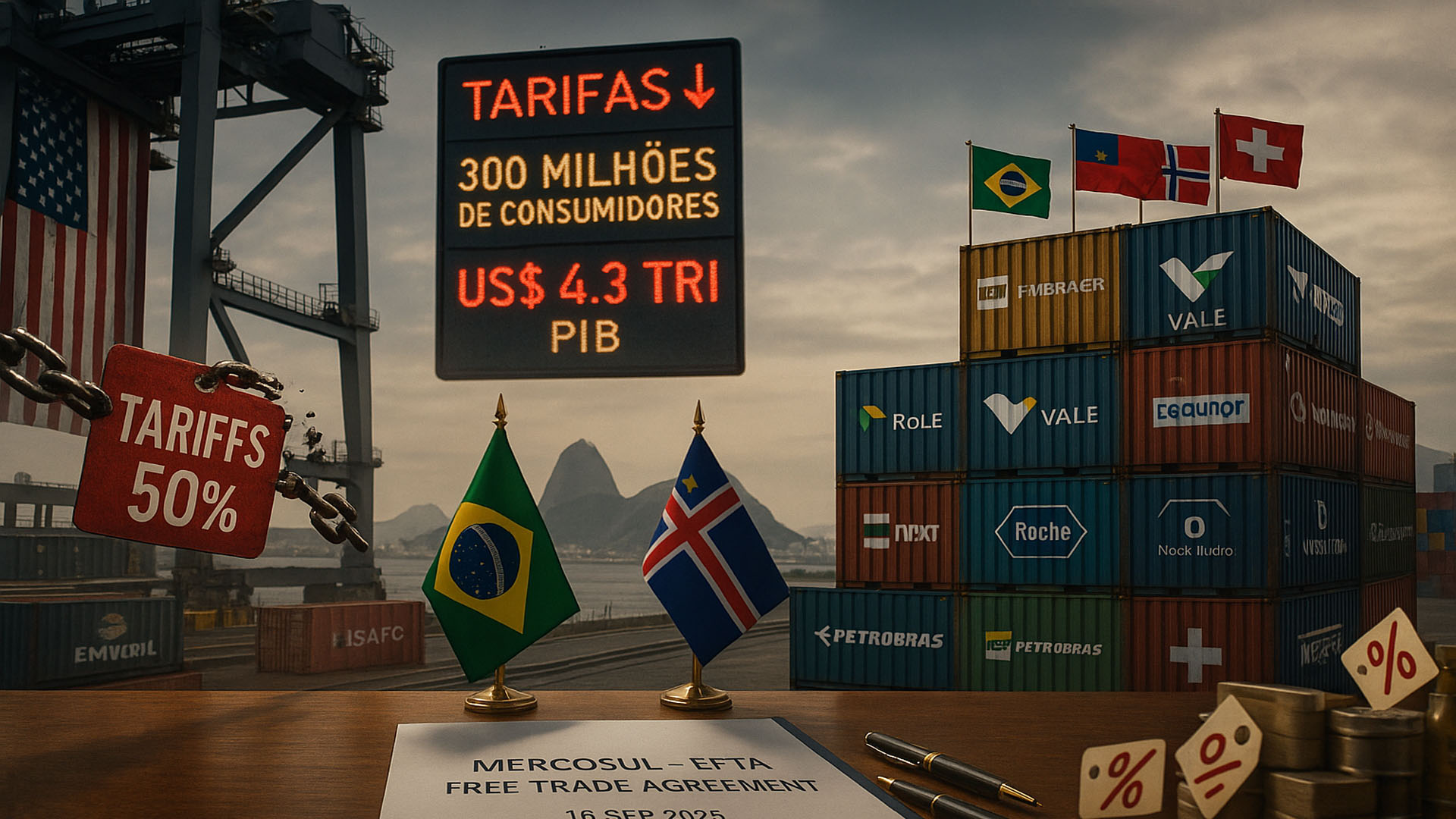


Signed on September 16, the Mercosur-EFTA agreement creates a free trade zone. Experts see a chance to diversify markets and reduce costs, but its validity depends on ratification.
Mercosur signed a free trade agreement with the European Free Trade Association (EFTA), formed by Iceland, Liechtenstein, Norway, and Switzerland, on Tuesday, September 16, 2025, during a ceremony in Rio de Janeiro. The treaty establishes a free trade zone covering almost 300 million people and a combined GDP exceeding US$ 4.3 trillion, according to an official joint statement.
The text is broad and includes rules for goods, services, investments, government procurement, intellectual property, sanitary and phytosanitary measures, dispute resolution, and a chapter on trade and sustainable development. The expectation is for better market access for over 97% of exports on both sides.
To take effect, the agreement still needs to be ratified by all signatories. Switzerland, for example, stated that it will submit the text to Parliament; the government estimated an annual tariff saving of over 155 million Swiss francs for its companies when negotiating with Mercosur.
-
Brazilian Startup Turns Coffee Grounds into Plant-Based Leather, Cutting Water Use by Over 50 Times for High-Impact Sustainable Fashion

-
Eco Invest Auction Aims to Unlock $10 Billion in Investments, Focusing on Green Fertilizers, Critical Minerals, Batteries, and AI for Clean Industry in Brazil

-
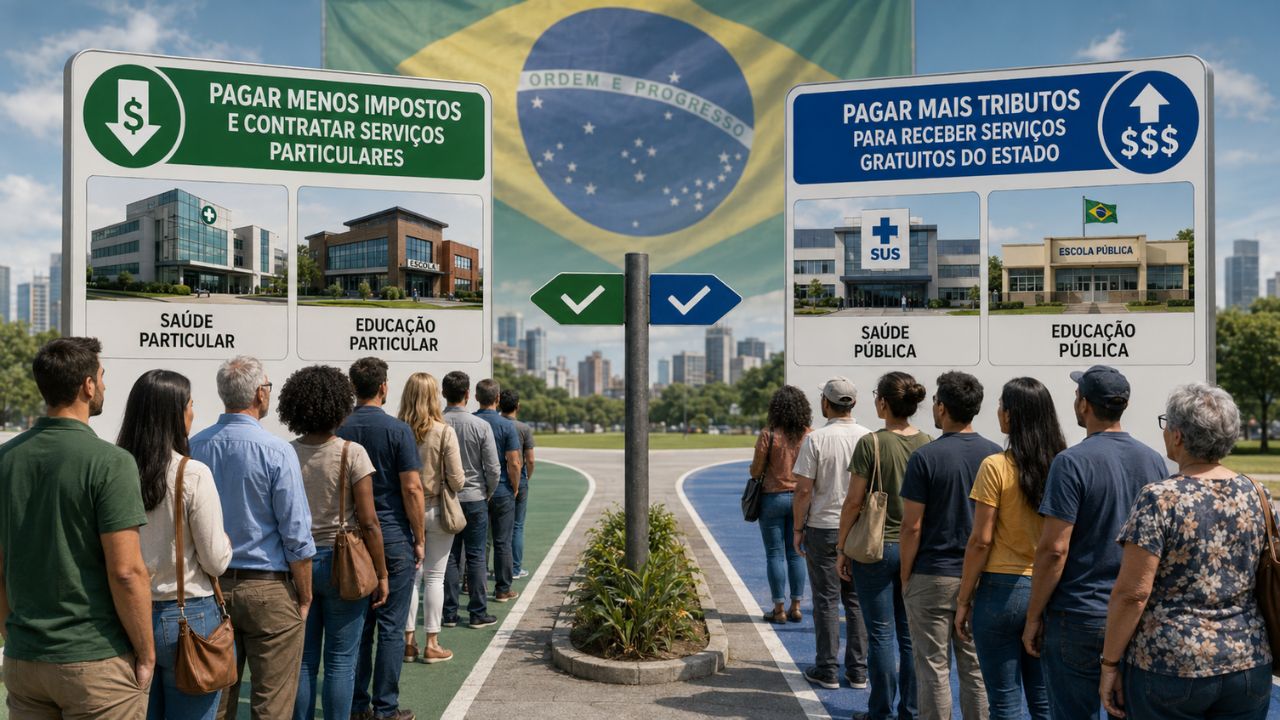
Half of Brazilians Prefer Lower Taxes with Private Health and Education, While 44% Opt for Higher Taxes for State-Provided Services, Datafolha Survey Reveals

-
Brazil’s Most Expensive Toll Rises to R$ 40.60 on Route from São Paulo to the Coast, Nearly Matching Bus Fare to Santos



The move occurs amid trade tensions with the United States, following tariff increases by Washington on a range of Brazilian goods, a measure that has already affected flows such as oil and beef heading to the North American market.
What Changes for Brazil, Tariff Reductions, Costs, and Possible Effects on Prices
In the short term, Brazilian companies are likely to benefit from the elimination or gradual reduction of tariffs in EFTA, focusing on industrial goods, agriculture, fisheries, and services. By lowering industrial input costs and simplifying customs procedures, the agreement can reduce production costs in Brazil — an effect that, if passed on, helps contain consumer prices in specific segments.
For agribusiness, the text opens new quotas and preferences that expand access to high-income markets like Switzerland and Norway. The promised predictability and legal certainty are expected to favor long-term contracts and investments in tracking and sustainability required by European buyers.
Services and public procurement sectors also gain ground. The opening of tenders and clear rules for digital services may attract small and medium-sized Brazilian companies, which traditionally have more difficulty in internationalization. SMEs are mentioned as direct beneficiaries in the statement.
The Brazilian government frames the agreement as part of a strategy to diversify markets and expand the network of agreements since 2023, citing the pact with Singapore and the conclusion of negotiations with the European Union. In an official statement, Brasília classifies the signing as a reinforcement of multilateralism and international cooperation.
Diversification and Lower Dependence on the U.S.
The United States remains one of Brazil’s main partners, but its share of Brazilian exports is around 12%. A recent public report confirms the current weight of the U.S. and highlights a relative loss in share over two decades, reinforcing the importance of diversifying destinations.
In 2025, tensions escalated: additional tariffs of 50% announced by Washington created uncertainty and suspended shipments of Brazilian oil; in the case of beef, projections indicate a sharp decline in volumes to the North American market following the tariff change. These shocks accelerate the search for alternative routes.
Government monthly balance data show that, in August 2025, exports to the U.S. fell by 18.5% compared to the same month the previous year. With the Mercosur-EFTA agreement, Brazilian companies gain a gateway to high-income markets less subject to political fluctuations in Washington.
In practice, a reduction of geographic concentration risk can mitigate the impacts of sudden barriers and enhance the bargaining power of Brazilian exporters, including in price and deadline negotiations. This applies to sectors like mining, food, proteins, chemicals, paper and pulp, and manufactured goods.
Rules, Sustainability, and Technical Standards
The agreement requires technical compliance in sanitary, environmental, and traceability areas. Adjustments in quality, governance, and compliance will be necessary to access government procurement and gain higher value-added niches in EFTA countries.
The presence of a chapter on sustainable development and provisions on technical barriers to trade is expected to align Brazilian practices with European requirements, which may facilitate future dialogue with the European Union and other partners.
For SMEs, the predictability of rules and faster customs processes is a differentiator. Agreements that reduce fixed costs and regulatory uncertainties tend to increase the entry rate of small businesses in foreign trade, boosting competition and innovation.
And you, do you believe the agreement will really lower prices in Brazil, or will the effect remain “stuck” in quotas and technical requirements? Share your opinion!









Com certeza e a médio prazo, o Brasil terá bons resultados e os benefícios se estenderão a toda população. Sair da concentracao de dependência de um país, a exemplo disso dos EUA, não é ruim para nenhuma outra nação.
Quanto mais propaganda….menor interesse pela matéria.