






 Portuguese
  Spanish
 4 min of reading
  0 comments


The Opening of Transnordestina Is Scheduled for October 2025 with Cargo of Corn and Soybeans from Piauí to Ceará. The Ministry of Transportation Reinforced That the Railway Is Already Mobilizing Thousands of Workers and Received New Funding to Accelerate Completion.
The Minister of Transportation, Renan Filho, confirmed that the first trip by Transnordestina will take place in October 2025, after an agenda in Piauí that also authorized the duplication of BR-343 between Teresina and Altos. The inaugural train will leave Piauí carrying corn and soybeans, inputs for the chicken supply chain in Ceará.
The pilot operation focuses on regional supply and serves as a practical step to integrate Matopiba with the agro-industrial hubs of Ceará, with a route directed to the Port of Pecém according to the federal government’s logistics strategy.
In parallel, the state government of Piauí and local media highlight that the railway will also carry fertilizers, fuels, cement, and ore, signaling a diversified cargo matrix right from the start.
-
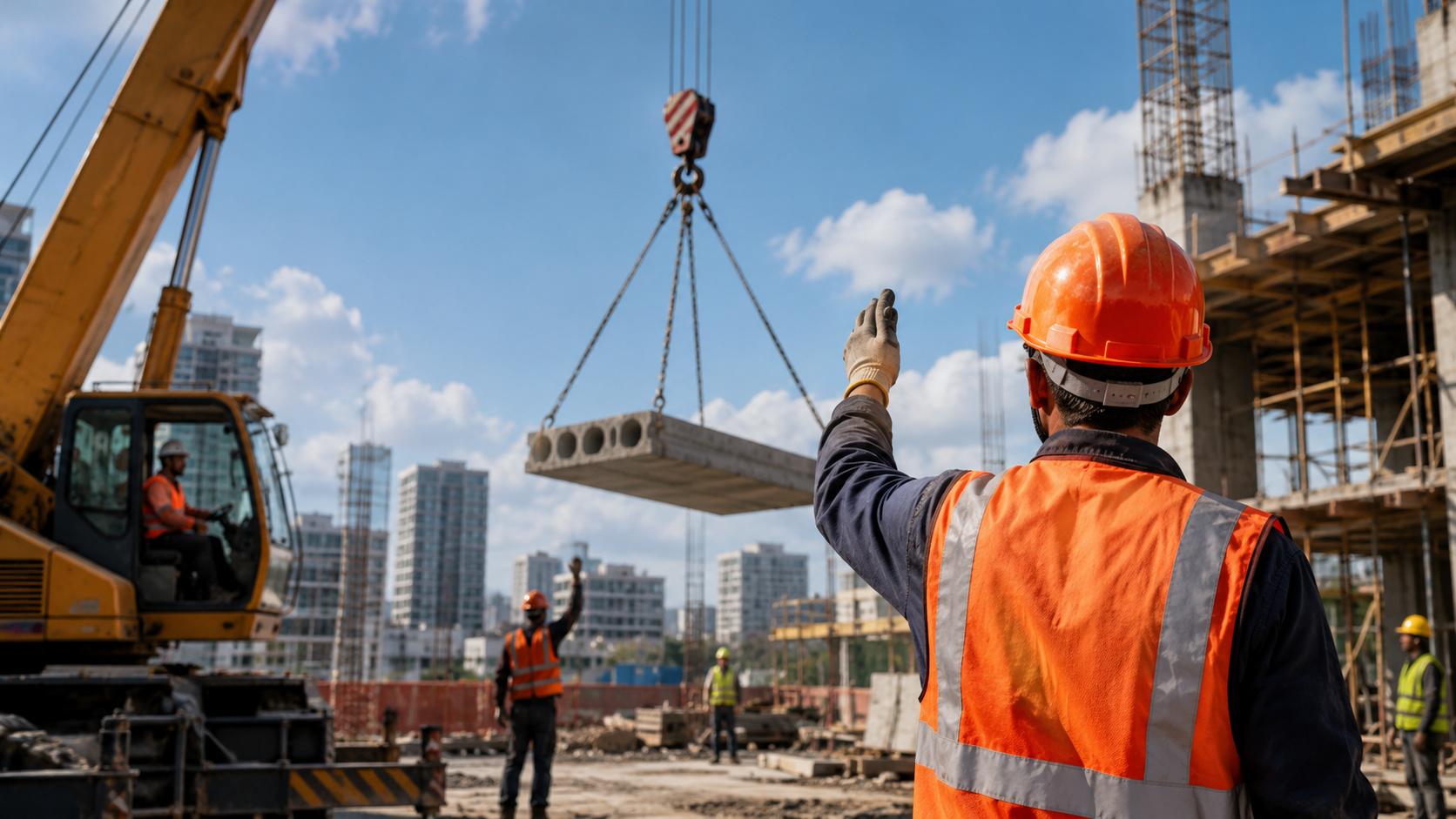
Why can the crane operator only obey the correct signalman on the construction site: among dozens of workers, a hand raised by the wrong person can confuse the maneuver and turn a load of tons into an immediate risk.

-
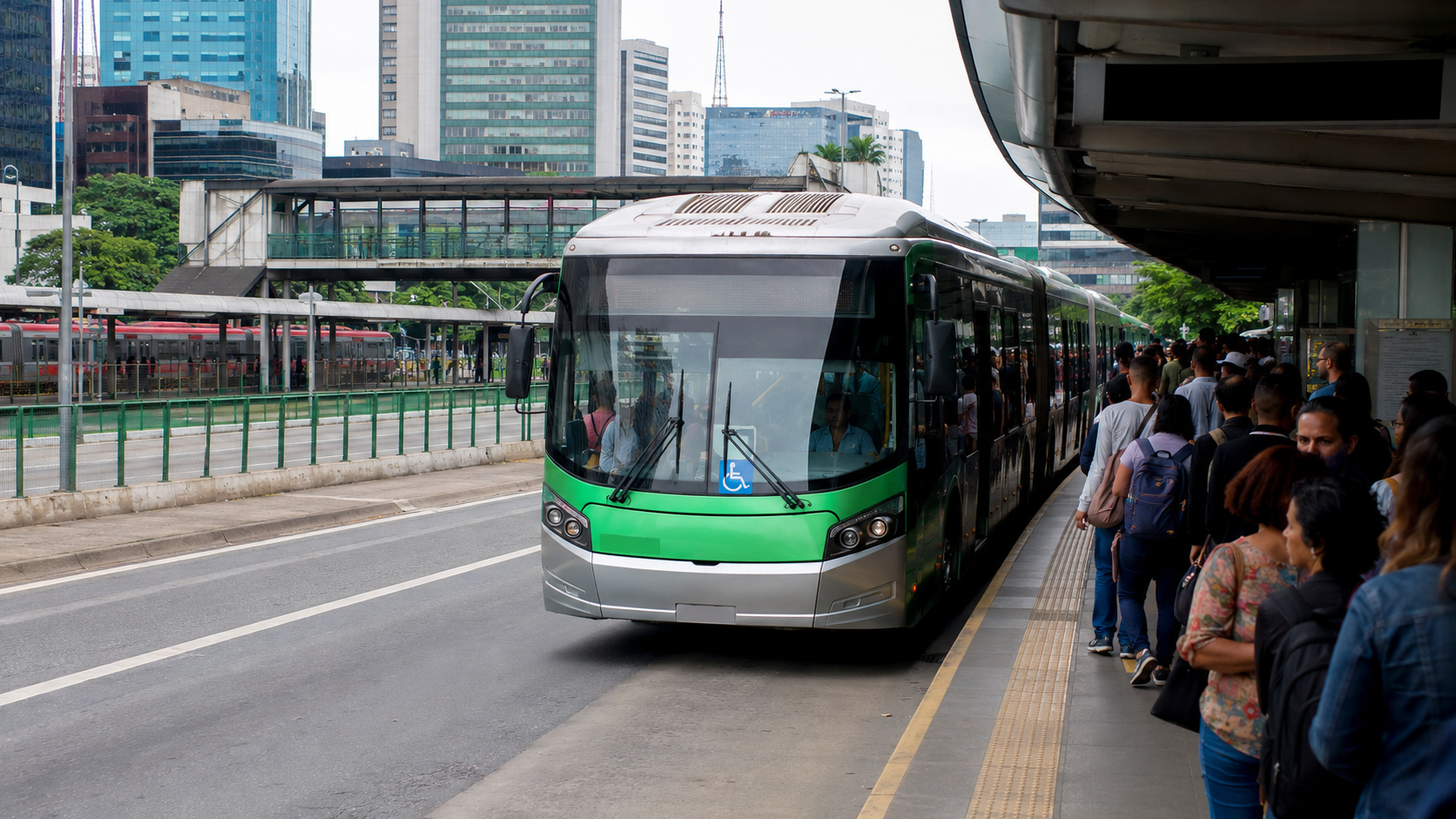
What changes with the new public transportation rules that can reduce pressure on fares and pave the way for zero fare in Brazil?
-
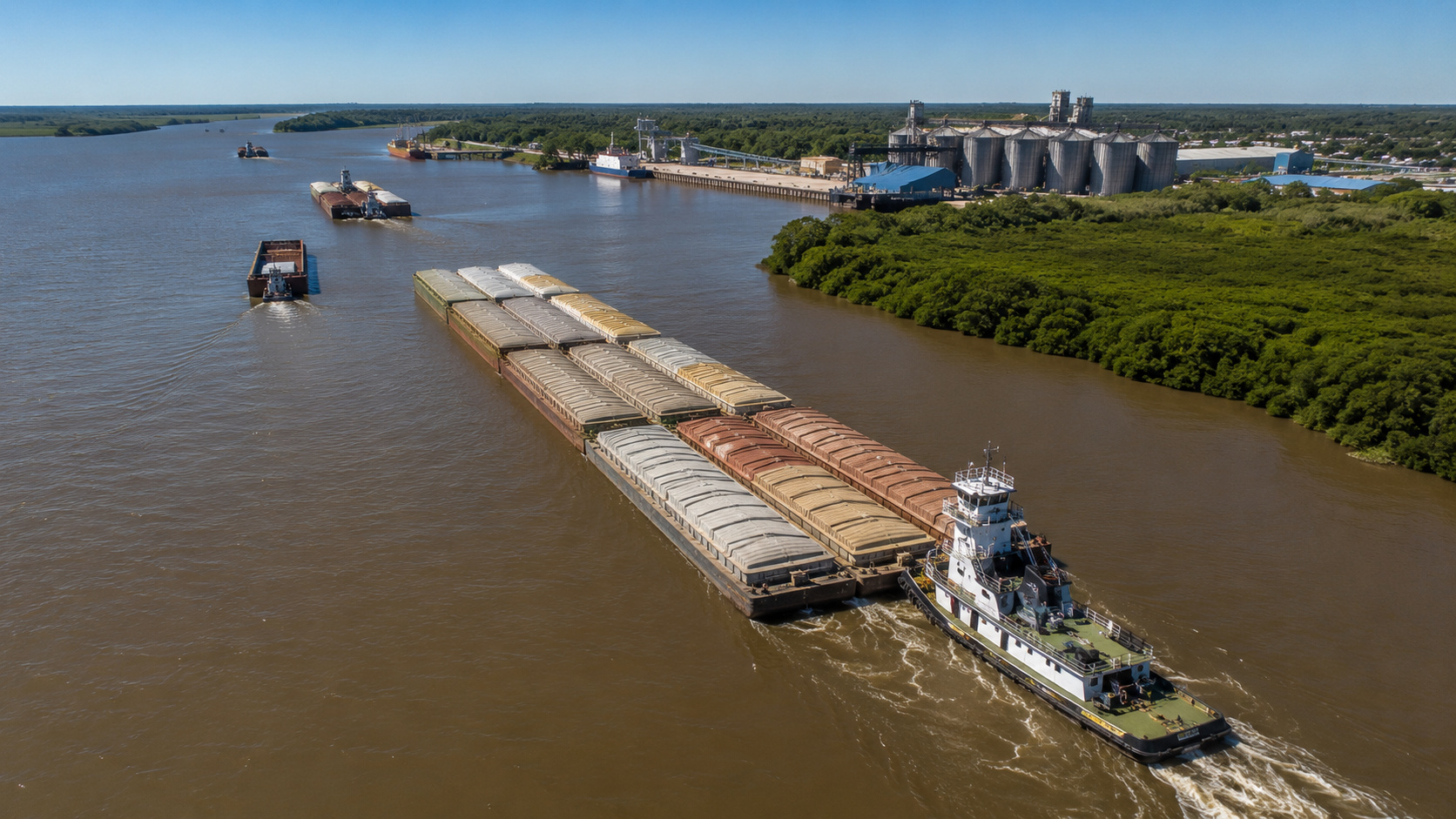
Argentina confirms Belgian giant to lead strategic Paraná River waterway and promises to reduce logistical costs on one of South America’s most important routes
-
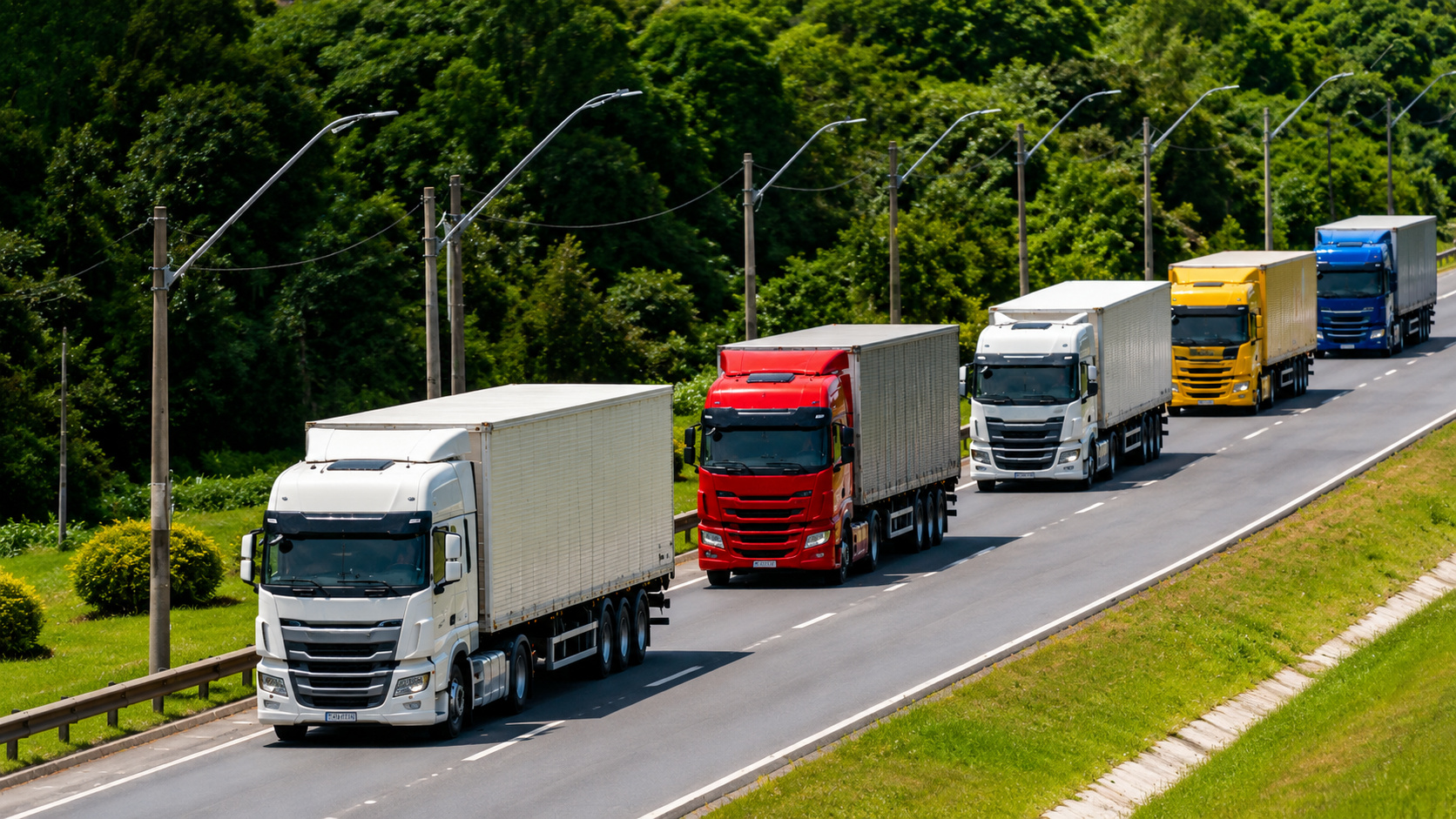
MBRF surprises the logistics sector by demonstrating how Artificial Intelligence can directly influence deliveries throughout Brazil by reorganizing distribution routes in seconds, optimizing fleet usage, reducing logistics costs, and speeding up product arrivals even in the face of unforeseen road incidents.
First Trip of Transnordestina
The definition of October 2025 as the inaugural milestone aims to align operational tests with the crop harvest window, reducing logistical costs for producers and farms. The train will leave from southern Piauí and head to Ceará, anchored in the connection with the Pecém Complex.
The operational design provides for lots of corn and soybeans as priority cargo in the first dispatch, with progressive potential to include return loads, such as fertilizers. This combination improves the occupancy rate and competitiveness against road transport over long distances.
Pecém emerges as a strategic exit for Piauí by offering hinterland, port connection, and the ability to attract new industrial plants, enhancing the multiplier effect of the corridor on the animal protein chain in Ceará.
Transnordestina Works in 2025, Physical Progress and Work Fronts
According to the federal government and the Bank of the Northeast, the section between Piauí and the Port of Pecém reached 75% progress in July, with 676 km of the main line already delivered and another 280 km under construction.
The announcement of the inaugural trip occurred while around 4 thousand workers are active on construction fronts, a number cited in recent public agendas with the minister. This contingent is expected to grow in the commissioning and testing phase.
The progress indicators reinforce that the railway has entered a decisive phase, opening space for assisted operations still in 2025 and the consolidation of regular routes starting in 2026, as the sections mature.
Funding and Schedule: FDNE, Funding of R$ 1.4 Billion and Execution
To sustain the pace, the government announced on July 18, 2025 a new funding of R$ 1.4 billion directed to the Ceará section, while the FDNE authorized an additional R$ 816.6 million for the concessionaire. Official communications estimate a total budget close to R$ 15 billion and R$ 8.2 billion already executed from public and private resources.
The dynamics of transfers involve Sudene, BNB, and instruments such as FDNE and Finor. The budget predictability is a key point to maintain schedules and ensure materials, sleepers, rails, and signaling on an industrial scale.
With financial reinforcement, the government projects to start cargo transport later this year, starting with test operations that validate permanent routes, yards, telemetry, and railway safety protocols.
Piauí Accelerates Phase 2 with 33% Between Eliseu Martins and São Miguel do Fidalgo
In Piauí, phase 2 between Eliseu Martins and São Miguel do Fidalgo reached 33% execution by the end of August, with phase 1 (240 km) completed and rail and sleeper installation advanced to the 1st half of 2026. The state plan indicates 391 km completed in the 2nd half of 2028, a progress compared to the original timeline.
This progress reinforces Piauí’s role as a grain origin of Matopiba, connecting agricultural hubs in the southern part of the state to the egress towards Ceará. The route promises to reduce cost of transport, losses, and transit time on saturated road corridors.
The synchronization between civil works, superstructure, and yards is essential to free up continuous segments of circulation, allowing a gradual ramp-up of grain and fertilizer trains.
What Changes for Pernambuco and the Regional Network
The Cearense branch has priority in this investment cycle and is what supports the inaugural trip. In Pernambuco, the recent history records the return of the section to Suape, which is still under discussion for alternatives for resumption or new modeling, a topic monitored by Sudene and the state government.
In practice, the consolidation of the PI–CE–Pecém axis tends to attract grain crushing plants, feed factories, and logistical services, expanding the chain effect of the railway on industry and commerce.
With operational maturation, the railway corridor can induce a redesign of road routes and reduce freight rates, as well as gains in safety, predictability, and lower emissions per ton transported.
Do you believe that the opening of Transnordestina in October will lower the cost of feed, reduce freight, and boost the Northeast’s agribusiness, or are there still concerns about the guarantees of continuous operation and stable resources for 2026 and 2027? Leave your opinion in the comments.


Be the first to react!