Portuguese
  Spanish



Stunning Crane Collapse at Keelung Port Hits Containers and Affects Operations – Understand the Consequences for Maritime Traffic
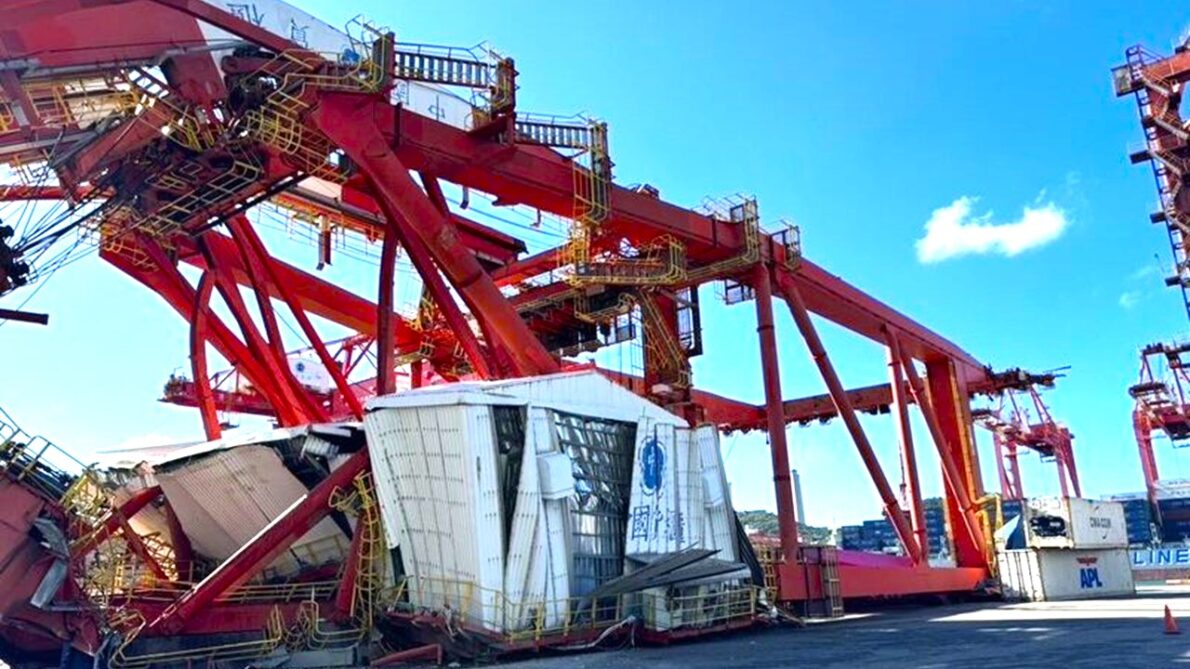
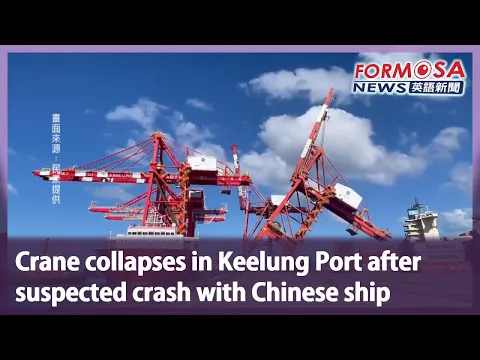
Keelung Port, one of Taiwan’s major port hubs, experienced tense moments with the collapse of a giant crane that struck several containers and caused considerable damage. This accident, which affected a strategic area for the transportation and movement of cargo, highlights the risks involved in busy port operations and raised an alert in the logistics and port industry.
Crane Collapses and Impacts Containers: How the Accident Happened
During cargo handling operations at Keelung Port, a crane unexpectedly collapsed, destroying multiple containers beneath it. According to preliminary information, the crane was in use at the time of the accident, and the causes of the collapse are still under investigation by local authorities and port safety experts.
For port operations, the collapse of such a large piece of equipment represents a significant operational and financial impact, as the port relies on large cranes to move containers and heavy cargo. After the accident, operations at the site were temporarily halted for debris removal and a complete inspection of the area, delaying the movement of ships and cargo.
-
131-Ton Naval Propeller, Costing Up to $4 Million and Taking 4 Months to Manufacture, Powers the World’s Largest Cargo Ships Almost Invisibly

-
Brazil’s Maceió Port Joins Decarbonization Efforts with Study to Supply Clean Energy to Cruise Ships

-
Brazilian Port Expands Ship Capacity to 9.5 Meters, Boosting Cargo Transport and Reducing Logistics Costs
-
New Smart Radar Begins Issuing Fines to Solo Drivers in Carpool Lanes, Uses Cameras to Count Occupants, Changing Traffic Enforcement Rules on Busy European Roads



Consequences for the Industry and Maritime Traffic
With the port temporarily inoperative in some of its handling areas, the impact on container traffic is notable, and the maritime industry is already estimating delays in cargo transportation in the region. The damaged containers, which held goods destined for various locations, will need to be inspected and possibly replaced, causing logistical and financial disruptions for those involved.
In addition to the immediate impact, the accident raises an essential discussion about safety in cargo operations, especially in busy ports like Keelung. Port companies and crane operators around the world are concerned about the maintenance and safety of their equipment, and the case of Keelung serves as a warning for strict inspection and maintenance practices to be reinforced.
Safety First: A New Alert for Ports and Crane Operators
The collapse of this crane in Keelung serves as a strong reminder of the importance of safety and maintenance of equipment in ports. Constant use and exposure to the elements challenge the integrity of cranes, which require regular inspections and stringent maintenance to prevent accidents. The port sector is vital for international trade, and incidents like this create a domino effect that can impact the entire supply chain, from container transport to the delivery of products to the end consumer.
Recovery and Prevention Measures
Following the accident, the management of Keelung Port initiated a series of investigations to identify the causes and prevent future collapses. While the port works on removing the damaged containers and replacing the crane, the global port community is observing the outcome in order to learn from the incident and improve its own safety practices.
This incident serves as an important lesson for the sector, reinforcing the need to invest in safety and advanced technology so that maritime traffic and container movement can occur with greater confidence and efficiency. In an environment where every minute counts, accident prevention becomes essential to ensure that ports like Keelung maintain safe and uninterrupted operations.