Portuguese
  Spanish


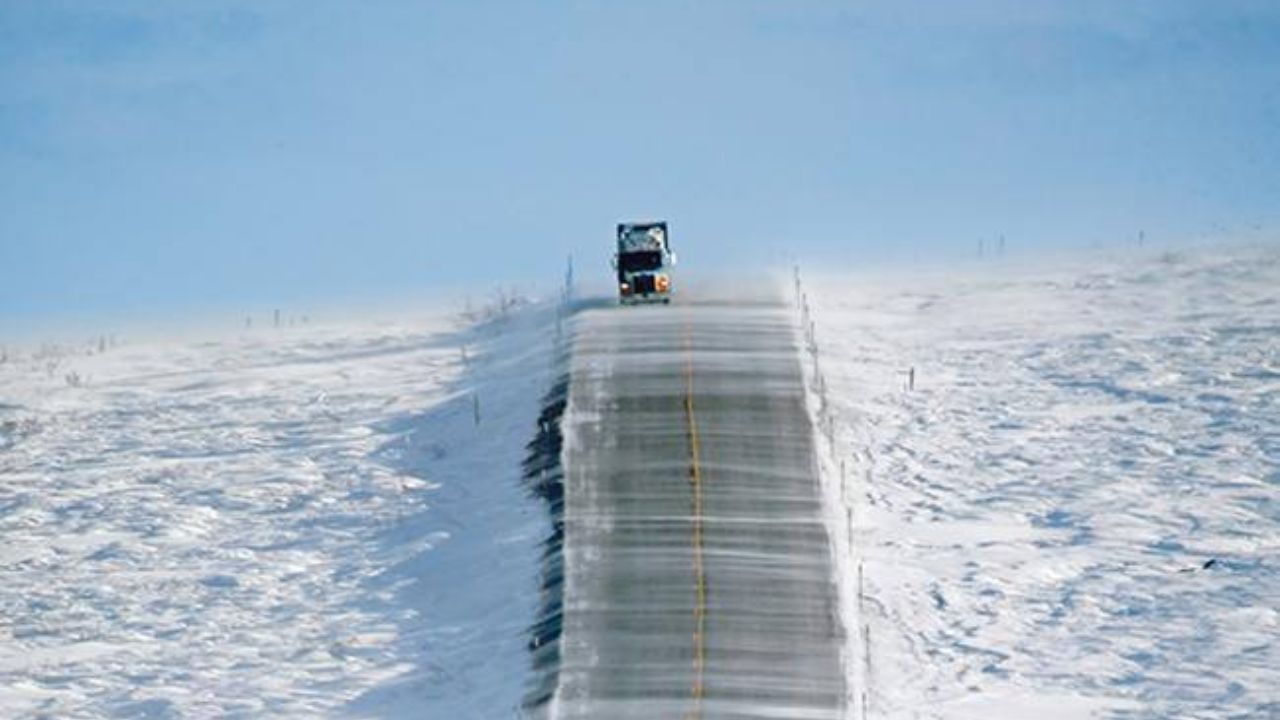

Expedition Along The Dangerous Dalton Highway Crosses Alaska To Prudhoe Bay, Where The Encounter With A Black Wolf Marks The Official Start Of The Pan-American Highway.
Since they shipped their van from the United Kingdom to Canada, Ben and Chesca had been eagerly awaiting the moment to face one of the most remote and dangerous roads in the world. Aboard a camping vehicle with only two-wheel drive, the couple decided to challenge the infamous Dalton Highway to reach the northernmost point of Alaska. The route is known for its unpredictable weather, deep potholes, and the constant presence of heavy trucks servicing the oil fields.
The 400-mile journey to Prudhoe Bay is not just a test of mechanical endurance but the starting point of a much larger project.
Upon reaching the top of the continent, the plan is to turn around and not stop until they reach Ushuaia, Argentina.
-
How to Prevent Brown Recluse Spider Bites: Common Hiding Spots and Free Tips to Reduce Risks

-
Natto: The Unusual Japanese Superfood Gaining Popularity on Social Media and Driving Record Exports
-
Brazilian Mayor Goes Undercover as Homeless for 24 Hours to Assess Public Services

-
15-Year-Old Entrepreneur Malu Lira Publishes 20 Children’s Books on Financial Education, Earns $500,000, and Expands Her Project to the Amazon Rainforest




However, to officially start the Pan-American Highway, they first needed to survive the brutal conditions that made the infamous Dalton Highway famous in shows like “Ice Road Truckers.”
Preparation For Extreme Isolation
The logistics for tackling this route required meticulous planning, as services along the road are virtually non-existent.
Ben and Chesca brought an extra fuel tank with 20 liters of diesel, in addition to the full tank, ensuring enough range to reach the gas station in Deadhorse.
The scarcity of resources drives prices up in the area, with fuel costing almost double the usual price, reaching around $8 per gallon.
Safety was enhanced with technology and extra supplies. As almost the entire stretch of road has no cell signal, the couple installed a Starlink antenna for emergency communication.
They also stocked food for five days and ensured supplies for their dogs, Scout and Rivers, for ten days. The extra water was stored inside the van to prevent freezing, as the forecast indicated temperatures below -4 degrees.
Encounters With Wildlife And Road Dangers

Right at the start of the trail, the couple was alerted by a local worker about the active wildlife. The forecast proved to be thrillingly accurate when they came face to face with a black wolf.
The animal got very close to the vehicle and made direct eye contact, a moment that brought Chesca to tears due to the beauty and rarity of the scene.
Besides the wolf, the area revealed tracks that appeared to be from large felines and herds of caribou crossing the tundra.
Driving on the infamous Dalton Highway required constant attention. Although some stretches of asphalt were surprisingly smooth, allowing speeds of up to 50 mph, others had potholes and uneven surfaces.
The risk of damage to the windshield from stones thrown by trucks is high on this route. To try to mitigate this, Chesca adopted a curious technique, resting her hand on the glass when passing heavy vehicles, in an almost “Jedi” attempt to avoid cracks.
The Challenge Of Atigun Pass

The critical point of the trip was crossing Atigun Pass, Alaska’s highest roadway pass. As they left the Brooks Range mountains, the road became more technical, wet, and slippery due to mud and the angle of the curves.
The tension increased with the risk of avalanches, amplified by the melting of the upper snow layer due to the gradual warming of the season.
Overcoming this stage meant descending toward the vast Arctic tundra, where the landscape levels off to the horizon.
The Trans-Alaska Pipeline became a constant visual companion, winding through the landscape like a metal scar cutting through rock, ice, and tundra.
The change in scenery was drastic: the light blue sky gave way to a dense and mysterious fog as they approached their final destination, resembling a “villain’s lair.”
Arrival In Deadhorse And Freezing Celebration


Upon reaching Deadhorse and Prudhoe Bay, the industrial scenery contrasted with the wild nature of the route.
The cold was intense, freezing the van’s pipes and making the wind chill brutal. Despite the adverse conditions and reduced visibility due to the freezing fog, the feeling was one of absolute triumph.
To celebrate their success on the infamous Dalton Highway and the official start of the descent to Argentina, the couple opened a bottle of champagne they had saved since Nova Scotia.
This milestone symbolizes the beginning of the Pan-American Highway, where the only possible direction now is south. They left the Arctic winter behind, ready for a journey that will cross the entire American continent to the end of the world.
Would you have the courage to tackle a remote road in Alaska with no cell signal and freezing temperatures? Share your thoughts in the comments!