






 Portuguese
  Spanish


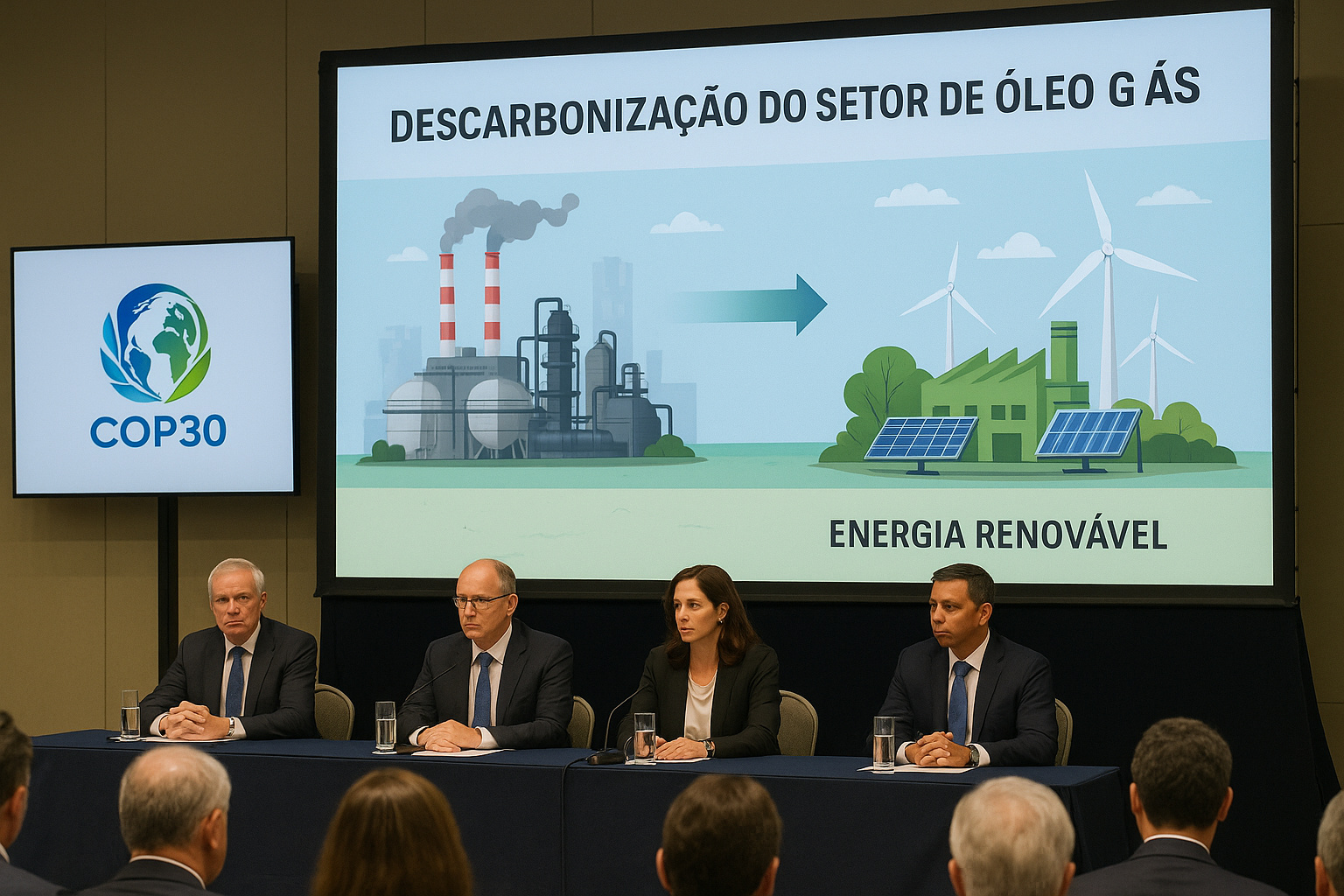
COP30 Brings Together World Leaders To Discuss Technology, Cooperation, And Strategies Capable Of Accelerating Emission Reductions In The Oil And Gas Sector
COP30 took place on November 14, 2025, in Belém, and therefore gathered global representatives from the energy sector. The panel discussed technological solutions and international agreements aimed at decarbonization. Furthermore, the meeting highlighted the need for cooperation among countries with different emission profiles.
Brazilian Industry Advances With Innovation And Technology
Right at the opening, Roberto Ardenghy, president of the Brazilian Institute of Petroleum, Gas and Biofuels (IBP), stated that the Brazilian industry operates at the technological frontier of emission mitigation. Additionally, he highlighted that innovative solutions developed since 2024 have gained international relevance. Ardenghy also emphasized that commitment, technology, and scale need to advance together to achieve concrete results.
Global Emission Asymmetry Requires Constant Cooperation
Next, Ardenghy explained that climate discussions must consider global inequalities in emissions. He cited Turkmenistan, which recorded 50 million tons of CO₂ equivalent from methane in 2024. Brazil, on the other hand, maintained around 2 million tons in the same period. This difference demonstrates the urgency for technology transfer mechanisms, according to Ardenghy. He reinforced that “collaboration means providing technological solutions where emissions are highest”.
-
Brazilian scientists are simultaneously advancing two research projects on clean hydrogen and driving solutions that could transform the energy matrix, enhance industrial competitiveness, and accelerate large-scale emission reduction targets.

-
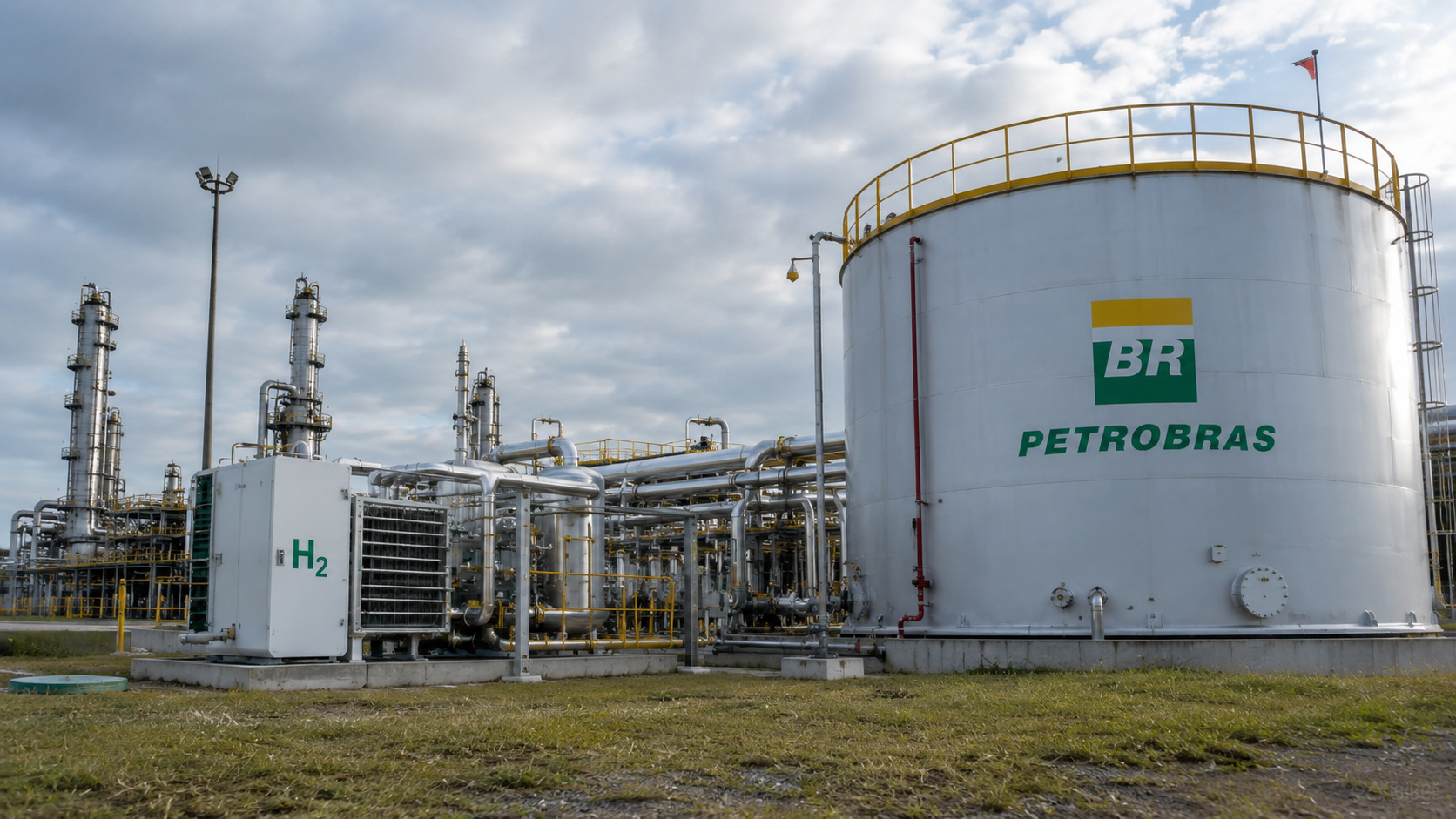
Advancement in renewable energy: A R$ 150 million project launched by Petrobras and Finep aims to create state-of-the-art electrolyzers for green hydrogen, strengthening national research and preparing Brazil to compete in a billion-dollar energy market.
-
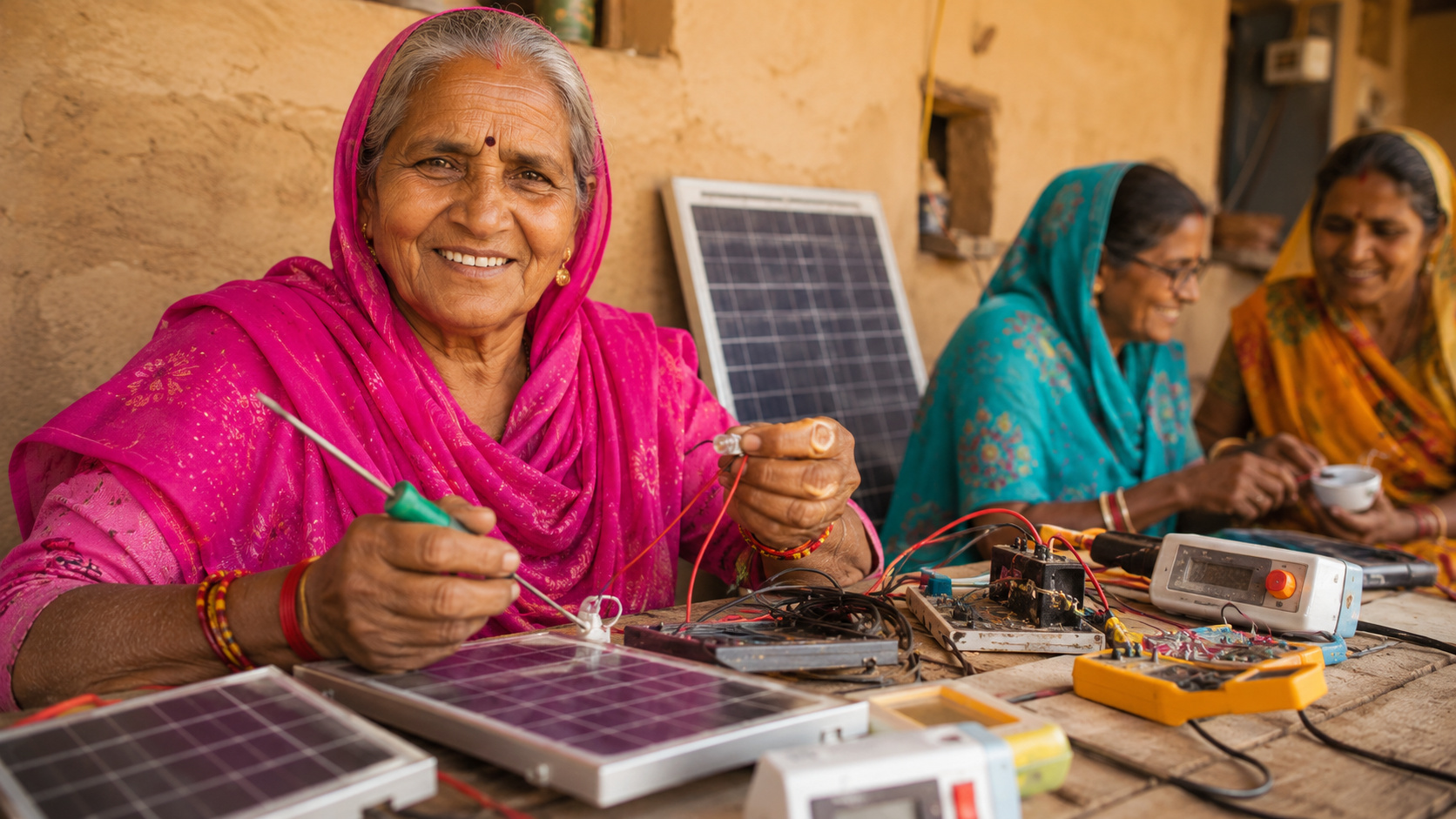
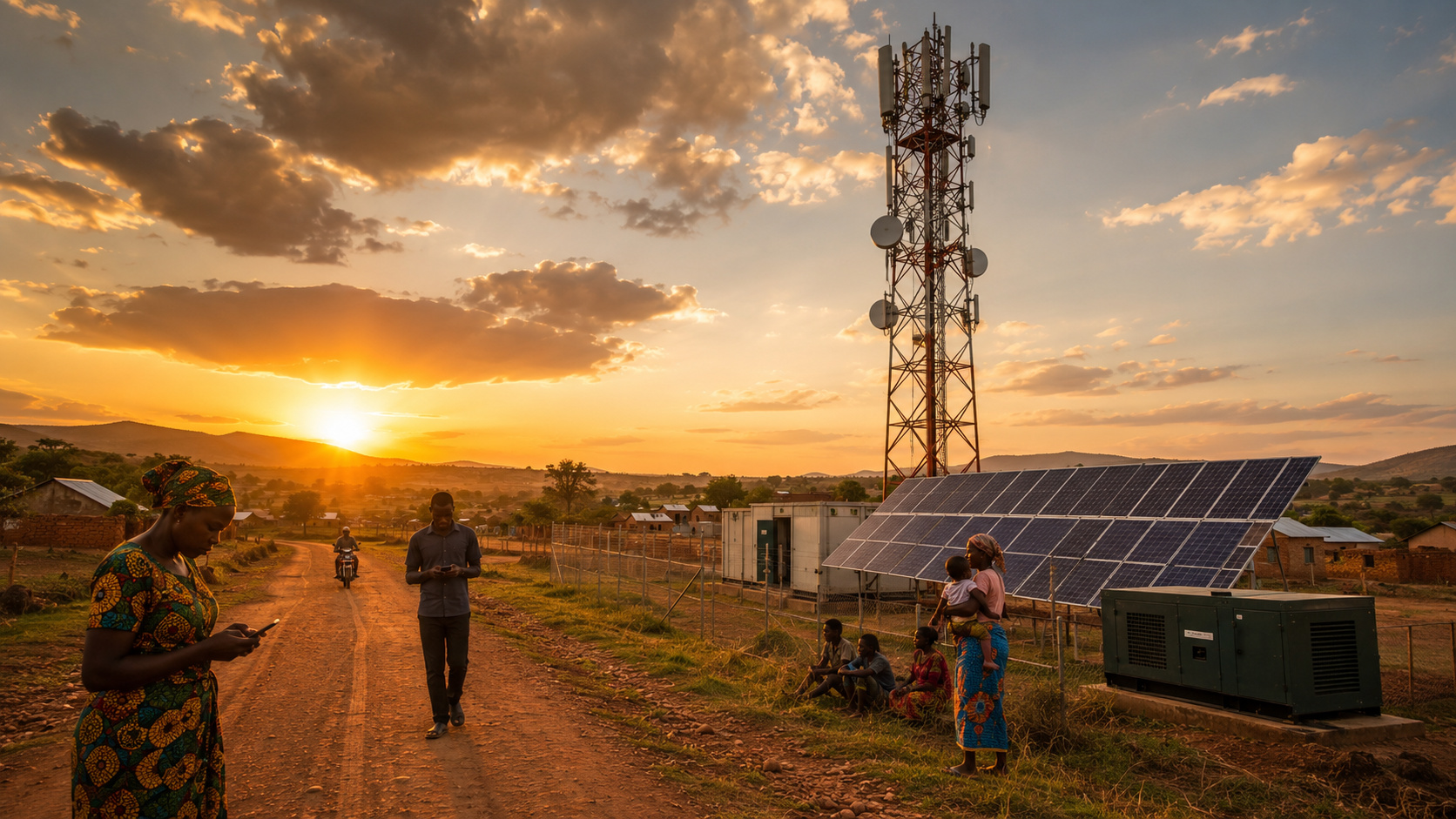
Illiterate or semi-literate grandmothers were trained to repair solar systems, open rural workshops, and light up homes that still depended on kerosene.
-
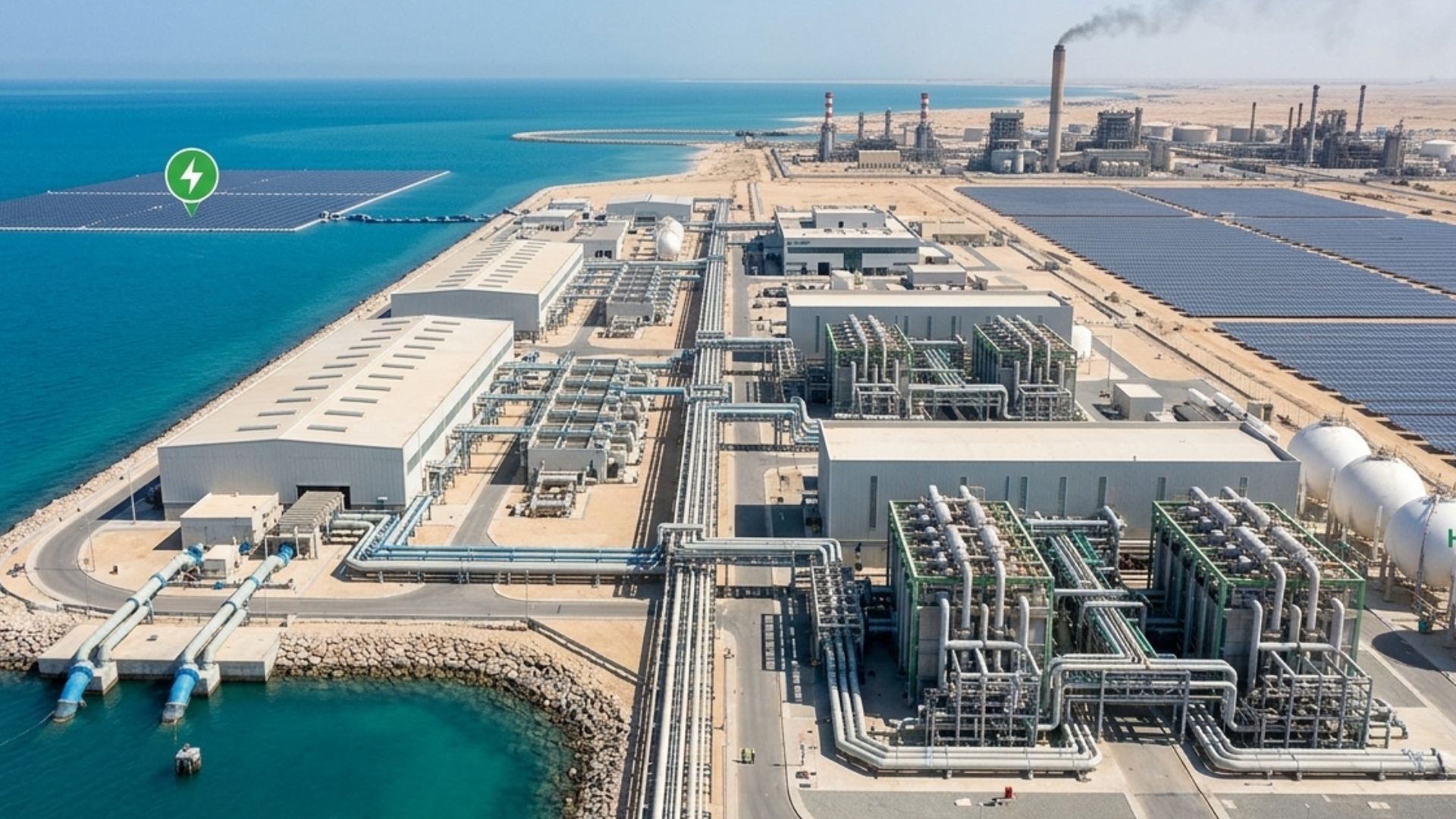
The world has bet on green hydrogen as the fuel of the future, but now faces the side effect: producing 1 kilogram requires about 9 liters of ultrapure water, and the largest projects on the planet are precisely in the driest regions of the Earth, where water is already scarce for people.


Technology Transfer As A Pillar Of Decarbonization
Shortly after, Patrick Pouyanné, CEO of TotalEnergies, stated that technology loses impact when it does not circulate internationally. Therefore, he argued that global diffusion of these solutions is essential to accelerate decarbonization. Meanwhile, Demetrios Papathanasiou, Global Director of Energy and Extractives at the World Bank, explained that the energy transition depends on the union of public policies, financing, and industrial capacity. He cited analyses released by the World Bank in 2024 to support this view.
Brazil Expands Its Protagonism In The Global Energy Transition
Following that, Renato Dutra, Secretary of Petroleum, Gas, and Biofuels at the Ministry of Mines and Energy, stated that Brazil maintains structural advantages in decarbonization. He explained that the Brazilian energy matrix has been cleaner since 2023, allowing for greater agility in climate projects. Furthermore, Dutra emphasized that the national industry possesses experience and technical capacity to advance efficiently.
Corporate Technologies Reinforce Advances In The Private Sector
Shortly thereafter, Viviana Coelho, Executive Manager of Climate Change at Petrobras, presented technologies applied by the company since 2022. She demonstrated that the private sector is already continuously working on reducing emissions. According to Coelho, “it is necessary to reduce emissions while we continue delivering energy at scale”. The statement highlights the operational challenge faced by the industry.
In your opinion, which path accelerates global decarbonization more: expanding technology or strengthening international cooperation in the oil and gas sector?





Be the first to react!