






 Portuguese
  Spanish


Understand How Russia’s Cheap Oil Purchases Boosted Reliance Profits and Intensified Trade Tensions with the United States
Since February 2022, after Russia’s invasion of Ukraine, India began importing Russian crude oil at significant discounts. This allowed local refineries, such as Reliance Industries, led by Mukesh Ambani, to expand their profits. At the same time, this strategy placed New Delhi at the center of a trade dispute with the United States.
According to the consultancy Energy Aspects, between 2022 and 2025, Indian refineries gained US$ 16 billion in additional profits from these purchases. Of this amount, about US$ 6 billion went directly to Reliance, which operates the largest refinery complex in the world, in Jamnagar.
Billion-Dollar Gains from Russian Oil
Before the war, India imported little Russian oil by sea. However, official data shows that since then, the country has acquired about US$ 140 billion in discounted oil. This sustained not only domestic production but also exports.
-
Oil production grows in Rio, but reserve replacement raises a warning sign

-
Petrobras is expected to complete the drilling of the Morpho well in the Foz do Amazonas in August 2026, the first well in the Equatorial Margin, an oil frontier that the ANP estimates at more than 30 billion barrels and could redraw the map of Brazil.

-
Oil returns to the center of concerns with tension between the US and Iran

-
IEA reduces forecast for global oil demand in 2026 after impacts of the Middle East crisis
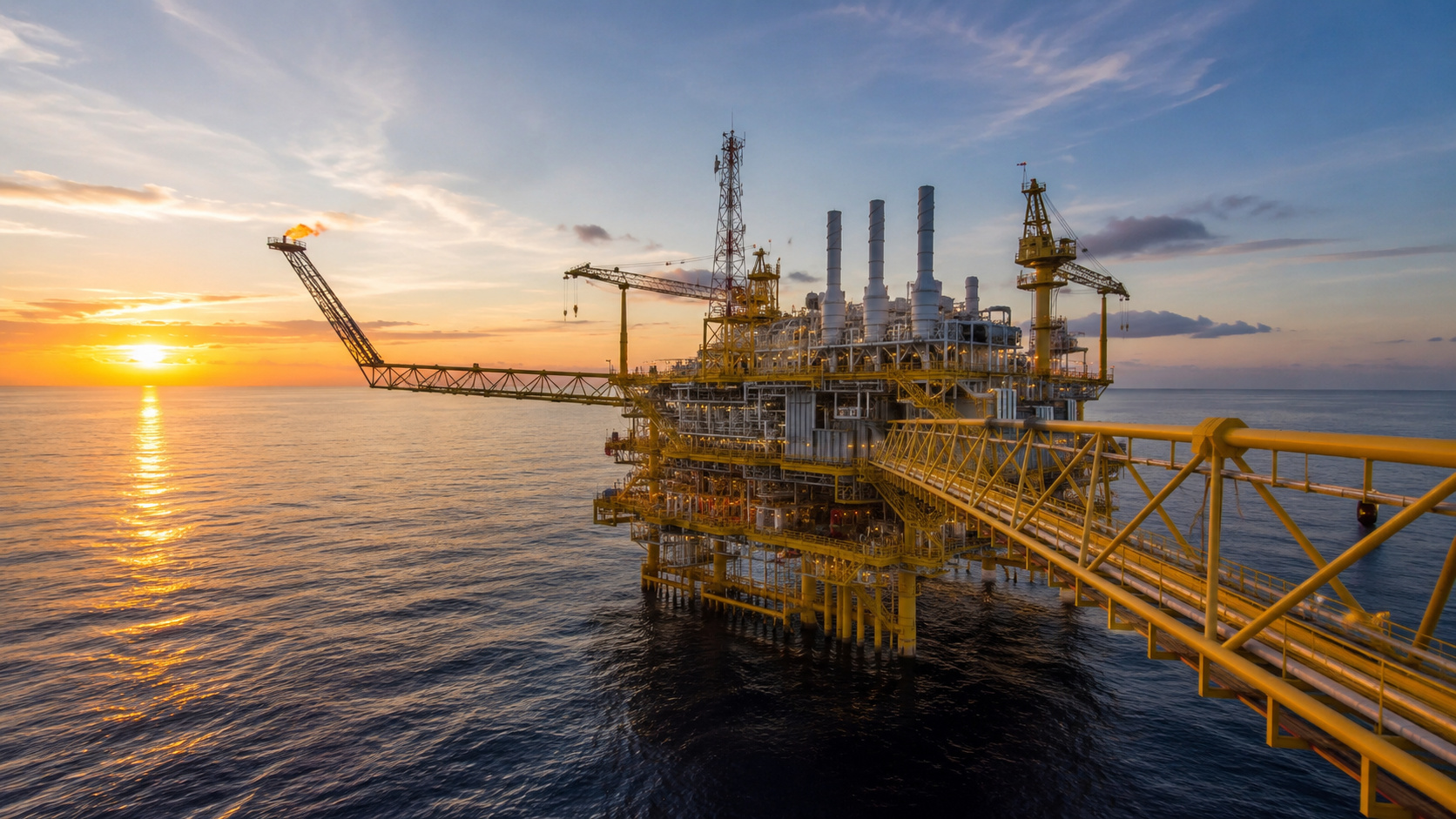


According to Energy Aspects, the average discount reached US$ 11 per barrel during this period. However, currently, this difference has fallen to about US$ 2, not accounting for transportation costs.
Washington Responds with Higher Tariffs
In August 2025, President Donald Trump accused India of financing the Russian war and doubled tariffs on Indian products to 50%. This decision, however, was met with surprise by Indian officials, who emphasized that Russian oil is not subject to direct sanctions.
In addition, they stated that the United States had accepted these purchases as long as they adhered to the cap of US$ 60 per barrel, set by the G7 to limit Moscow’s revenues. Therefore, Washington’s change in stance generated significant diplomatic tension.
Long-Term Contracts Strengthen Reliance’s Position
In December 2024, Reliance signed a 10-year contract with the Russian state-owned company Rosneft, ensuring the supply of 500,000 barrels per day. Shortly thereafter, the average volume in 2025 rose to 700,000 barrels per day, compared to 400,000 in 2024.
With this increase, the company’s revenues jumped from US$ 57.2 billion in 2021-22 to US$ 71.7 billion in 2024-25. Still, the company claims that Russian oil represents only 30% of the total processed and that profits also depend on the price of derivatives.
Europe Enforces Restrictions and India Assesses Impacts
In July 2025, the European Union announced that, starting in January 2026, it would restrict refined Russian oil products from third countries. This measure follows sanctions imposed on Nayara Energy, which has direct ties to Rosneft.
According to analyst Isaac Levi from the Center for Clean Energy and Air Research, this trade represents a “glaring loophole” in the sanctions. At the same time, Reliance has stated that it has a diversified customer base and already purchases enough oil from other suppliers to meet Europe’s needs.
On the other hand, the consultancy Kpler pointed out that Indian demand for Russian oil has decreased, especially among state refineries, while private companies are slowing down their purchases.
Domestic Market and Refinery Profits
The Indian government uses cheaper Russian oil to reduce subsidy costs and maintain refinery competitiveness. Thus, in March 2022, the barrel cost US$ 112.87 in the country; by August 2025, the price had dropped to US$ 71.17.
However, the price of gasoline in New Delhi has only decreased by 7% during this period, reaching ₹ 94.41. Still, between 2022-23 and 2024-25, dividends from major state refineries increased by 255%, reaching nearly US$ 1 billion.
What do you think should be a priority for India: maintaining contracts with Russia to ensure low prices and profits or reducing dependence to avoid trade tensions with the West?






sitenizi takip ediyorum makaleler Faydalı bilgiler için teşekkürler