






 Portuguese
  Spanish


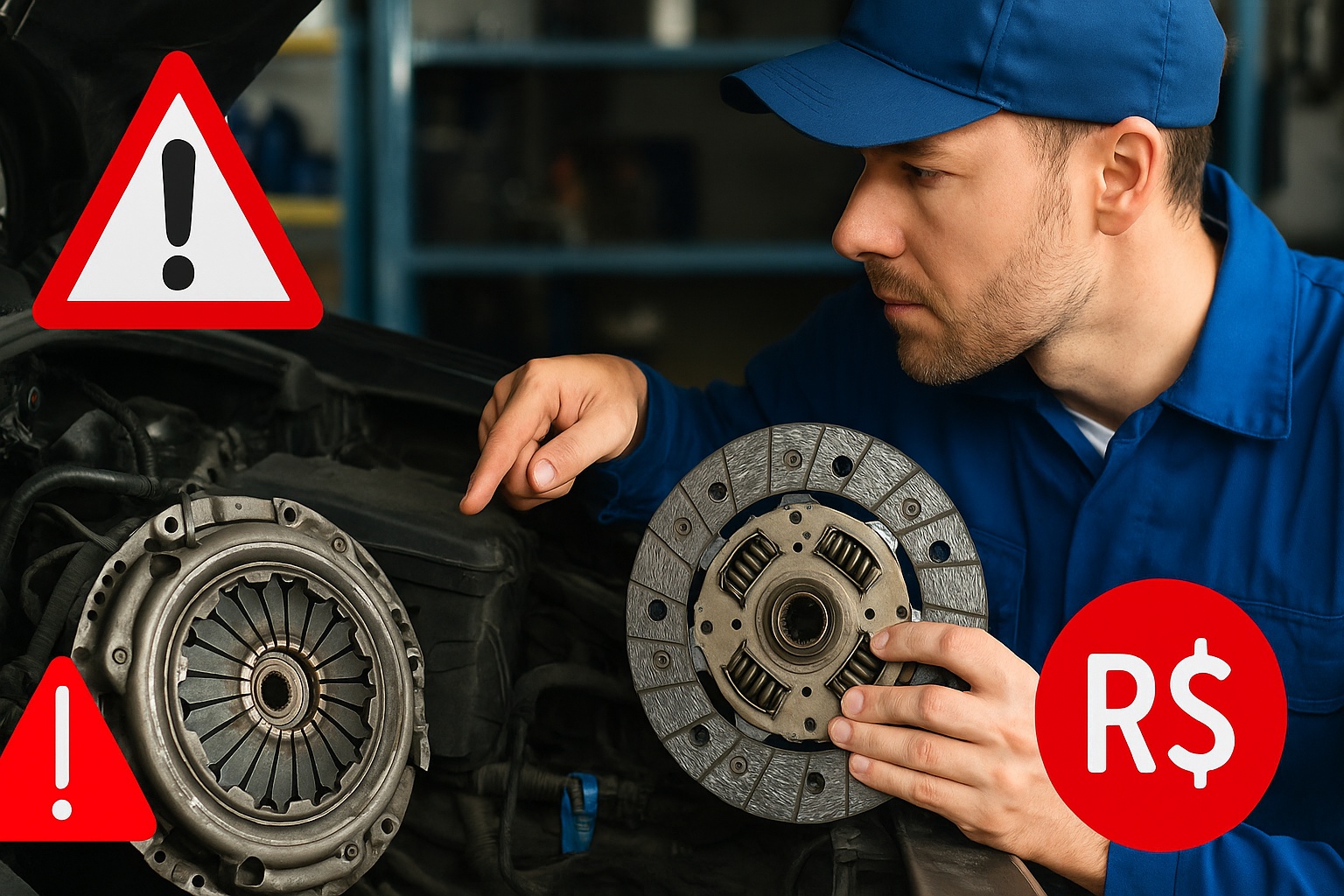


How To Identify Clutch Wear Before Total Failure. See The Main Symptoms And Avoid Spending Up To R$ 3 Thousand On Car Repairs
The clutch is one of the most important components of the car and, when it shows wear, it gives clear signs that can be perceived by the driver before a serious failure. The total cost to replace the clutch — including the complete kit (disc, pressure plate, and bearing) and labor — typically ranges from R$ 800 to R$ 2,500 for popular vehicles, and can be even higher for luxury or sports cars.
The most common symptoms include slipping (when the engine accelerates, but the car does not follow), difficulty shifting gears — especially first and reverse — and metallic noises when pressing the pedal. Although they may seem like simple issues, they can indicate that the assembly is nearing the end of its lifespan.
Identifying Clutch Wear Is Essential
According to experts, the clutch is one of the most worn items in vehicles with manual transmissions. On average, its durability ranges from 40,000 to 100,000 kilometers, depending on driving style and type of use.
-
Sales of Brazil’s Cheapest Electric Car Halted Before First Deliveries: E-Motors Suspends Emova Easy Due to Import Tax Increase and Rising Freight Costs

-
Nissan Discontinues Qashqai SUV Amid Cost-Cutting, Chinese Competition, and Product Line Review

-
BYD Patents Revolutionary System Using Computer Vision to Detect Animals Under Cars Before Starting, Preventing Tragedies

-
Study Reveals Why Cars Are More Expensive to Produce and Buy in Brazil Compared to Mexico, Highlighting Taxes, Logistics, and Industrial Costs as Key Factors.




The problem is that many drivers only notice the failure when the car is already experiencing severe difficulties, such as loss of traction on hills or nearly impossible gear shifts. At this stage, there is no alternative but to replace the complete kit (pressure plate, disc, and bearing), considerably increasing the cost of repair.
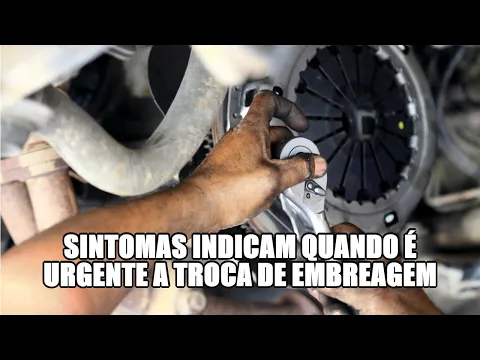

Identifying early signs of clutch wear means, therefore, preventive maintenance. Besides reducing expenses, it increases safety while driving, as a total failure of the part can leave the vehicle immobilized in traffic.
Main Symptoms Of Clutch Wear
The best-known sign is clutch slipping. It happens when the disc cannot transfer all the engine’s power to the transmission. The result is noticeable: the engine revs quickly, but the car takes time to gain speed.
This problem is common during overtaking or climbing when the engine demands more torque. If ignored, the symptom evolves until complete loss of traction, leaving the vehicle stuck.
Difficulty Shifting Gears
Another alert is the difficulty in shifting gears, especially first and reverse. In some cases, it is necessary to force the lever or insist for the transmission to accept the change. This symptom may indicate wear in the pressure plate or malfunction of the clutch bearing.
If the driver continues to drive with the problem, there is a risk of damaging the transmission, whose repair is much more expensive.
Noises In The Clutch Pedal
Squeaks and creaks when pressing the clutch pedal can be a sign of bearing wear or lack of lubrication in the system. This is an indication that the assembly is overloaded and needs immediate attention.
Hard Or Very Light Pedal
Changes in pedal resistance also reveal wear. An excessively hard pedal indicates failures in the cable or hydraulic system. When it’s too light, it may mean the disc has lost contact pressure with the engine flywheel.
Repair Costs And Impact On The Driver’s Pocket
According to specialists from Valeo, light-duty vehicles typically have labor costs starting at R$ 350, while the clutch kit (disc, pressure plate, and bearing) usually ranges from R$ 300 to R$ 1,000, depending on the model and quality of the parts.
Ignoring the symptoms can lead to even greater expenses. If the driver insists on continuing to drive, there is a risk of damaging the flywheel or synchronizers of the transmission, increasing the damage by more than R$ 5,000. However, this amount can vary depending on each case.
How To Extend The Life Of The Clutch
Transmission experts warn that many premature clutch wear issues are caused by poor driver habits, such as resting a foot on the pedal, holding the car on hills using the clutch, and shifting gears abruptly, increasing the need for kit replacement sooner than expected. Some simple practices help prolong durability:
- Avoid Resting Your Foot On The Pedal: Continuous pressure, even if light, stresses the disc and reduces its lifespan.
- Do Not Hold The Car On The Clutch On Hills: Use the handbrake, as the extra effort causes slipping and overheating.
- Shift Gears At The Right Time: Abrupt downshifts or accelerations harm the system.
- Keep Up With Maintenance: Specialized workshops can identify wear early.
Differences Between Clutch Systems
In older cars, the actuation was done by cable, requiring periodic adjustments because natural stretching altered the pedal height. Most modern vehicles, however, use hydraulic actuation, which is more comfortable and self-compensating, reducing the need for manual adjustments.
However, both are subject to natural wear of the disc, pressure plate, and bearing. What changes is how the driver perceives the symptoms. In hydraulic systems, for example, a low or soft pedal may indicate a leak in the master or slave cylinder.
Clutch Wear And Driving Safety
Besides the financial cost, driving with compromised clutch represents a safety risk. A car that loses traction during an overtaking maneuver can put the driver and passengers in danger. Similarly, the difficulty in shifting gears increases the chance of accidents at intersections and quick exits.
For this reason, mechanics recommend not delaying inspection at the first sign of a problem. Specialized workshops can identify wear through simple tests, checking noises, pedal response, and transmission operation.


