Portuguese
  Spanish


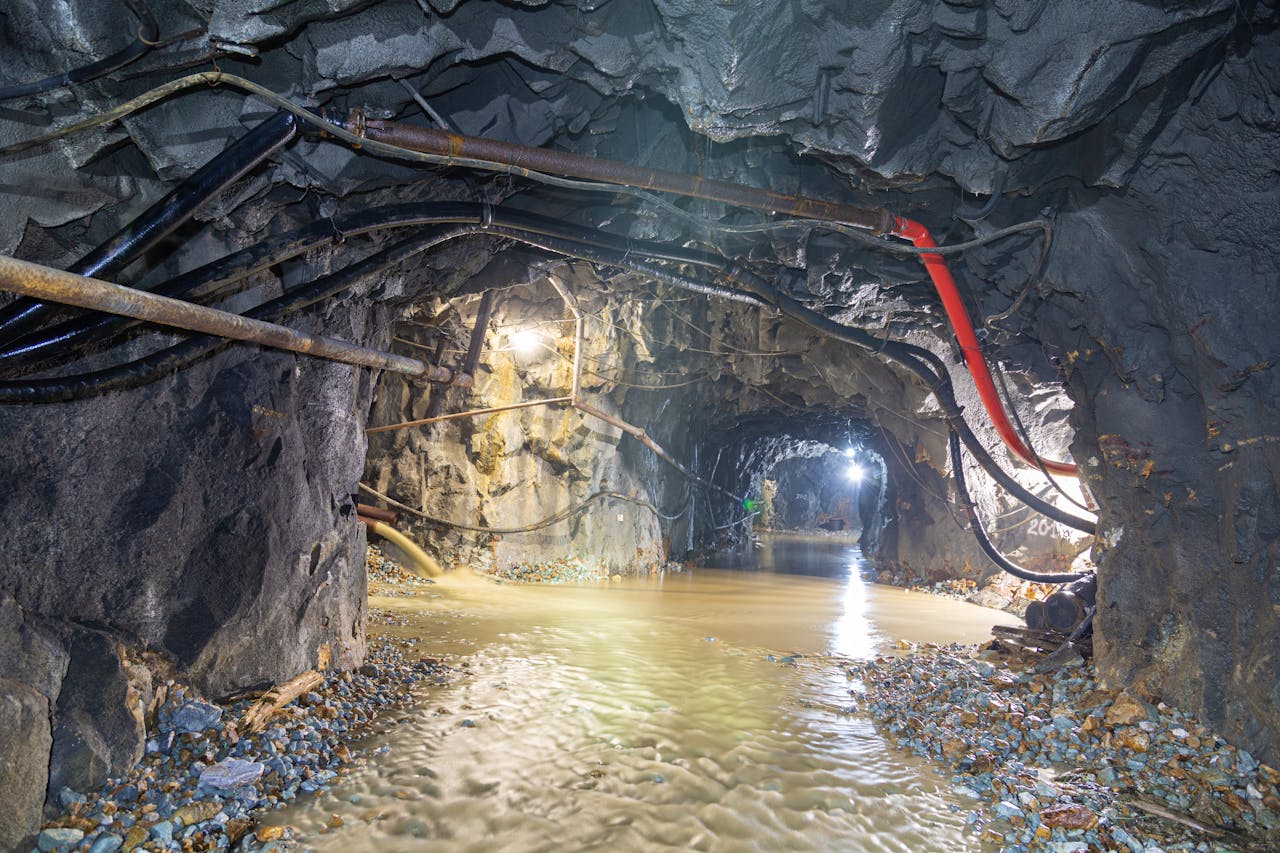

Abandoned Mines Could Turn into Gravitational Batteries for Energy Storage, According to Study. The Technology Could Reduce Costs and Create New Opportunities
Abandoned mines are often seen as useless structures. However, a study published in 2023 suggests that these spaces may have a new function: serving as gravitational batteries for storing energy.
The proposal comes from scientists at the International Institute for Applied Systems Analysis (IIASA) in Austria.
How a Gravitational Battery Works
Gravitational batteries are systems that generate electricity by releasing a heavy load, allowing it to fall. When there is excess energy on the electrical grid, the system uses some of that energy to lift the load again, storing electricity for future use.
-
Brazil Aims to Become a Global Exporter of Green Hydrogen, the Clean Fuel Set to Generate Billions

-
Brazil to Hold First Offshore Wind Energy Auction, Aiming to Become the Country’s New Hydropower
-
Brazil to Hold First Auction for Batteries to Store Solar and Wind Energy from the Northeast
-
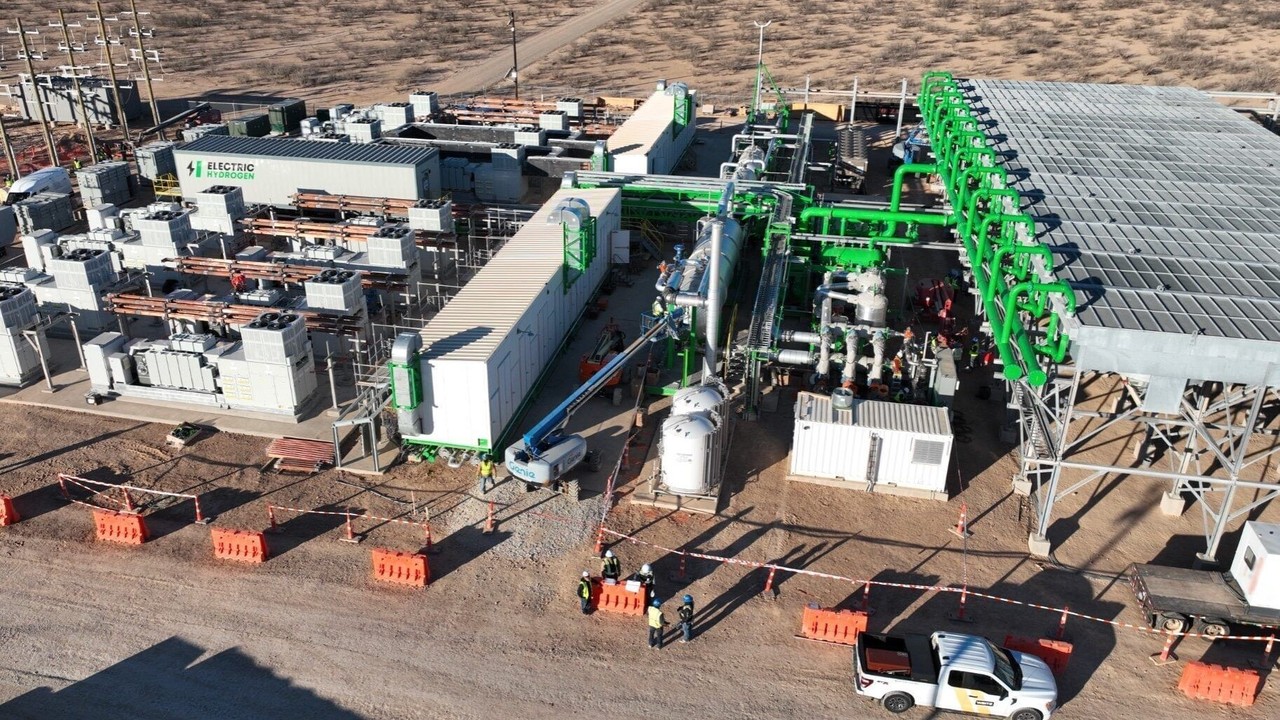
Brazilian scientists are simultaneously advancing two research projects on clean hydrogen and driving solutions that could transform the energy matrix, enhance industrial competitiveness, and accelerate large-scale emission reduction targets.


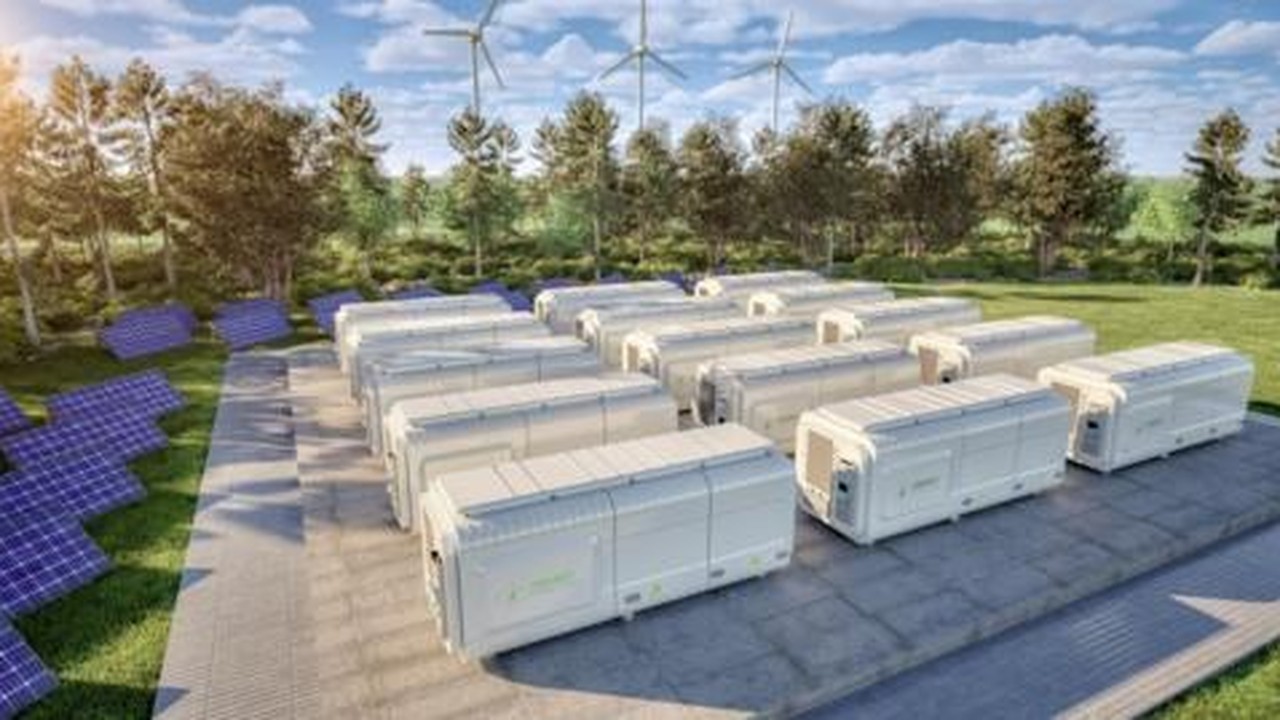

The most common example of this type of technology is the pumped hydro storage system. It works by releasing water from an elevated reservoir, driving turbines to generate electricity. When there is excess energy, this water is pumped back to the reservoir to be used later.
The IIASA researchers proposed an alternative to this system. In 2022, they suggested using elevators in tall buildings to move heavy loads between floors.
The descent would generate electricity through a regenerative braking system. Independent robots would assist in loading and unloading the weights as needed.
The Use of Abandoned Mines
The IIASA’s new proposal adapts this concept for abandoned mines. The system, called Underground Gravity Energy Storage (UGES), would use elevators in the shafts of these mines to move large amounts of sand.
The downward movement would generate energy, while excess energy from the grid would be used to lift the load again.
Each elevator would be equipped with motors and electrical generators on the sides of the shaft. These devices would capture the energy released during the descent and convert it into electricity. When it was necessary to store energy, the same system would spend part of it to lift the load back.
To maintain continuous operation, the elevators would unload the sand at the bottom of the shaft and return empty to the surface. Over time, the sand would accumulate at the bottom.
To avoid this problem, when there was surplus energy on the grid, some of the sand would be transported back to the surface via conveyor belts and dump trucks.
Global Potential of the System
Scientists estimate that the UGES could store between 7 and 70 terawatt-hours (TWh) of energy worldwide. The technology would be more viable in countries with many deactivated mines, such as China, India, Russia, and the United States.
Beyond the energy issue, the researchers highlight a positive economic impact. The closure of a mine usually results in the loss of thousands of jobs.
The UGES could alleviate this problem by creating new job opportunities and leveraging the existing infrastructure in mines. Since many of these facilities are already connected to the electrical grid, the cost of implementing the system would be reduced.
“When a mine closes, it lays off thousands of workers […] The UGES would create some jobs, as the mine would provide energy storage services after halting operations“, said Julian Hunt from IIASA, the lead author of a paper on the study. “The mines already have the basic infrastructure and are connected to the electrical grid, which significantly reduces costs and facilitates the implementation of UGES plants.“
Since the publication of the study, Hunt claims to have been approached by various technology parties. Among them, three mine owners, two investors, and three project developers have expressed interest in implementing the system in abandoned mines.
Additionally, the researcher states that he is developing new concepts for gravitational energy storage. These projects are expected to be presented to the public by the end of 2025.
With information from New Atlas.