Portuguese
  Spanish


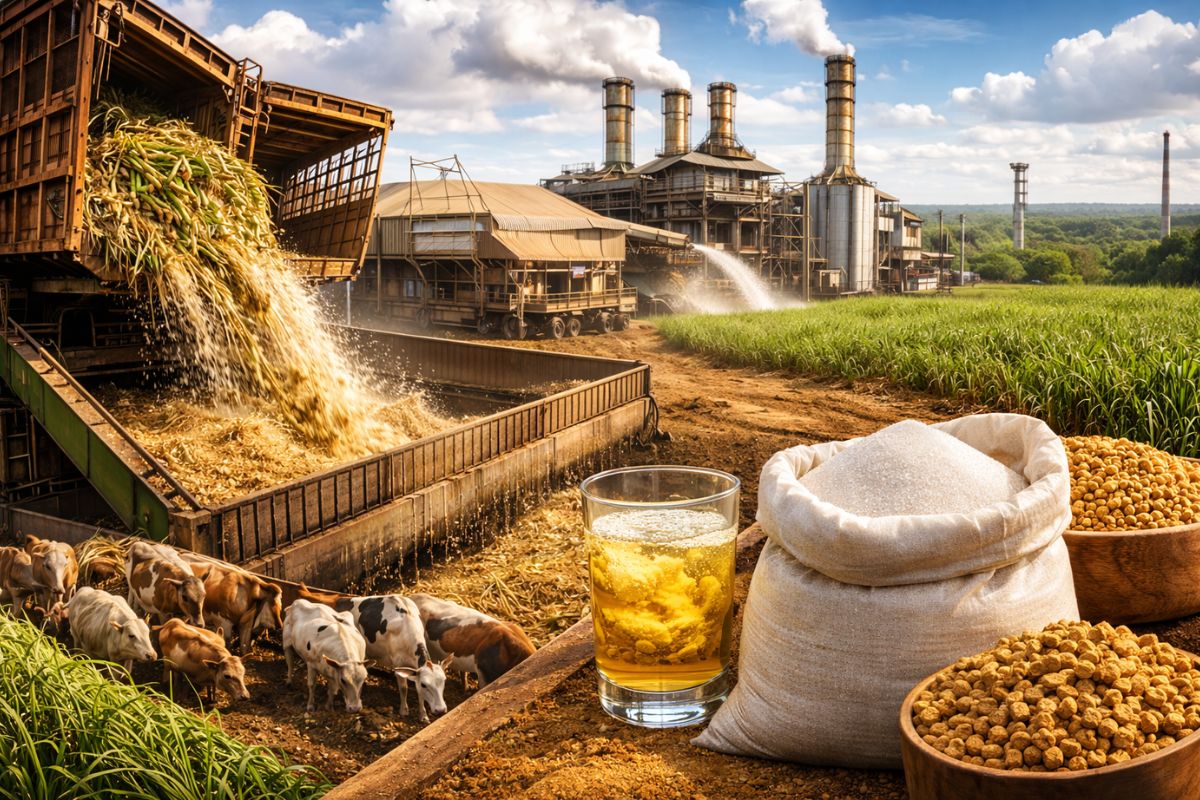

From Field to Plant, the Sugarcane Does Not Become Just Sugar in the Package. In a Few Hours, the Same Sugarcane Feeds the Soil, Generates Alcohol, Turns into DDG for Cattle, and Even Produces Electric Energy.
Before becoming a load on a truck, the sugarcane starts as a piece of stalk with buds. The producer does not replant every year. In many regions, the same sugarcane planting yields an average of five years of harvest, which reduces costs and soil movement.
The planting of sugarcane combines machinery and manual labor. First, the field is laid down, and the cane is cut whole, with long stalks. Then, these stalks are chopped into pieces with three buds, which are the “eyes” from where new plants will sprout. Each furrow receives three to four pieces per hole, forming a line of sugarcane ready to sprout and fill the field.
Modern Harvest, Without Burning the Sugarcane
When the sugarcane reaches the harvest point, the harvester comes in. No fire. The machine cuts, chops, and separates the cane from the straw, which remains on the ground. This layer of straw is now one of the most valuable parts of the field.
-
At 35, Lawyer Leaves Corporate Career to Turn 1-Hectare Farm into Organic Supplier for Schools in Southern Brazil

-
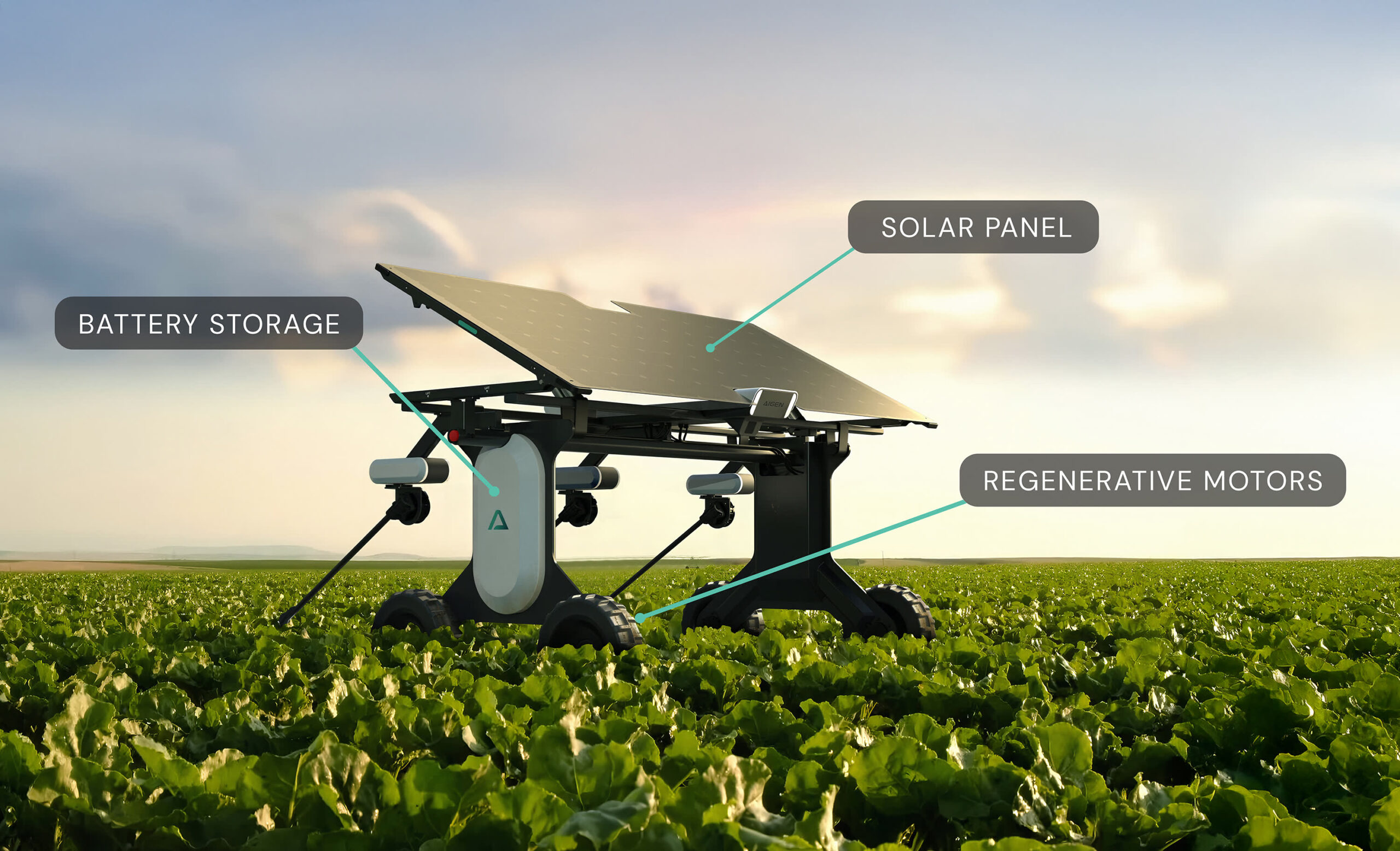
Solar-powered agricultural robots operate 24/7, remove weeds with 8mm precision, and aim to cut herbicide use without fuel consumption in the fields.

-
Brazilian Farmer Invents Low-Cost Tractor Using Motorcycle Parts, Efficiently Working 2 Acres on 1 Liter of Diesel

-
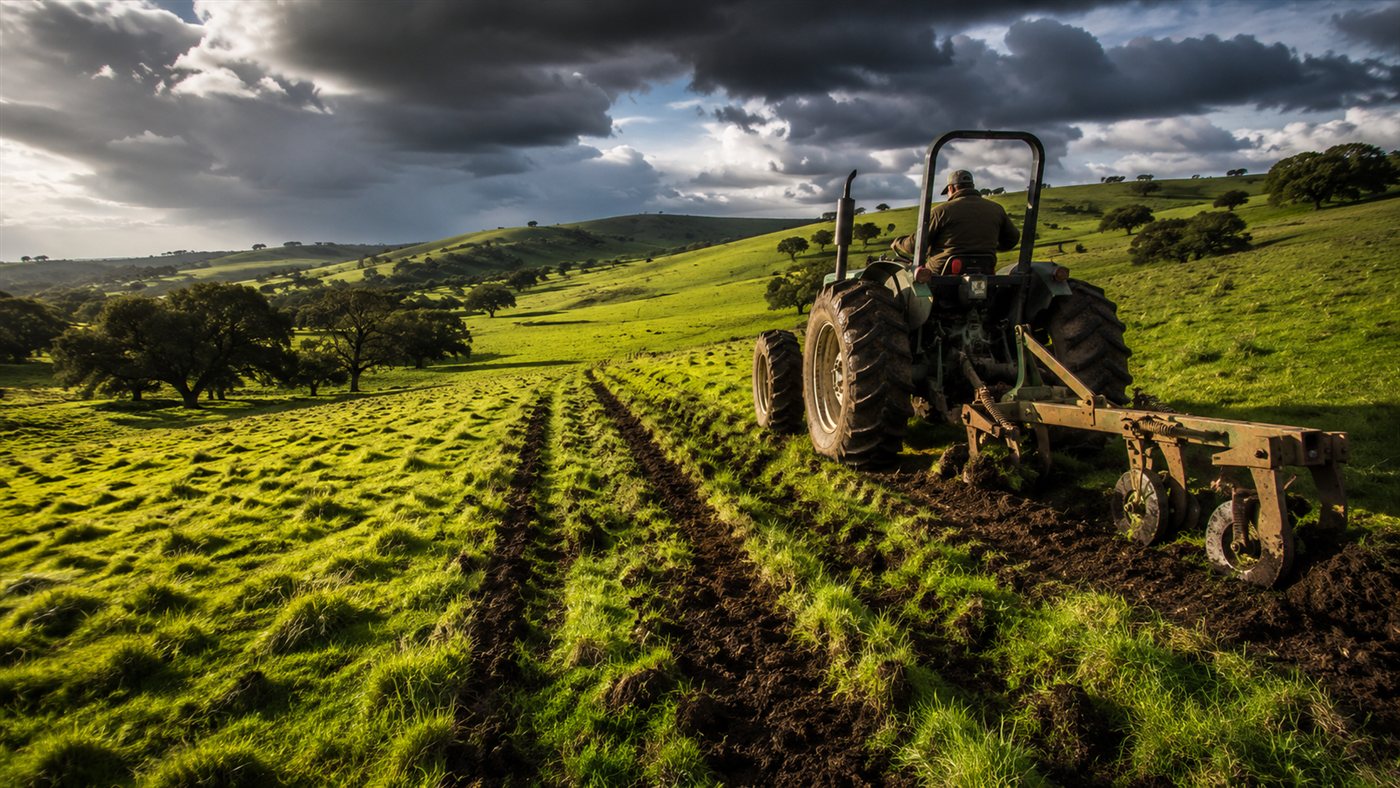
Regenerative Farmers Use Keyline Plow to Improve Pasture Hydration, Storing 1 Gallon of Water Every 30 Centimeters



Under the straw, the soil remains moist, even after days without heavy rain. The layer of organic matter protects the earth, helps retain water, nourishes soil life, and reduces the need for irrigation and tilling.
And it’s not just an agronomic issue. Burning sugarcane is prohibited, incurs heavy fines, and ruins years of soil building.
While the straw rests in the field, the useful part of the sugarcane continues its journey in the transports, which carry an average of 90 to 100 tons per load to the plant.
From the Arrival of Sugarcane at the Plant to the First Sugar Test

At the plant, the sugarcane arrives already chopped. The transports are disconnected, forming a “live stock” of raw material, and each load goes through the scales. Before thinking about sugar or alcohol, the cane needs to be analyzed.
A sample goes to the laboratory, which measures the sucrose content. The more mature the plant, the more sucrose the sugarcane accumulates, and the greater the potential for sugar and alcohol production.
The difference is clear: cane cut in the rainy season has almost no sweet taste, while cane harvested after the dry season concentrates much more sugar in the juice.
Meanwhile, on the preparation line, the chopped cane enters a conveyor belt that removes impurities such as dirt, loose straw, and leftover fertilizer. This is the first cleaning before milling.
Milling: How Sugarcane Turns into Juice and Bagasse
From the pre-cleaned state, the sugarcane goes to the defibrillator. There, rollers at high speed “break down” the pieces, increasing the surface area for easier extraction. Then, it starts its journey through the mill units.
The defibrated cane goes through a sequence of rollers that press the material with increasing pressure. With each mill unit, the juice flows out below while the bagasse continues on, becoming drier. In the last unit, a bit of water is added to wash the bagasse and draw out the remaining sucrose still trapped in the fiber.
At the end of the milling line, the process splits into two clear paths:
the juice follows as a liquid phase, the basis for sugar and alcohol, and the bagasse is treated as fuel and energy input.
From Juice to Crystal Sugar and Fuel Alcohol
The liquid part of the sugarcane is the juice rich in sucrose. It is directed to two main routes within the plant: sugar and alcohol. One part goes to the sugar factory, and another goes to the distillery, where it will be fermented and turned into ethanol.
In the production of crystal sugar, the juice is cleaned, concentrated, and converted into dense syrup. This syrup enters large pans and crystallizers, where the plant controls the desired crystal size.
Then, the sugary mass goes to centrifuges, which spin at high speed, wash the crystals, and separate the white sugar from the remaining syrup.
Each centrifuge completes rapid cycles, taking just over two minutes, generating bags of 50 kilograms of sugar that still go through steam-heated dryers. This is how the sweet substance that was hidden inside the sugarcane is made ready to be bagged and sent to the market.
DDG, Vinasse, and Filter Cake: What Comes Back to the Field and to the Trough


The plant does not just work to fill fuel tanks or sugar packages. Along the way, every part of the sugarcane generates byproducts that return to agriculture.
In the alcohol sector, one of the highlights is DDG, a highly nutritious food that bolsters the diet of ruminant herds.
DDG utilizes solids and nutrients that would remain from the process to become a feed rich in energy and protein, connecting farming and livestock into the same business.
In the liquid part, the vinasse that comes from the distillery and the filter cake from the juice treatment are treated as fertilizers.
These materials return to the fields, reincorporating potassium, organic matter, and other nutrients. In practice, the sugarcane harvested today helps fertilize the sugarcane that will sprout in the next harvest.
Energy: Bagasse That Turns into Steam, Turbine, and Light
What remains solid from the milling is the sugarcane bagasse. It is not waste; it is fuel. Some goes directly into the boiler, where it is burned in controlled furnaces.
The combustion heats water, produces steam, and that steam drives turbines that activate electric power generators.
The same plant that grinds the sugarcane generates the energy that powers the mills, choppers, centrifuges, and also produces surplus for the electrical grid.
In some cases, the generated volume reaches tens of megawatts, using basically what, in another context, would be just waste.
In the control room, operators monitor in real time the sugarcane conveyors coming in, bagasse fueling boilers, pressure in equipment, and energy flow.
It is a closed cycle: the sugarcane feeds the industry, and the industry feeds itself from the energy that the sugarcane provides.
A Plant That Does Not Sleep: Sugarcane in 24-Hour Mode
During the harvest, the rhythm is continuous. Trucks arrive, unload, return to the field, and the line does not stop.
It’s 24 hours a day of milling for about seven months, with sugarcane coming in from one side and sugar, alcohol, DDG, energy, and fertilizers coming out the other. Nothing is wasted; everything returns in the form of product, feed, or nutrients for the soil.
In the end, that sugarcane that seemed “just cane” carries an entire chain: farming protected by straw, a sugar-energy plant operating in a closed cycle, and livestock fed by high-value foods.
And you, when you look at a sugarcane plant by the roadside, did you imagine it could turn into sugar, fuel, feed, and energy at the same time, or are you still surprised by everything that comes from a single farm?