Portuguese
  Spanish


U.S. Dollar Hits Historical Mark of R$ 6 After Announcement of Lula Government Spending Cuts. Investors React with Pessimism.
The dollar hits 6 reais for the first time in history, according to InfoMoney, on Thursday, 28, in a day marked by strong instability in the financial market. The movement was driven by the announcement of Haddad’s fiscal package, revealed the day before, which generated frustration among investors and a climate of uncertainty about the direction of the Brazilian economy.
At 11:21 AM, the commercial dollar reached the historical record, surpassing a 1% increase compared to the previous day’s closing. Shortly after, at 12:22 PM, it was trading at R$ 5.99, consolidating one of the most tense days for the U.S. dollar in Brazil. The Stock Exchange also felt the impact: the Ibovespa fell 1.17% at the same time, marking 126,181 points. The index had already closed down 1.73% on Wednesday, reflecting market expectations for the federal government’s economic measures.
Investors Question Haddad’s Fiscal Package and Dollar Rises
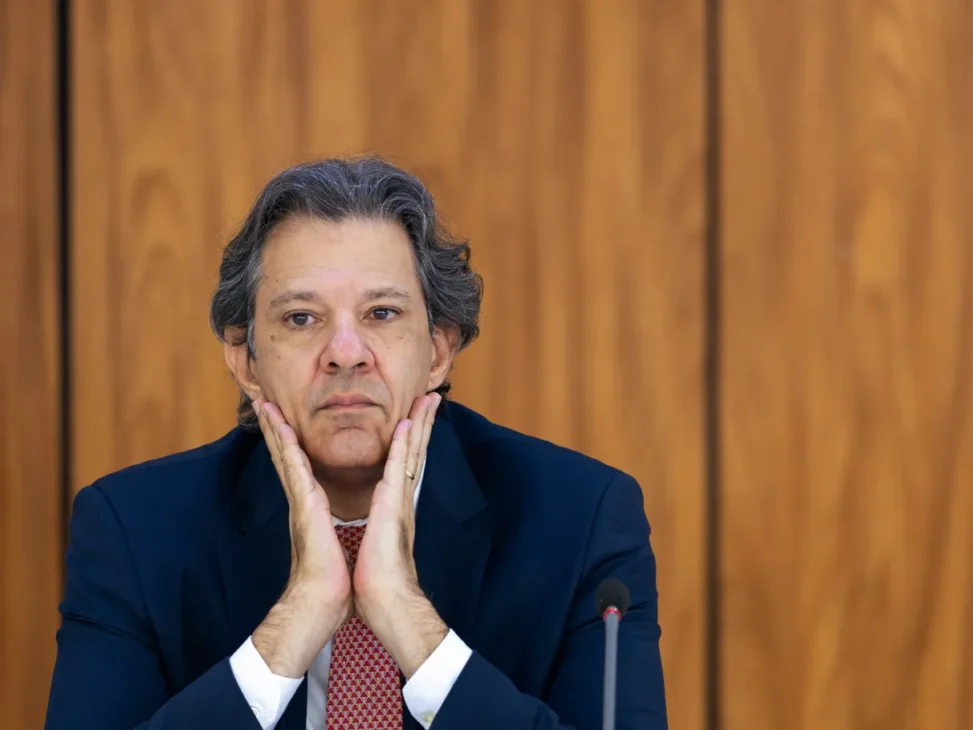
Haddad’s fiscal package, presented at a press conference, promised R$ 70 billion in savings over two years, but the details disclosed did not convince. Among the measures, highlighted is the exemption from Income Tax for those earning up to R$ 5,000 and taxing the so-called “super-rich.” However, analysts pointed out the absence of effective cuts in public spending as one of the factors that fueled distrust, thus causing the dollar to hit a record high against the Brazilian currency.
-
Brazilian Homebuyers Still Fall for Illegal “Drawer Contracts,” Risking Foreclosure and Long Legal Battles Without Deeds.

-
World’s Largest Pencil Factory, Producing 2 Billion Annually, Operates in a Brazilian University Town with Its Own Sustainable Forest

-
World’s Largest Banknote Printer is a British Private Company Producing Currency for Over 69 Nations
-
Europe’s Largest Hydrogen Truck Fleet Begins Operation with 125 Vehicles Emitting Only Water Vapor




Flavio Conde, an analyst at Levante Investimentos, stated that the plan was “discouraging” for not providing concrete guarantees of spending reductions. According to him, the increasing expenditure on social programs, such as Bolsa Família and Auxílio Brasil, also worries the market. In 2021, these programs cost the government R$ 31 billion, while in 2023 the amount jumped to R$ 175 billion. The projected savings for 2025, of only R$ 2 billion, were considered insufficient.
For Leonel Mattos, an analyst at StoneX, the postponement of the package’s announcement raised investor expectations, but the final result fell short of what was hoped for. “The government’s announcement ends up frustrating those expectations,” he assessed.
Haddad Details Proposals and Promises “More Equality”
Despite the criticism and the record dollar, Fernando Haddad maintained an optimistic tone at the press conference, highlighting measures to promote greater fiscal justice and structural adjustments. He announced that part of the parliamentary amendments would be redirected to public health, benefiting the SUS, and that the salary bonus would be guaranteed for workers earning up to R$ 2,640, with inflation adjustment.
The minister also promised greater equality in the treatment of military pensions, a long-standing demand from economists and experts. However, the absence of a clear plan to achieve the R$ 70 billion in savings raised doubts about the effectiveness of the measures.
Scenario of Uncertainties
The historic mark of the dollar hitting 6 reais for the first time reflects market pessimism regarding Haddad’s fiscal package. While the government tries to balance the budget and respond to criticisms, investors are adopting a more defensive stance, attentive to the next steps in economic policy. With the current instability, pressure on the economic team is expected to increase, especially concerning the execution of promises made on Thursday.