





 Portuguese
  English
  Spanish
  3 min of reading


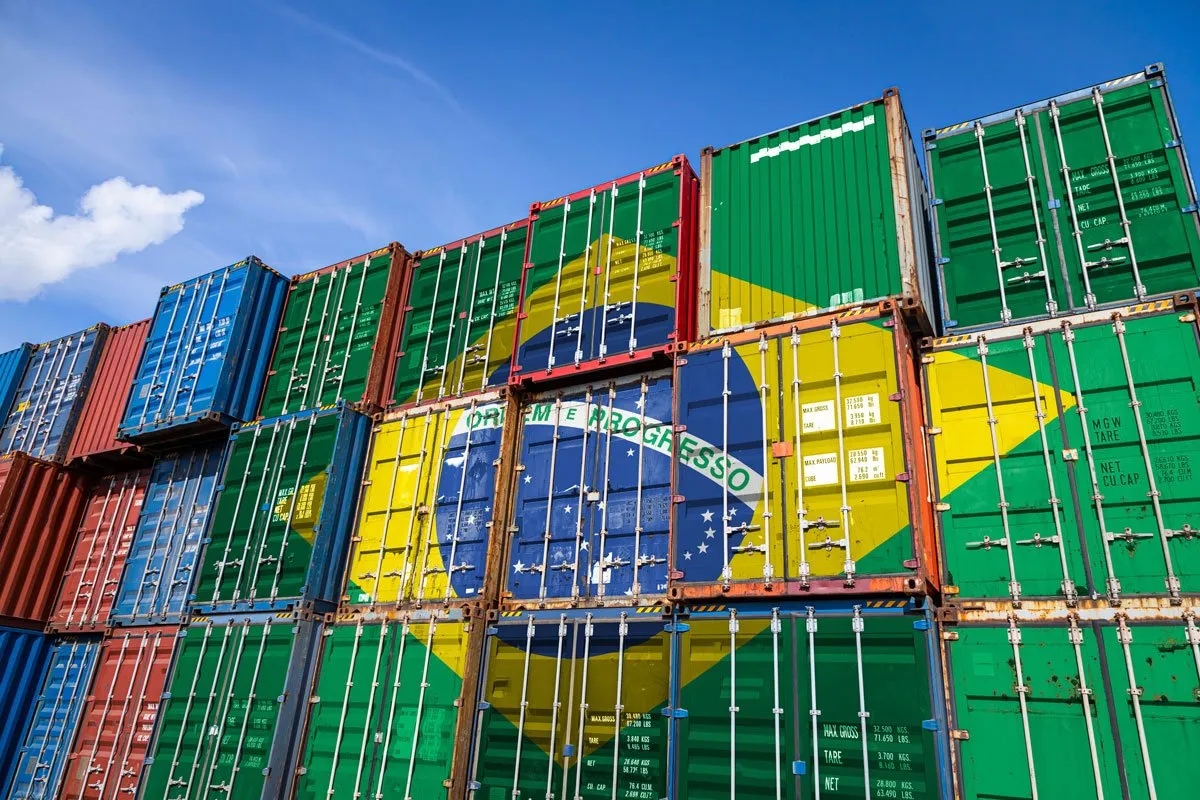
It Is Important for Companies Because It Means Lower Export Costs. The Service Discount Suspends Taxation on a Series of Services, Provided That Your Contract Is Directly Related to the Export of Goods.
The model, which came into effect on January 1, 2023, extends the moratorium on the use of services, which companies already benefit from when purchasing inputs for the industrialization of products to be exported. This discount was established by Decree 37/1966 and has since been updated by several other regulations.
Learn More About the System to Reduce Export Costs
Under the traditional model, the system suspends the collection of Import Tax (II), Tax on Industrialized Products (IPI), PIS, Cofins, and ICMS. For the moratorium to be exempt, companies must certify that the import or equivalent is used in products that will be subsequently exported. In the absence of proof, unpaid taxes will be charged with interest and fines.
The service tax was established last year through Law 14.440/2022, which inserted Article 12-A into Law 11.945/2009. The provision provides for the suspension of the contracting of 16 services by PIS/Cofins and PIS/Cofins Import, provided that they are directly related to the export of goods. However, the provision stipulates that for it to be effective, the new model of the system needs to be regulated by a joint ordinance of the Federal Revenue Service and the former Special Secretariat for Foreign Trade and International Affairs (Secint) of the economy.
-
Four years before Brazil launched PIX, India already had UPI, an instant payment system that today handles about 80% of the country’s digital retail and helped transform fintechs like Razorpay into billion-dollar companies.

-
BYD sues 37 Chinese influencers and places another 126 under surveillance in a defamation offensive accusing creators of spreading rumors about vehicle explosions and the automaker’s alleged financial instability.
-
City in the Northeast changes level with colossal egg factory that received R$ 72 million in investments, reached 2 million units per day, and boosts a region that accounts for only 17.6% of national production.
-
Brusque factory changes the 6×1 schedule to 5×2 without cutting salaries: company reduces workweek to 40 hours and turns Saturdays and Sundays into days off for most workers starting in July


According to data from the Organisation for Economic Co-operation and Development (OECD) quoted by the former Ministry of Economy, services accounted for an average of 35.7% of the value added of exports, meaning that the exemption would have a reasonable impact on companies.
Modalities
Currently, there are three modalities of drawback: suspension, exemption, and tax refund. The first two are administered by the Foreign Trade Secretariat – Secex, while the third is the responsibility of the Federal Revenue Service of Brazil – RFB, and is practically no longer used.
Drawback Suspension – Integrated Module: For the registration and monitoring of Drawback Concession Acts (AC) of the “suspension” modality.
Drawback Integrated Exemption: For the registration and monitoring of Drawback Concession Acts (AC) of the “exemption” modality.
Drawback Suspension – Blue Module: For the registration and monitoring of special operations of the “Vessel” and “Supply in the Domestic Market” (FMI) types.
What Are the Export Costs?
Understand what the main export costs are:
· Fiscal classification. The correct fiscal classification can determine the success or failure of a business.
· Agreements with target countries.
· Transportation.
· Technology.
· Customs transit.
· Customs regulations.




Be the first to react!