Portuguese
  Spanish


BRICS Powers Sign Military Agreement That Could Change the Defense Sector. Indonesia and India Close Billion-Dollar Deal for BrahMos Supersonic Missiles.
Indonesia and India, two BRICS powers, have finalized a deal worth US$ 440 million, equivalent to R$ 3.8 billion, for the export of BrahMos supersonic missiles, expanding military cooperation among the members. The contract was announced last Tuesday (29), and includes versions of the missile capable of being launched from aerial, land, sea, and submarine platforms.
BRICS Powers Sign Military Agreement for Missiles That Reach Mach 2.8
Developed in partnership with the military giant Russia, the supersonic missiles can reach speeds of Mach 2.8, nearly three times the speed of sound, in addition to delivering a range of 400 km, with precision regardless of weather conditions.
The negotiation, where BRICS powers sign a military agreement, took place during the state visit of Indonesian President Prabowo Subianto to India (January 23-26), which generated five memorandums of understanding in the areas of health, traditional medicine, digital development, maritime cooperation, and cultural exchange.
-
European Parliament Approves Digital Euro, Aiming to Challenge Visa and Mastercard’s Dominance and Transform Payments Across Europe by 2029

-
U.S. Navy’s Ticonderoga-class Cruiser Becomes a 9,800-Ton Missile Fortress with Advanced Aegis System Capable of Tracking Hundreds of Targets

-
France’s Charles de Gaulle: The Sole Nuclear-Powered Aircraft Carrier Outside the US, Weighing 42,500 Tons and Equipped with Two Atomic Reactors

-
Israel finds Hezbollah militarized tunnel over 200 meters long under village, with 4 missile launch shafts, 12 chambers, anti-tank missiles, drones, and weapons depots at a depth of 25 meters.


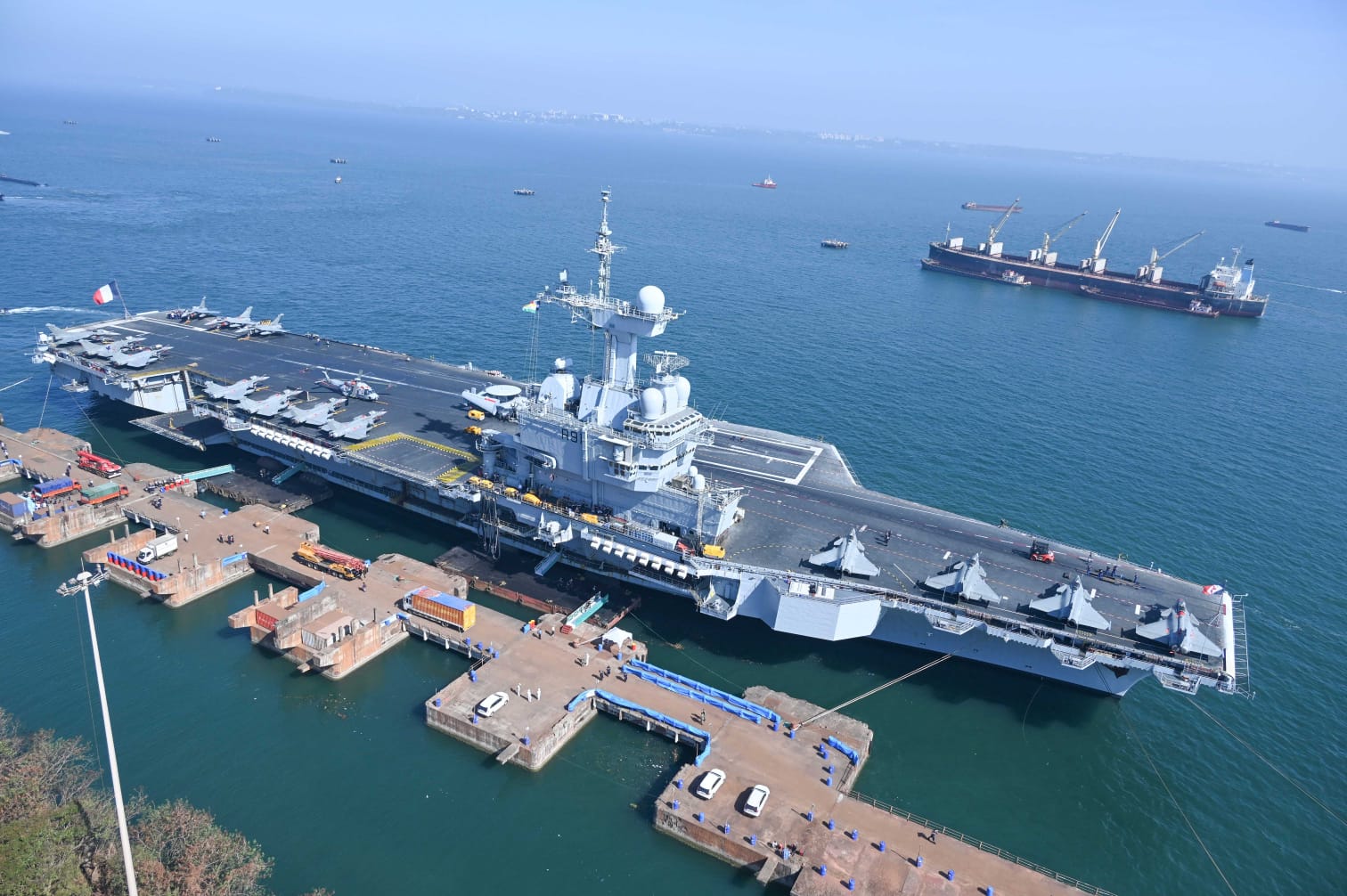

Indian authorities highlighted Jakarta’s interest in collaborating on the development of aircraft carriers, a technology that few countries master, including India. This agreement for the supersonic missiles is India’s second major defense contract in the region. In the first, in 2023, the Philippines purchased BrahMos supersonic missiles for US$ 335 million, with deliveries underway.
Malaysia, Vietnam, and nations in the Middle East have also expressed interest in the system. Narendra Modi, the Prime Minister of India, emphasized Indonesia as an essential partner in the Indo-Pacific, reinforcing commitments to “regional peace and freedom of navigation.”
Understand the Importance of the Partnership Between Countries
The agreement strengthens BRICS’s influence in the global defense sector, historically led by Western powers. Russia, the co-developer of BrahMos, is a founding member of the bloc, while Indonesia joined in 2025.
BRICS powers are signing a military agreement amid geopolitical tensions across the entire Indo-Pacific axis, with Asian countries strengthening their military capabilities.
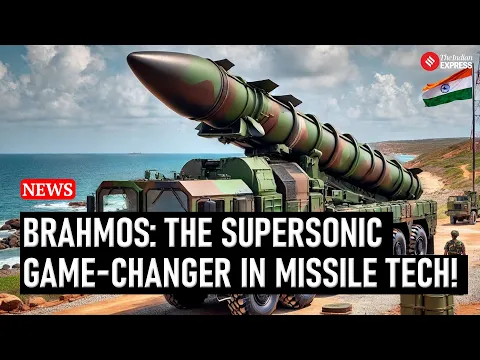

The supersonic missiles are the result of a joint venture between India’s Defence Research and Development Organization (DRDO) and the Russian NPO Mashinostroyeniya, carrying warheads of 200 to 300 kg, making it one of the most advanced missile systems in the world.
Many experts believe that the missile purchase is part of Indonesia’s broader strategy to enhance its naval power and modernize its armed forces amid rising security concerns regarding China’s territorial ambitions and assertiveness in the region.
Brazil Also Plans to Purchase Supersonic Missiles
It is important to highlight that Brazil is also in talks to acquire the BrahMos. Indian media reported in 2024 that President Lula, in his discussions with Indian Prime Minister Narendra Modi, expressed the desire to expand bilateral cooperation in strategic sectors such as defense, space technology, and aerospace.
During the meeting, the leaders explored ways to enhance defense ties between the countries. According to reports, President Lula highlighted the country’s interest in consolidating space and defense initiatives.
The Gripen fighters, used by the Brazilian Air Force (FAB), are seen as ideal for launching the supersonic missiles, especially due to their lower weight and size compared to the first-generation long-range missile version. Information from Indian websites also mentions that the Brazilian Navy is considering deploying the missiles on its future Riachuelo-class nuclear submarines, as well as on Scorpene-class submarines.