Portuguese
  Spanish


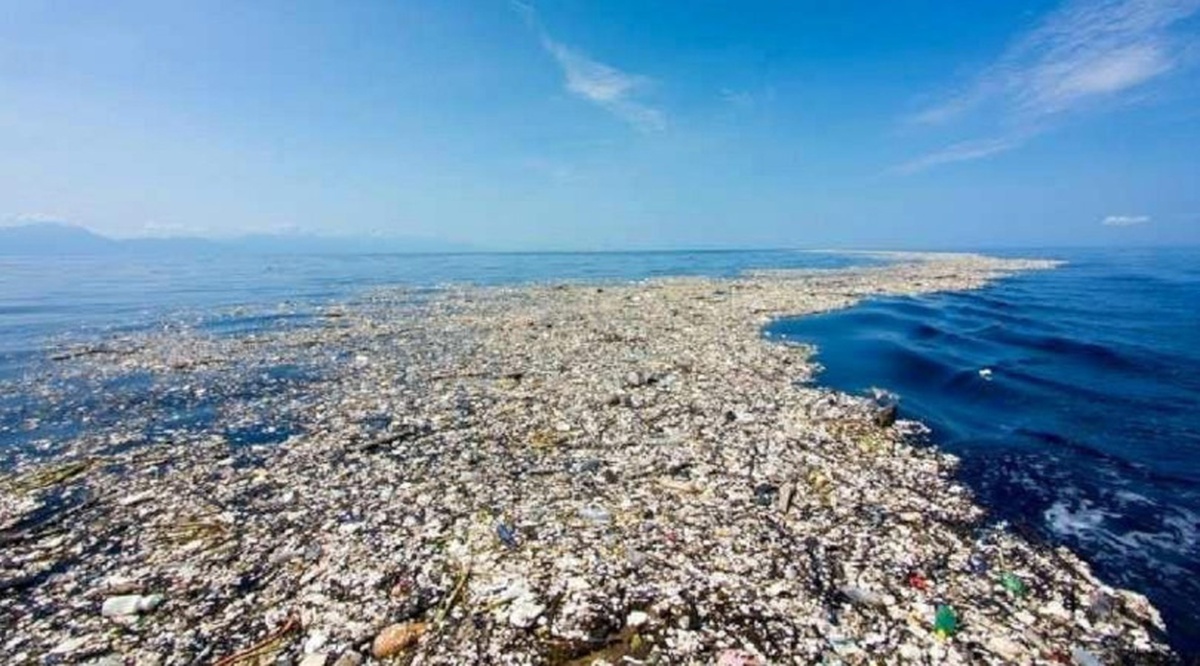

A New Marine Environment Forms Over Plastic Waste and Reveals Significant Changes in the Ecological Dynamics of the North Pacific
The Great Pacific Garbage Patch, located between California and Hawaii, has become an environment that hosts entire communities of coastal animals, as accumulated plastic waste serves as a support for various species. This scenario has transformed an area that was once considered devoid of life. Additionally, researchers have identified that animals that typically live near the shore are now establishing themselves in the open sea continuously.
Increasing Presence of Coastal Species on Plastics
Because recent expeditions collected over 100 pieces of plastic larger than 15 centimeters, it became evident that nearly all contained organisms attached to their surfaces.
As a result, barnacles, crabs, sea anemones, and hydroids were found living on the waste, despite these species typically being associated with rocky coastal environments.
This leads to a fundamental observation: these species are surviving and reproducing directly in open water.
Furthermore, a total of 46 species were identified, most of which originated from coastal zones, reinforcing the ability to establish themselves in an environment far from shore.
Complete Life Cycles Found in the Laboratory
Consequently, during laboratory analyses, researchers identified females with eggs and groups of varying sizes sharing the same plastic object.
Therefore, this pattern demonstrates that the animals are not only being transported by currents but are completing their life cycles on the waste.
In addition, nets, ropes, and rigid plastics act as floating platforms, providing shelter and space for attachment, favoring species with accelerated reproduction.
Thus, waste becomes artificial structures capable of sustaining entire populations.
-
Green Roofs on Homes Gain Popularity for Reducing Heat, Noise, and Rain Impact in Brazil

-
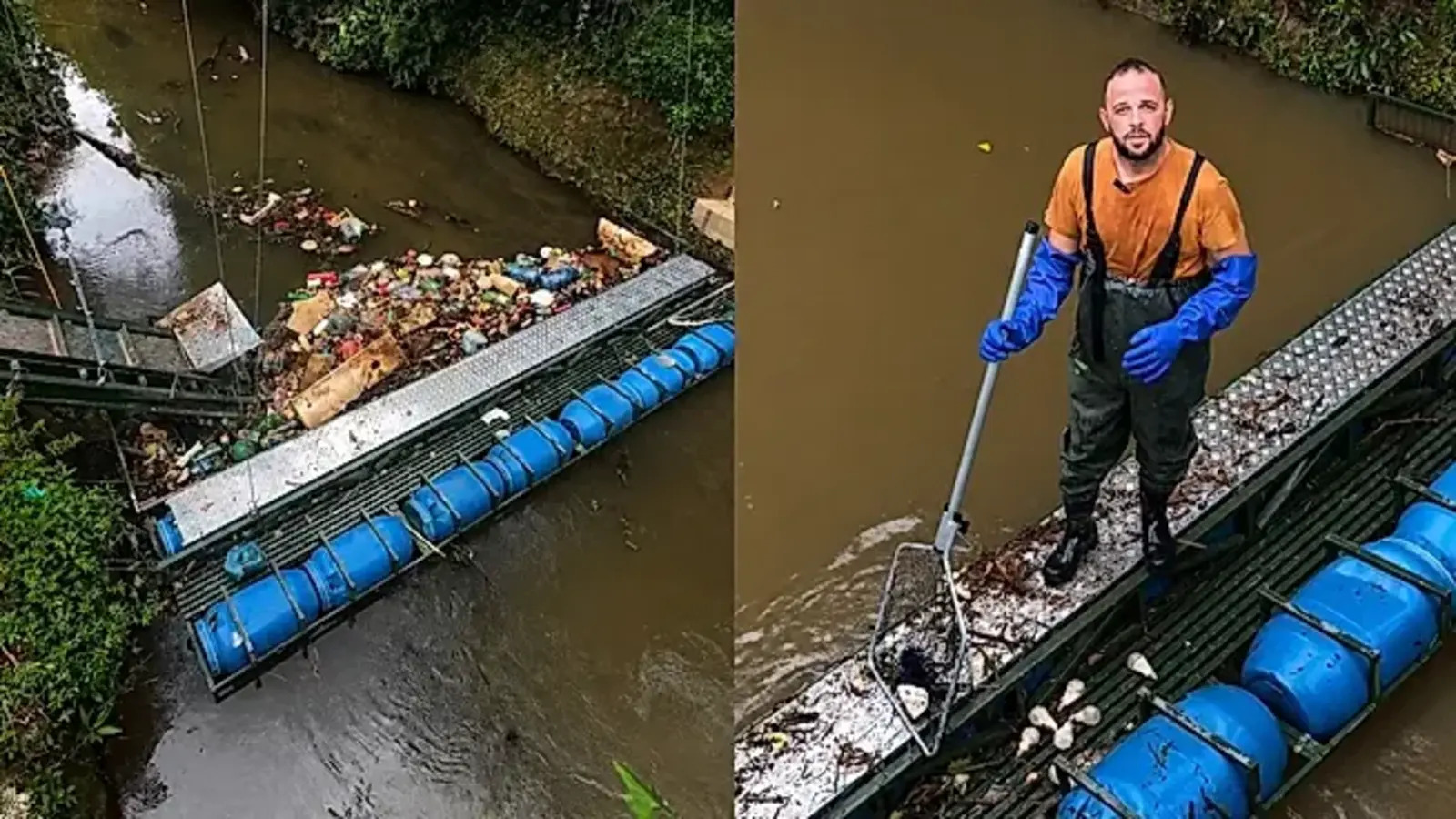
Brazilian promises his children to save a river, creates an eco-barrier in his backyard, has already removed more than 40 tons of trash from the water, and even inspires the idea in other states of the country.

-
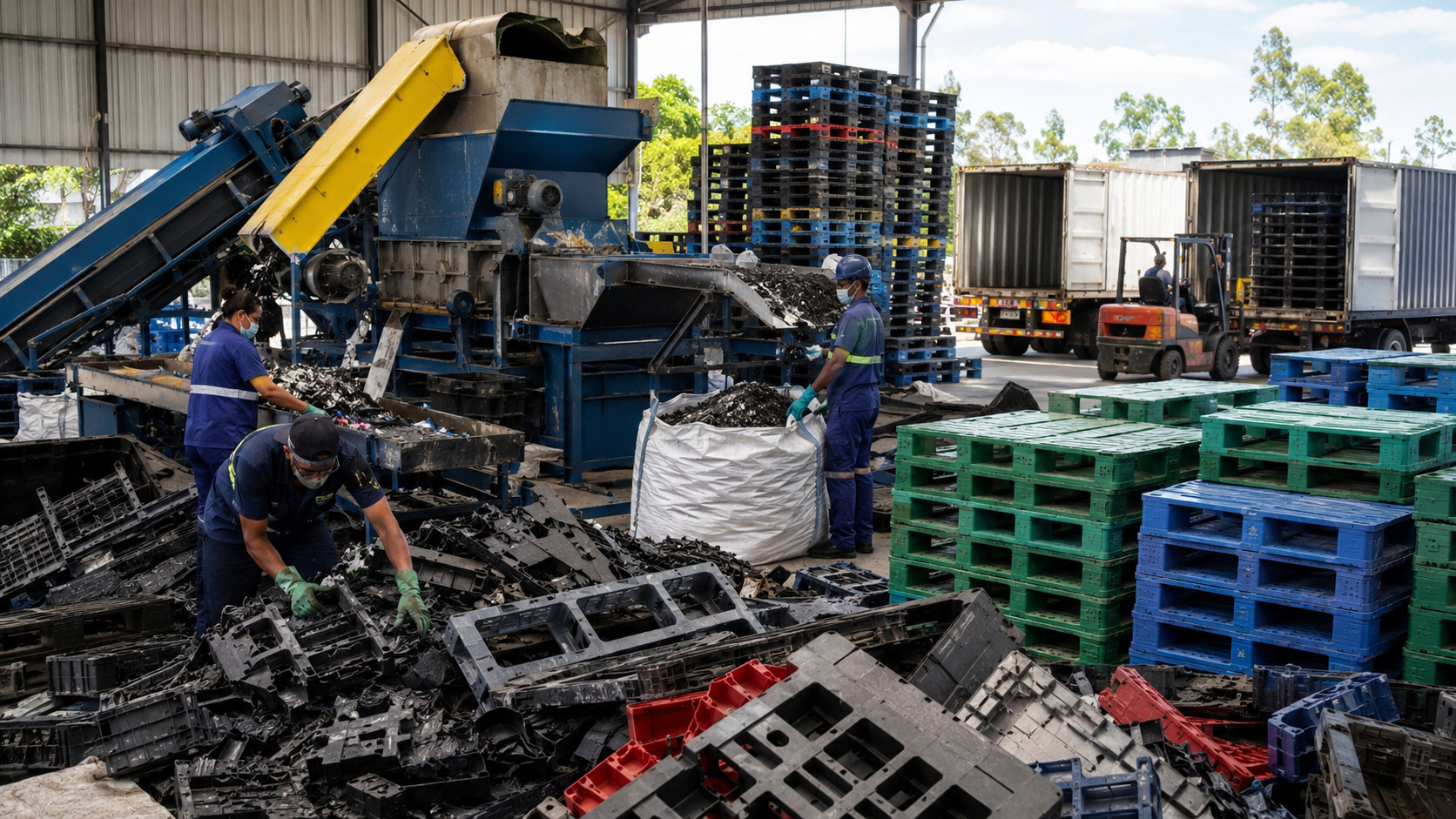
How a Brazilian company created a system that transforms broken pallets of any brand into new assets, recycles 80 tons of plastic per month, and found a profitable solution to a problem that challenges industries across the country.
-
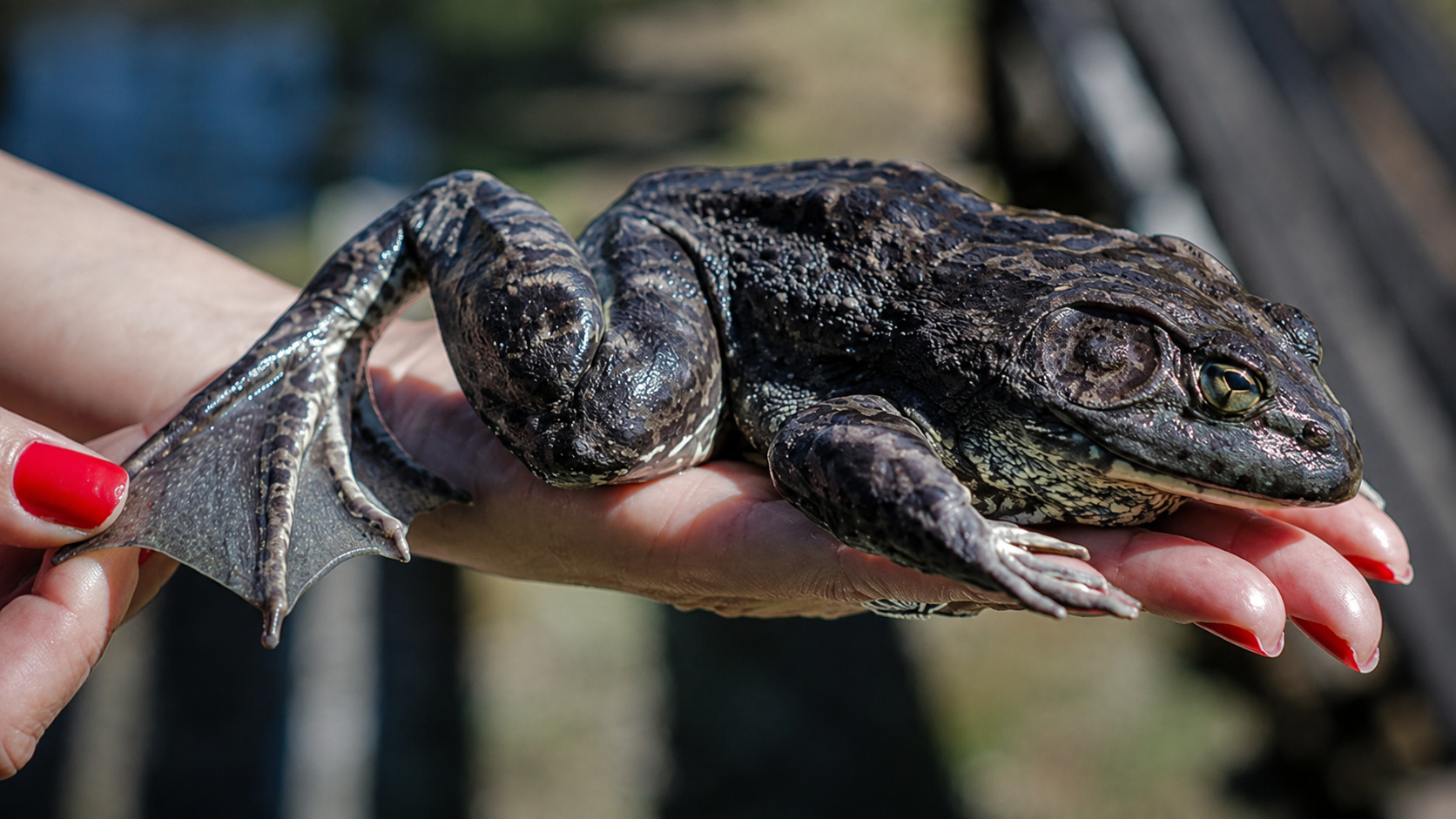
Invasive bullfrog capable of devouring other amphibians and laying up to 20,000 eggs is found in Florianópolis, raising an alert about the threat to native fauna.

A New Ecosystem Modifies the Environmental Balance
Thus, the constant presence of durable plastics transforms the region into a conducive environment for sustaining populations of coastal species.
As a result, a possible ecosystem emerges in which deep-sea animals coexist with organisms that should be restricted to the shore.
This coexistence raises concerns among specialists because coastal species so far from their habitat can modify food chains and cause ecological imbalances.
Consequently, there is also an increasing risk of the emergence of invasive species in regions previously protected by natural isolation.
How Plastic Remodels Ecosystems
Therefore, it is clear that the continuous accumulation of plastic waste goes far beyond visual impact or accidental ingestion by marine animals.
Moreover, the material creates artificial structures that allow the formation of entire communities in remote areas, consolidating a new type of environment in the ocean.
This process highlights profound changes in ecological dynamics, although it directly depends on the permanence of floating waste.
Thus, the North Pacific witnesses a structural transformation driven exclusively by the accumulation of plastic.