






 Portuguese
  Spanish


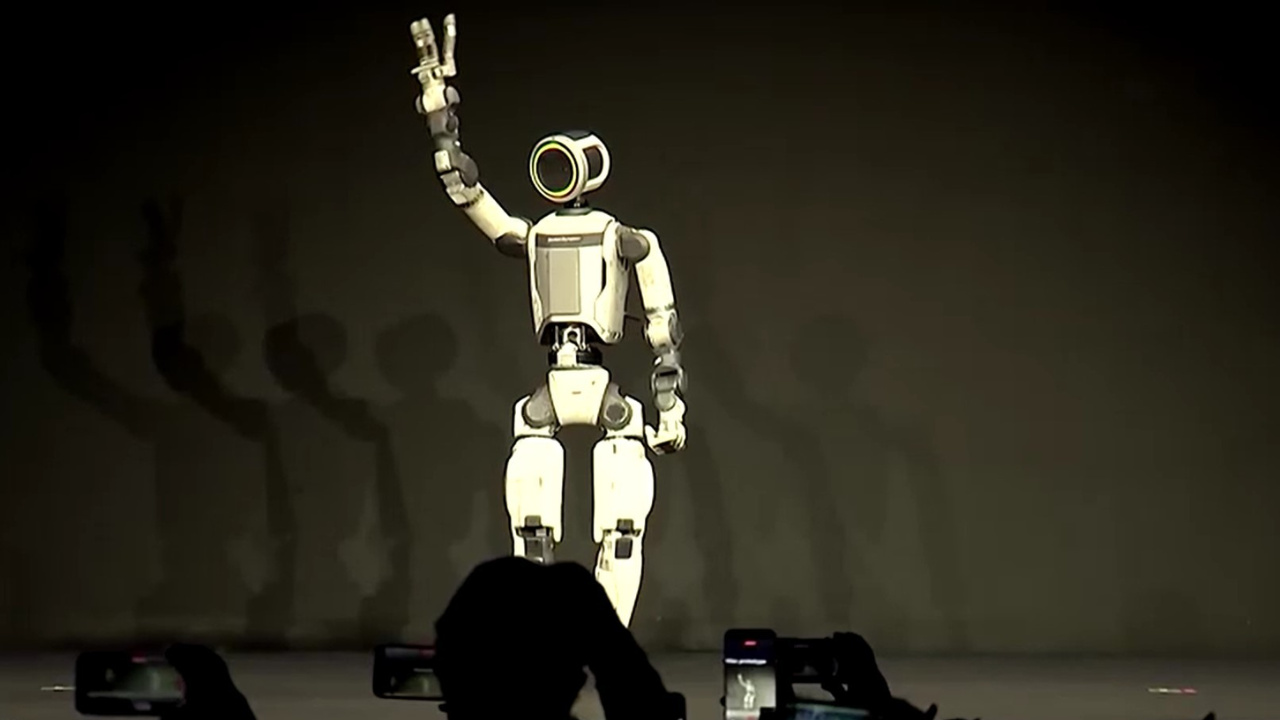

Hyundai Announces That Intelligent Humanoid Robots Will Begin Operating in Its Factories Starting in 2028. With Support from Boston Dynamics and Nvidia, the Machines Promise to Revolutionize Automotive Production and Generate Debates About the Future of Work.
The advancement of humanoid robots has ceased to be merely a topic of futuristic films. Now, it is approaching the factory floor. Hyundai has confirmed that it will begin utilizing intelligent robots in its production lines starting in 2028, in an initiative that promises to radically transform the way cars are manufactured.
These machines don’t sleep. They don’t receive salaries. They don’t require special lighting or air conditioning. Furthermore, they can learn tasks independently. This new scenario raises an uncomfortable question: to what extent will human labor be necessary within industries?
A Project That Unites Technology Giants
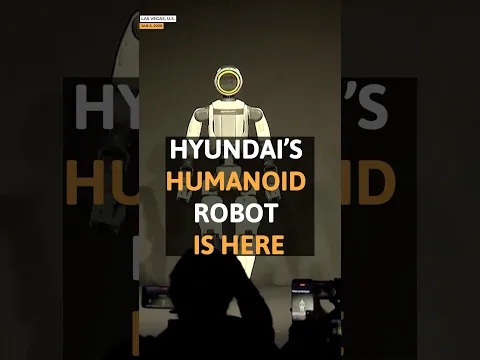
Hyundai’s humanoid robot, named Atlas, was developed in partnership with Boston Dynamics, one of the world’s most advanced companies in robotics. The project also has support from Nvidia, which is responsible for the artificial intelligence system that allows the robot to evolve and adapt to new functions.
-
House Left Isolated in the Middle of New Chinese Highway as Owner Refuses Compensation Deal, Construction Continues Around the Property

-
Venetian Factory Luigi Bevilacqua Crafts Velvet by Hand on 18th-Century Looms, Producing Just 30 Centimeters a Day

-
From Customer Service to Pipeline Welding: She Becomes the Second Female Welder in Utility’s History, Now Leading a Team in San Diego
-
Controversial 262-Meter Skyscraper in New York Blocks Empire State Building View, Offers 26 Luxury Apartments Priced Up to $18 Million




According to the South Korean automaker, the Atlas was designed to operate in existing factories. This means it doesn’t need special structures. It integrates into the current industrial environment and adjusts according to business demands.
The company itself states: “The Atlas is built to integrate into pre-existing factories, ensuring flexibility by adapting to the needs that arise from businesses, ensuring safety, reliability, and predictability”.
Impressive Capabilities
The Atlas is a versatile robot. It can learn complex tasks without the need for long training sessions. Each unit can carry up to 50 kilograms and perform physically intensive activities.
Additionally, it operates in extreme temperatures, ranging from -20 °C to 40 °C. The robot is waterproof, can be washed, and even changes its own battery without human assistance.
Another noteworthy point is its “brain.” The artificial intelligence system allows the robot to evolve, learn new patterns, and refine its actions as the environment changes.

According to Hyundai, the humanoid robots will begin their activities in 2028, at the factory in Savannah, United States. Initially, they will perform simple and highly repetitive tasks, such as sequencing parts.
By 2030, their functions are expected to expand to the assembly of vehicle components. This way, the company hopes to reduce physical risks for human employees.
The automaker claims that the goal is to replace people only in extremely heavy or dangerous activities. Thus, workers can transition to supervisory roles.
Other Automakers Also Join the Race
Hyundai is not alone. BMW has already tested humanoid robots called Figure 02, which successfully collected and assembled car body parts.
Mercedes-Benz and Chinese automakers are also making progress with similar projects. However, the one that promises to go further is Tesla.
Elon Musk is betting on the Optimus robot, which would not only work in factories but could also act as a personal assistant. According to Musk, the model will have sensors that mimic human touch, being able to hold an egg without breaking it.
If companies replace employees with robots, who should be held responsible for unemployment: the government or the companies themselves?


