






 Portuguese
  Spanish
 5 min of reading
  0 comments


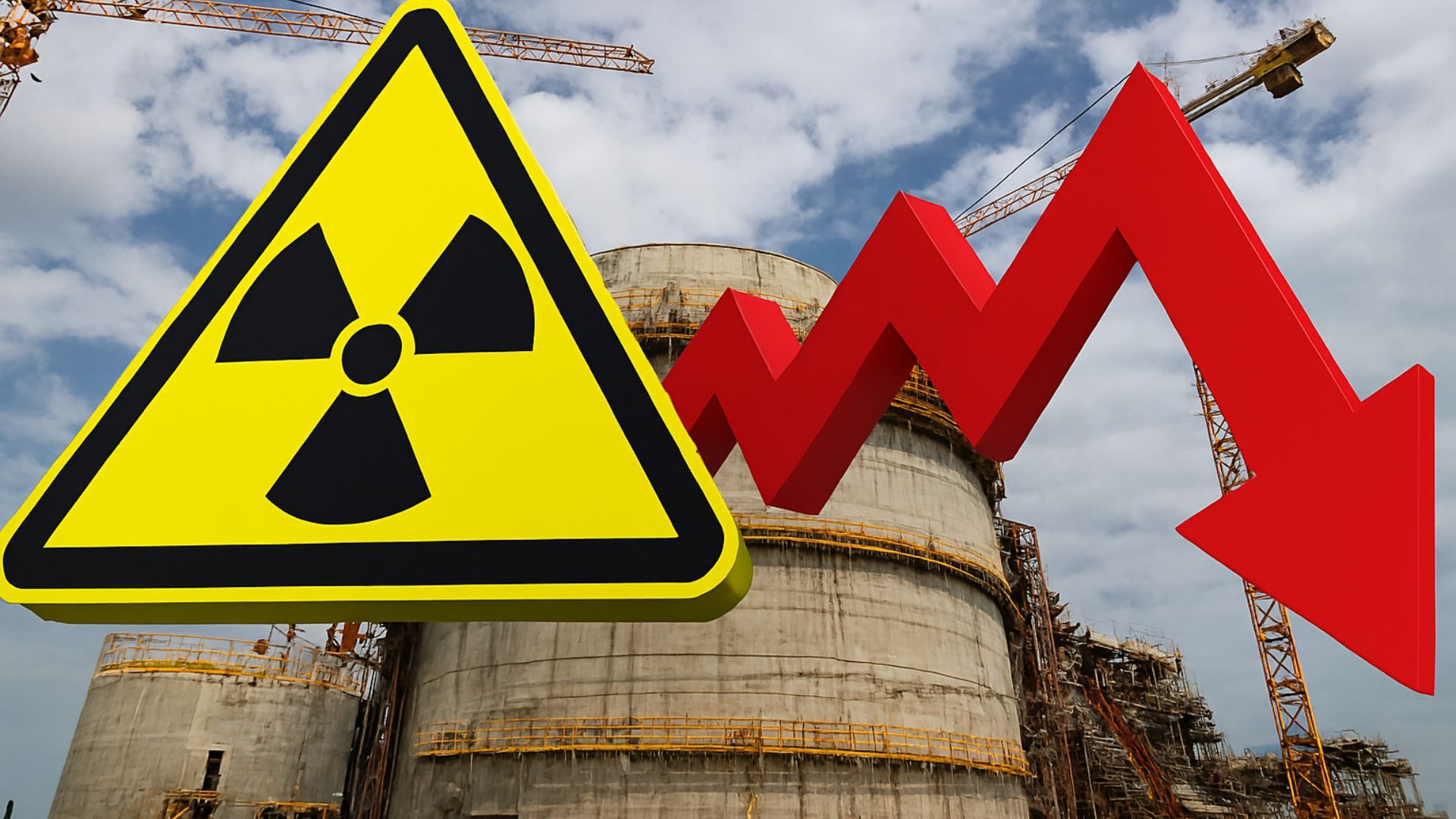
Out Of Resources To Maintain Angra 3 Works, Eletronuclear Warns The Federal Government About The Risk Of Energy Blackout And The Future Of Nuclear Plants In Brazil
According to an article published by InfoMoney this Sunday (26), Eletronuclear, the state-owned company responsible for Brazilian nuclear plants, sent an official letter to ENBPar requesting R$1.4 billion from the Federal Government. The urgent request aims to prevent the halt of the Angra 3 works, a strategic project for the country’s energy matrix, and to contain the risk of an energy blackout in the coming years.
Angra 3: Eletronuclear’s Strategic Project May Be Interrupted
Without resources to close the year, the state-owned company foresees default as early as November, with billion-dollar due dates and retention of revenues that serve as financing guarantees. If the funding is not released, Eletronuclear estimates that R$6.5 billion in debts will be accelerated, jeopardizing contracts and the continuity of the works.
The situation is critical. The Angra 3 project may be definitively rendered unfeasible, with liabilities exceeding R$21 billion. The warning was made directly to ENBPar, the public company that controls the Brazilian nuclear sector.
-
American company drills a 1,830-meter hole in Kansas using oil well technology, places a nuclear reactor inside, and claims it will generate electricity without any cooling tower.

-
Canada invests more than 2 billion dollars to upgrade an old nuclear laboratory and try to rival the world’s major atomic energy powers.
-
Nuclear company backed by Bill Gates partners with Hyundai for next-generation 345 MW nuclear reactor

-
Russia is sailing all 8 nuclear icebreakers of its fleet simultaneously for the first time in history, as the Arctic freezes two weeks earlier than expected.


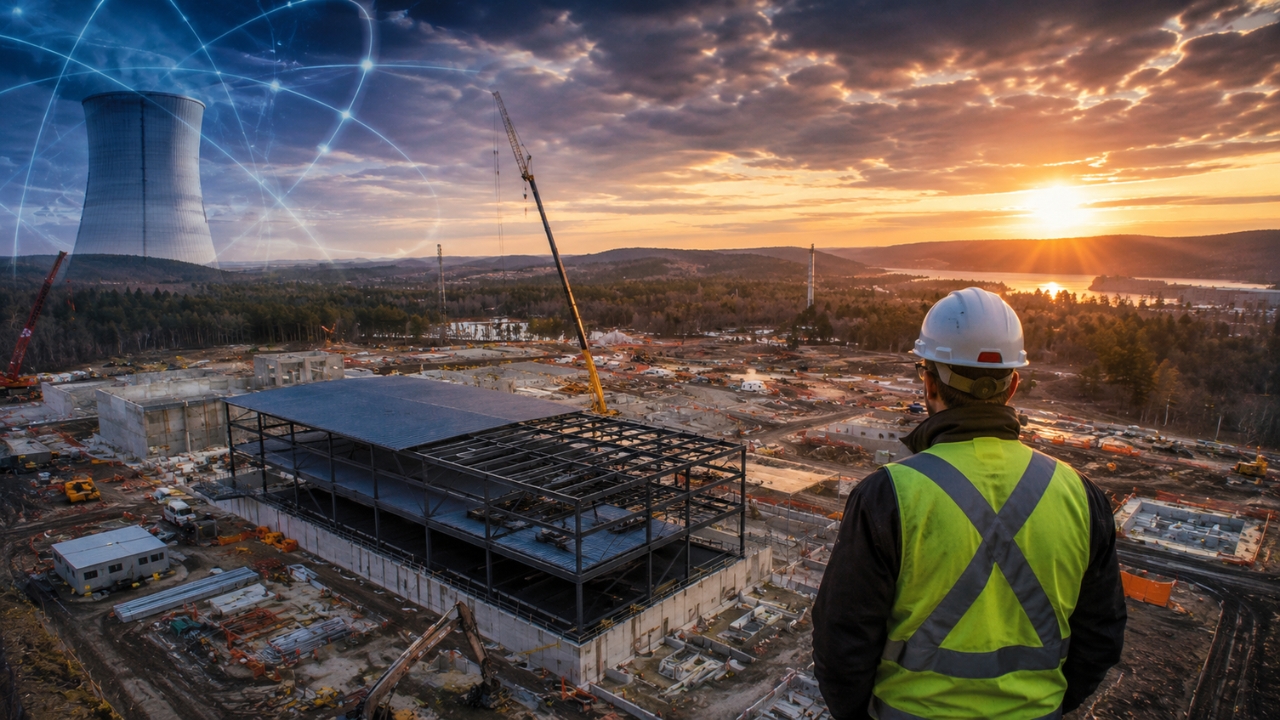


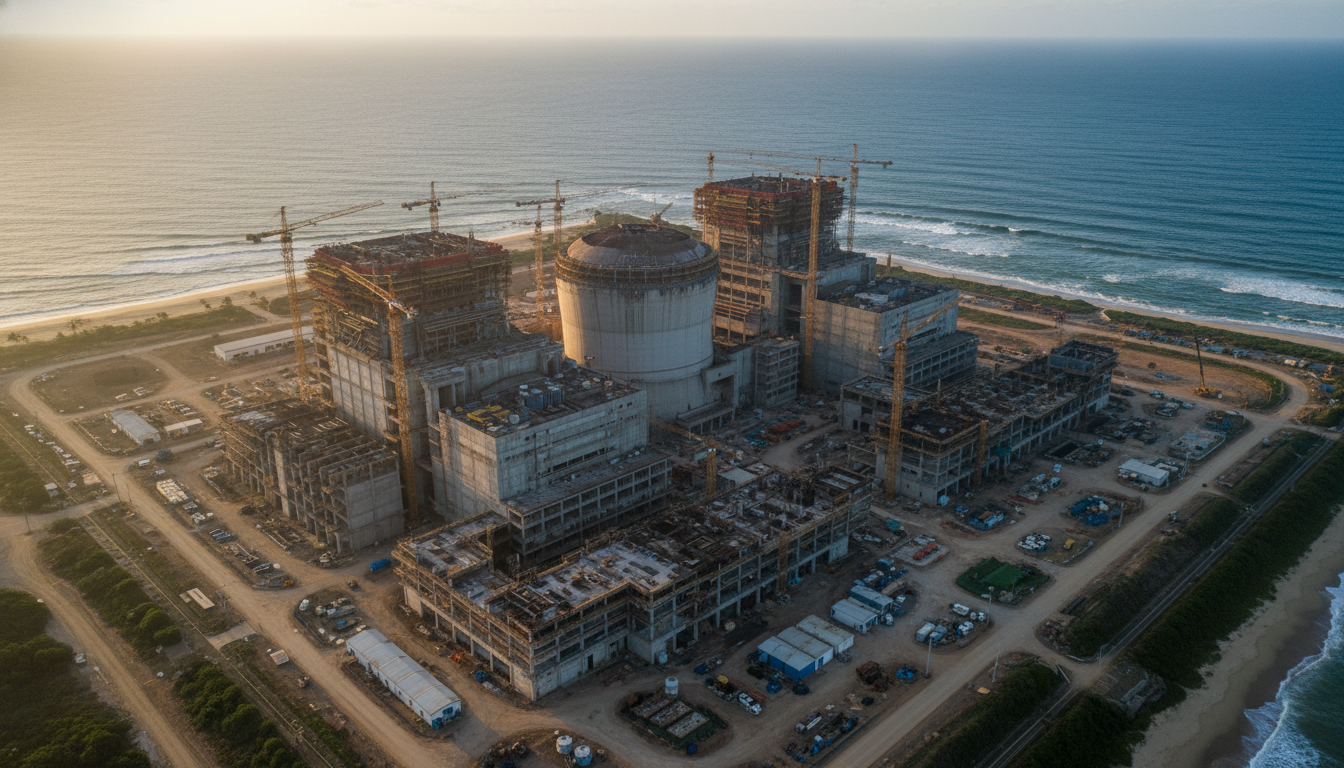
The construction of Angra 3, which began over four decades ago, is considered essential to increase Brazil’s electrical generation capacity. With a projected capacity of 1,405 megawatts, the plant could supply millions of homes. However, the project faces successive delays, budget revisions, and political hurdles.
The halt of Angra 3 represents a setback in the diversification of the national energy matrix. In a scenario of transition to clean sources and increased demand, the completion of the plant is seen as strategic to ensure stability in supply.
The Role Of The Federal Government In The Eletronuclear Crisis
The Federal Government is primarily responsible for ensuring Eletronuclear’s financial viability. ENBPar, the state holding that manages nuclear plants, is analyzing the rescue request. The decision involves not only budgetary issues but also strategic ones, as the nuclear sector is considered a matter of national security.
The release of R$1.4 billion depends on political negotiations and technical approval. The requested amount needs to align with the spending cap and the government’s priorities.
The situation reignites the debate on the efficiency of state-owned companies, the role of the state in energy infrastructure, and the risks of dependence on public resources for long-term projects.
Additionally, there are concerns about the fiscal impact of the operation. The National Treasury has not yet officially expressed itself, but sources indicate that the request will be evaluated urgently.
Impacts Of The Crisis: Risk Of Energy Blackout In 2025
Although Angra 3 is not yet operational, its completion is seen as crucial to avoid overloading other generation sources. The Eletronuclear crisis could affect confidence in the sector and generate instability in energy supply in the coming years.
Brazil has already faced historic blackouts, such as those in 2001 and 2021, which caused billion-dollar losses to the economy. The lack of planning and continuous investment in energy infrastructure may repeat this scenario, especially in light of extreme weather events and increased demand.
Experts warn that without Angra 3, the country will be more vulnerable to fluctuations in the electrical system. The dependence on hydropower sources, subject to climate variability, increases the risk of supply failures.
Eletronuclear And The Challenges Of Public Management
The Eletronuclear crisis exposes weaknesses in the management of public infrastructure projects. The sale of the private stake in the company to the J&F group, although strategic, was not enough to guarantee immediate liquidity. The state-owned company now relies on issuing debentures and direct support from the Federal Government to maintain its operations.
The lack of budgetary predictability and state bureaucracy hinder the execution of complex projects like Angra 3. Additionally, there are criticisms of the political management of the company, which faces difficulties in attracting investors and meeting deadlines.
The current situation demands a profound review of public works financing and management models. Without structural changes, the country will continue to face bottlenecks that compromise its competitiveness and energy security.


Possible Ways To Avoid The Crisis
To prevent the collapse of Eletronuclear and ensure the completion of Angra 3, experts suggest measures such as:
- Review of the project’s contracts and schedules
- Greater transparency in the management of the state-owned company
- Public-private partnerships to accelerate investments
- Strengthening the regulation and oversight of the nuclear sector
- Long-term budget planning with clear goals
Additionally, it is essential that the Federal Government establish an integrated energy policy, focusing on efficiency, sustainability, and security. The current crisis may be an opportunity to rethink the financing model of large-scale projects and ensure greater predictability.
The restoration of confidence in the nuclear sector depends on concrete and coordinated actions. Brazil needs to demonstrate its execution capacity and commitment to modernizing its energy infrastructure.
The Future Of Nuclear Energy In Brazil
Nuclear energy represents a strategic alternative to diversify Brazil’s energy matrix. The nuclear plants of Angra 1 and 2 already operate efficiently, and Angra 3 is seen as the next step to consolidate this source as a pillar of the national electrical system.
However, the future of nuclear energy depends on institutional stability, adequate financing, and efficient management. The Eletronuclear crisis shows that without planning and government support, strategic projects can be jeopardized.
The resumption of Angra 3 works is essential to guarantee energy security, reduce dependence on intermittent sources, and position Brazil as a reference in nuclear technology. The country has the potential to lead the production of clean and safe energy, but it needs to overcome current challenges with agility and responsibility.
Why This Crisis Matters To Everyone
The crisis of Eletronuclear is not just a technical or financial problem. It is a warning about the fragility of Brazilian energy infrastructure. The possible halt of Angra 3 directly affects the future of electricity supply, the country’s credibility in the nuclear sector, and consumers’ wallets.
If the Federal Government does not act quickly, Brazil runs the risk of facing new blackouts, rising tariffs, and loss of competitiveness. Energy is a basic input for development, and its management must be treated as a national priority.
The moment demands firm decisions, strategic planning, and commitment to the future. Society, investors, and public managers must understand that energy security is a collective good — and its preservation depends on responsible choices today.






-

1 person reacted to this.