Portuguese
  Spanish


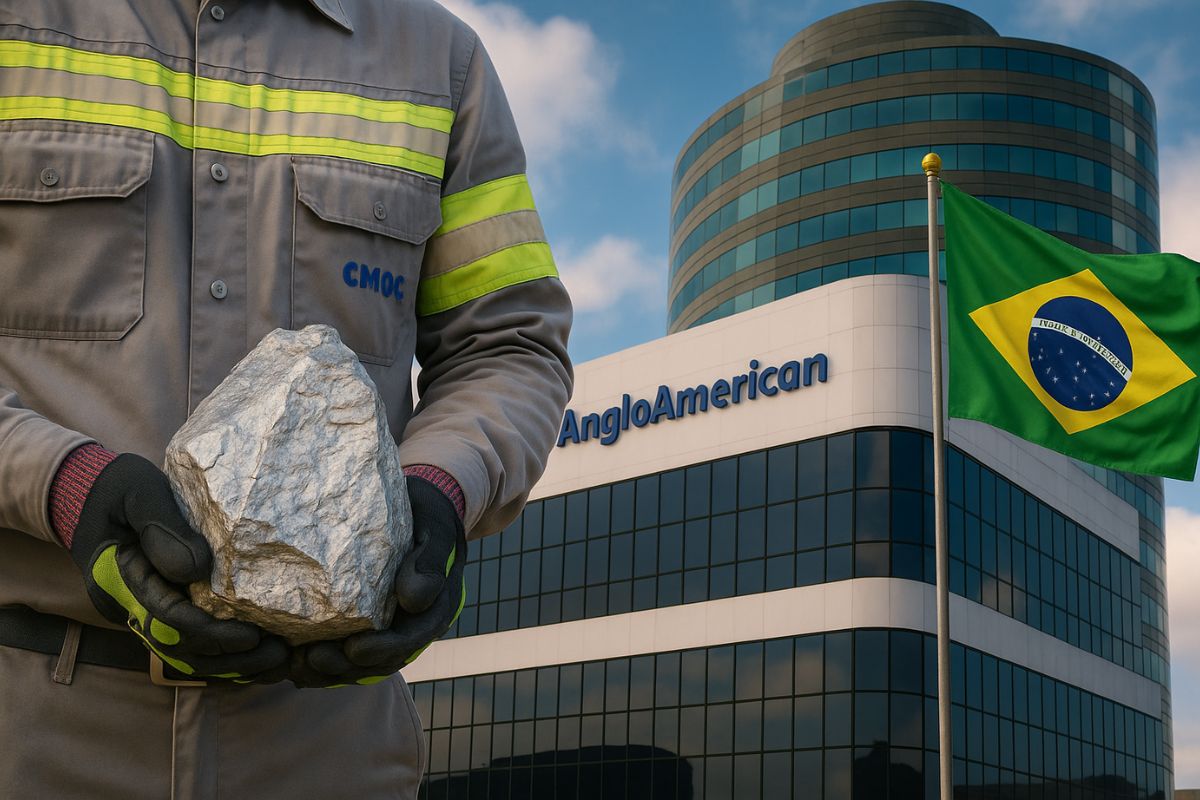


Understand How the Acquisition of Anglo American Assets by the Chinese State-Owned CMOC in 2016 Reconfigured the Control of Strategic Minerals in Brazil
In one of the most important transactions in the Brazilian mining sector, the state-owned Chinese company CMOC acquired control of large Brazilian niobium and phosphate mines. The deal, closed with the giant Anglo American in 2016, was a strategic move that reflects China’s global expansion to secure control of critical mineral resources for its industry and food security.
The acquisition, which surpassed US$ 1.5 billion, positioned CMOC as the world’s second-largest niobium producer and one of the main suppliers of phosphate fertilizers in Brazil. The operation was the result of two opposing strategies: that of a struggling European company forced to divest assets, and that of a Chinese powerhouse on a global offensive.
The Billion-Dollar Transaction of 2016
The sale agreement was officially announced on April 28, 2016. CMOC outbid at least 15 other companies to acquire 100% of Anglo American’s niobium and phosphate operations in Brazil. The transaction was completed on September 30 of the same year, with a final payment that reached approximately US$ 1.7 billion, an amount that at the time was considered 50% above market expectations.
-
China could reduce iron ore imports from 80% to 50% of consumption by 2030, while its share in global steel production falls from 52% to 46%, in a shift that could reshape the global market, says CMRG.

-
Brazil is sitting on one of the largest lithium reserves in the world, in the Jequitinhonha Valley, but national mining has almost become an appendage of China: 97% of the metal’s export goes to a single country, which also dominates refining.
-
Iron ore falls to 762 yuan in China as real estate sales decline and steel production hits lowest level since 2018
-
Brazil has minerals, clean energy, and a waiting market, but it could miss a billion-dollar opportunity if it doesn’t speed up the race for green minerals, while the steel industry seeks to reduce emissions.


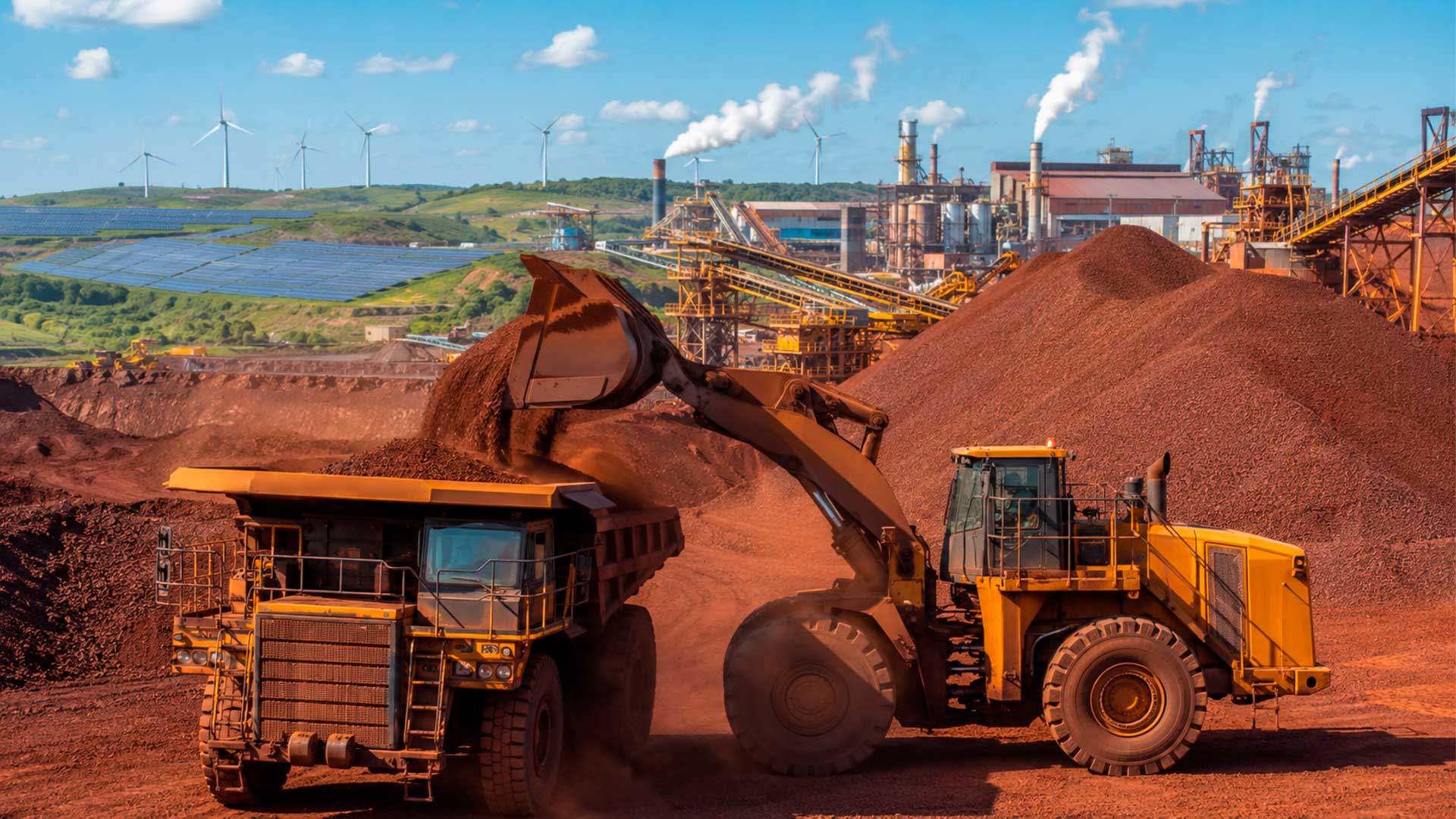
The package of assets acquired by CMOC was robust and included:
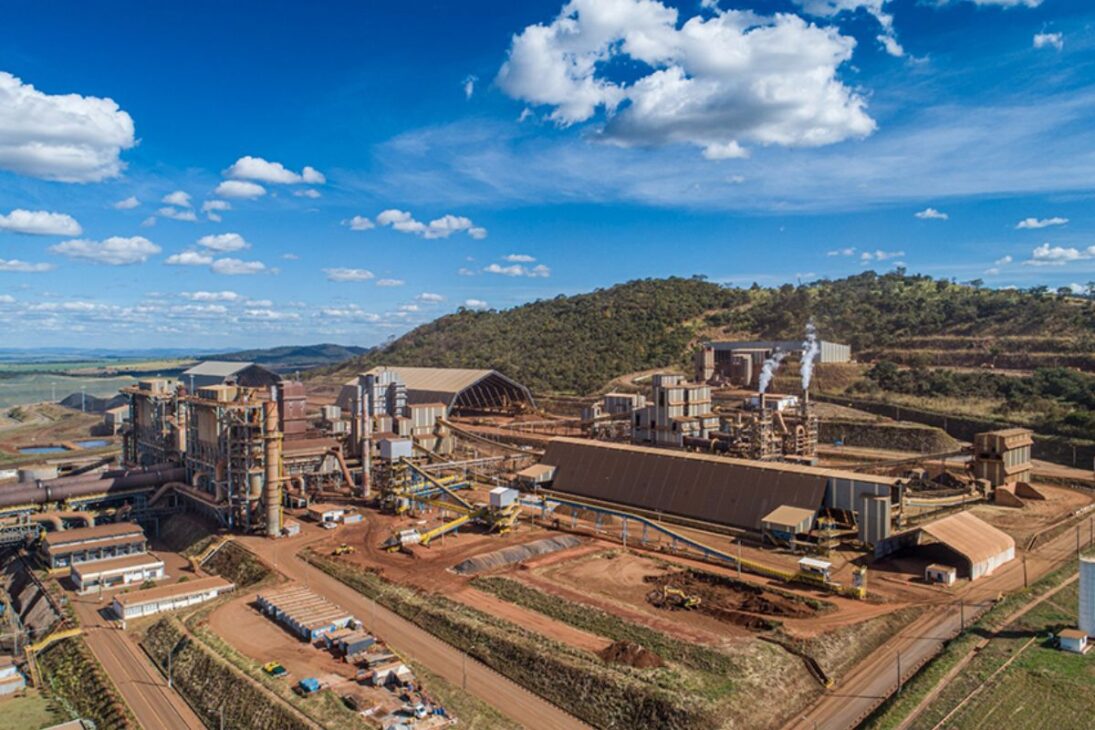
The Boa Vista Mine in Catalão (GO), one of the largest niobium operations in the world.
The Chapadão Mine in Ouvidor (GO), an important source of phosphate rock.
Industrial chemical complexes for the production of fertilizers in Catalão (GO) and Cubatão (SP).
Why Did Anglo American Sell Its Brazilian Niobium and Phosphate Mines?
Anglo American’s decision to exit these businesses in Brazil was a defensive measure. The London-based miner was facing a severe global crisis caused by a sharp decline in commodity prices. Its shares fell by 70% in 2015, putting enormous pressure on the company to reduce its debt.
In response, CEO Mark Cutifani announced a plan for a “radical restructuring.” The strategy was to sell more than half of its mines to focus on just three commodities considered more valuable: copper, diamonds, and platinum group metals. The Brazilian niobium and phosphate mines, though profitable, no longer fit this strategic focus and became an opportunity to generate cash quickly.
The CMOC Offensive, Securing Resources for Industry and Agriculture
While Anglo American was contracting, CMOC was in full expansion. For the Chinese company, the acquisition was a dual-purpose move. The purchase of the niobium business was seen as an “important strategic addition,” since the metal is a critical input for the production of special steels, vital for China’s high-tech industry.
At the same time, the acquisition of phosphate operations allowed CMOC a diversification into the fertilizer market, securing a relevant position in supplying the powerful Brazilian agribusiness. The purchase was not an isolated act. In the same year, CMOC also acquired a massive copper and cobalt mine in the Democratic Republic of the Congo, showing a global and coordinated strategy to dominate essential mineral markets.
Operational Success and Local Conflicts
After the purchase of the Brazilian niobium and phosphate mines, CMOC Brazil demonstrated efficient management. The company increased niobium production by over 50%, reaching historical records, and established itself as the second-largest producer of phosphate fertilizers in the country.
The company also invests in a strong sustainability agenda, with international certifications and social projects in the cities of Catalão and Ouvidor. However, the acquisition did not eliminate long-standing issues. The region has a history of socio-environmental conflicts, with reports from local communities about land disputes and mining impacts. This tension between corporate narrative and local reality represents an ongoing challenge for the company.