Portuguese
  Spanish


In The Midst Of Drought And Irregular Rains, Jaciara Producers Speed Up Soybean Planting To Try To Save The Harvest And Avoid Losses In Cotton And Rice
In Jaciara, in the southeast of Mato Grosso, the delay in soybean planting worries farmers. The irregularity of the rains compromises the germination of the crops and may shorten the window for the second crop of cotton.
According to Canal Rural, the drop in prices and the increase in production costs have led rice to reappear as an income alternative, although part of the harvest has ended up being transformed into feed for cattle.
Planting Outside The Ideal Window
The dry soil and dust in the air reveal the challenging scenario in the field. On a property with a planned cultivation area of 1,950 hectares of soybeans, the machines continue at an accelerated pace to take advantage of the little remaining moisture. The producer tries to avoid losses in the rotation with cotton, which will already need to be planted outside the period considered ideal.
-
Producer receives news and had to cull almost the entire herd, bounced back with the help of compensation, and is now producing 450 liters of milk per day in SC.

-
Quail Eggs Reveal a “Secret Code” on Their Shells Explaining Unique Patterns and Colors

-
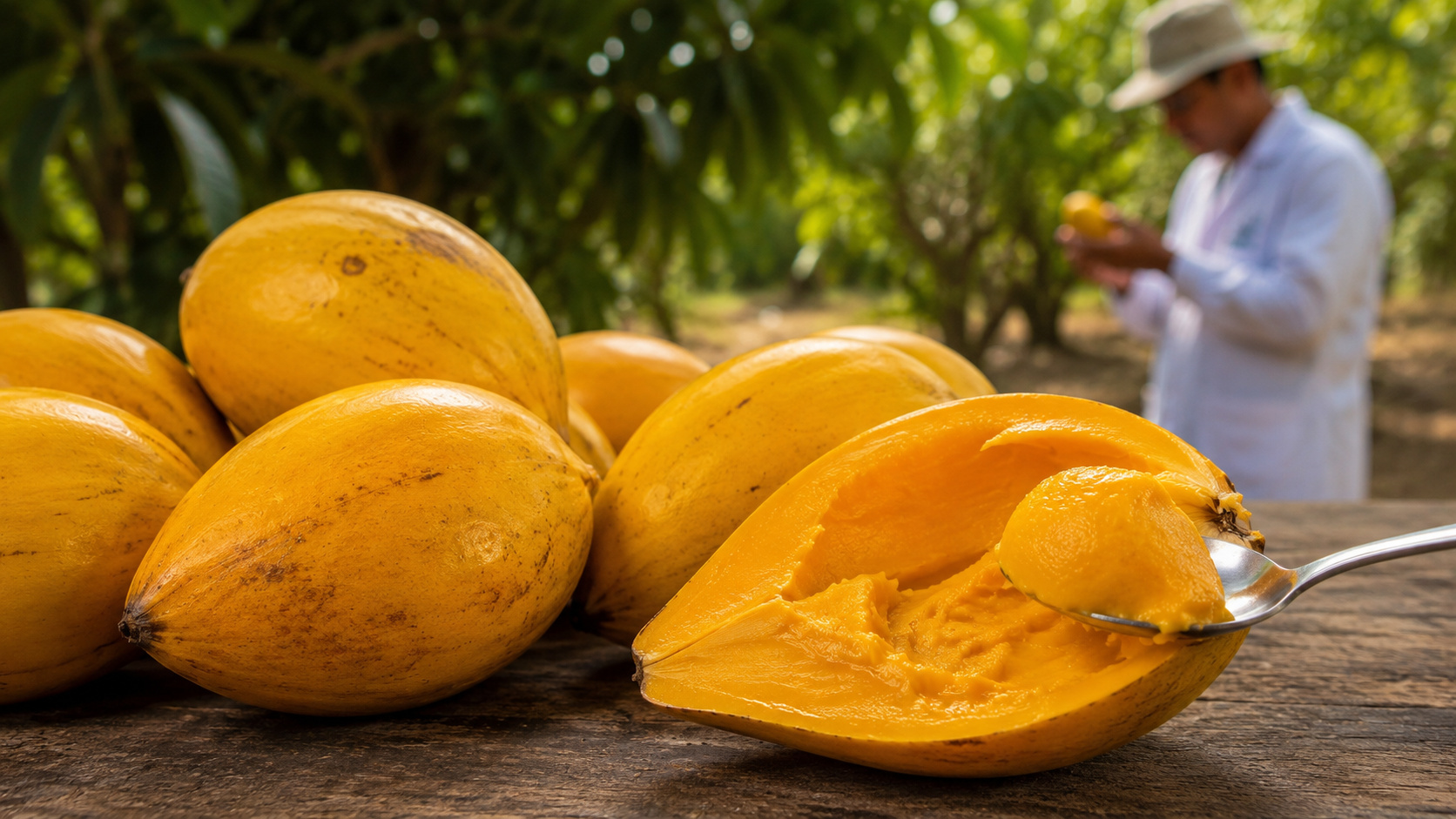
Rare Tropical Fruit Canistel, with Egg Yolk Color and Caramel Flavor, Gains Interest from Researchers and Small Producers in Brazil
-
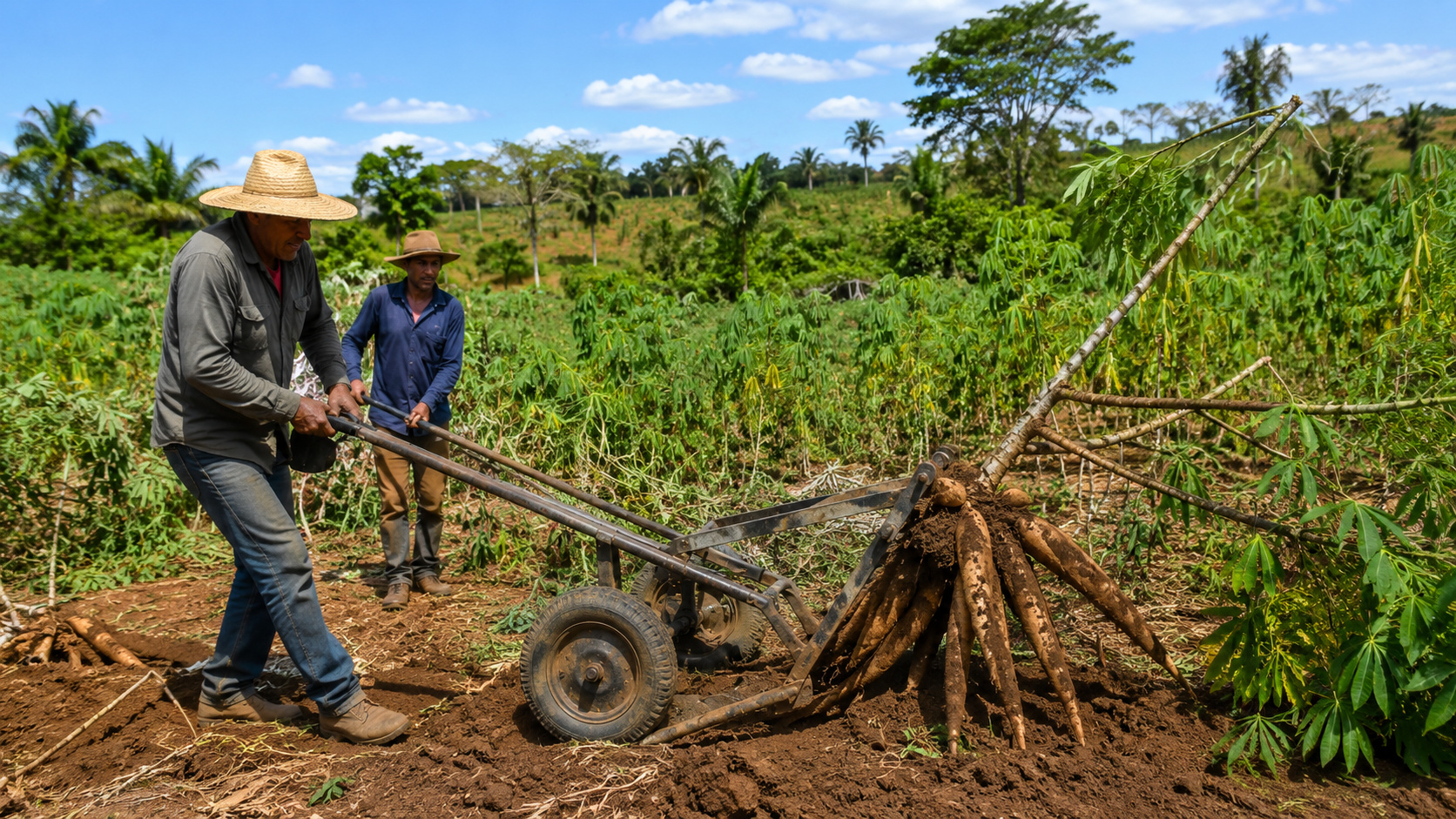
Brazilian Farmers Develop Wheeled Metal Lever to Ease Cassava Harvesting Without Heavy Machinery


“The harvest is expected to begin in early February, so the second crop of cotton will already be outside the ideal window,” explained Gelson Dobler, agronomist.
Precipitation remains uneven in the region: there are plots with up to 100 millimeters accumulated and others practically with no rain, which complicates the advancement of sowing.
Producers Face Uncertainty
The situation is repeated on several farms in the municipality. On one of them, with a planned area of 2,500 hectares of soybeans, only 250 have been planted so far. “We have 10% of the area planted. In a normal year, we would already be practically finishing planting,” said farmer Gilson Provenssi.
He emphasizes that the delay directly affects the cotton cycle. “The cycle is longer, and later on we don’t have rain in April and May. Usually, 50% of the years have no rain in May. It’s a lottery,” he noted.
High Costs And Low Prices Pressure The Producer
The delay and irregularity of the rains also compromise the profitability of the properties. “If there’s no crop failure in another country and we continue with high stocks, prices should remain low,” evaluated another producer.
With the devaluation of commodities, rice has returned to occupy space in the fields, but the excess supply has driven prices down. On a property owned by the Jorge Shinoca family, part of the production has turned into feed for cattle. “It’s absurd to feed cattle with rice, a noble food for Brazilians,” lamented the farmer.
Stored Production Awaiting Valuation
The situation is not isolated. Another farm in the municipality has about 600 tons of rice stored, waiting for a more favorable price for sale.
Meanwhile, producers continue to face climatic and economic uncertainties that threaten the performance of the harvest in Jaciara.