






 Portuguese
  Spanish


Meet The Fuel Cell System That Generates Electricity From Bioethanol To Power A Vehicle
Gasoline, diesel, and ethanol are only increasing, and even electric car models face some issues such as charging time and range. Therefore, Brazilian researchers are working on a new technology capable of making an electric car run without the need for charging.
Read Also
Promising Technology Could Elevate The Potential of The Sustainable Fuel Market in Brazil
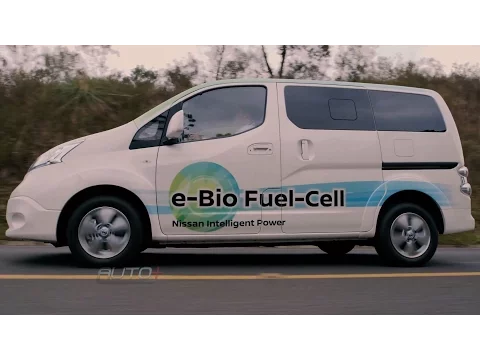

Electric motors have gained a great ally, ethanol, which is found in the most economical and cleanest cars. In addition, a new technology is being developed in Brazil that promises to change the concept of energy generation for electric cars. This is not a hybrid that uses gasoline, diesel, or ethanol, but a completely electric car powered by hydrogen.
In practice, it will be an electric car, however, it does not have a socket as a power source but instead uses a tank of ethanol and offers double the range for the model. According to the Executive President of Sindalcool PB, Edmundo Coelho Barbosa, the studies are advanced and he also explained how the process of converting ethanol into energy works.
-
Volkswagen to Cut Production by 1 Million Cars by 2030, Reducing Jobs and Platforms, Focusing on More Profitable Models

-
Toyota Launches First 100% Electric Car in Brazil: bZ4X with 343 HP, All-Wheel Drive, 361 km Range, Priced at $419,990 BRL, Limited to 99 Units

-
Chinese SUV Achieves 24.4 km/l, Outperforms Toyota Yaris Cross in Real-World Tests with 224 hp Hybrid System, Offers 51-Liter Tank for Greater Range, and Costs Up to R$ 5,000 Less.
-
Uber Black Revamps Fleet, Drops Ten Car Models and Sets Deadline for Electric BYD Dolphin


The ethanol cells go through a piece of equipment known as a reformer, which extracts hydrogen, which will be combined with oxygen from the air in the fuel cell itself. It is the chemical reaction inside the cell that generates electricity for the electric car that does not use diesel or gasoline.
Ethanol Is More Sustainable Than Gasoline or Diesel, Says Expert
The country is currently a reference due to this study due to the use of ethanol, as it pollutes the environment less and emits less CO2 into the atmosphere, both during production and use.
According to Edmundo, Brazil has the technology developed at the hydrogen laboratory of UNICAMP, which created the company Hytron for the development of ethanol reforming. Edmundo also claims that this is already a reality for electric cars, and it would already be possible to conceive refueling stations with hydrogen.
The advantages of SOFC models compared to common electric cars are that since the energy is generated by ethanol, the model does not need a large battery, which represents 25% of the total weight of the model. A smaller version is sufficient, which would be recharged by the fuel cell that would also contribute to reducing pollution.
30 Liters of Modified Ethanol Generate a Range of 600 km
With the new technology, as soon as the ethanol is injected, it generates energy instantaneously for the engine, offering a range greater than 600 km using only 30 liters of fuel.
With so many advantages, many people would like to know when consumers will be able to buy electric cars with such modern technology, but there is still no projected launch date, and studies should continue until 2025.







Be the first to react!