






 Portuguese
  Spanish


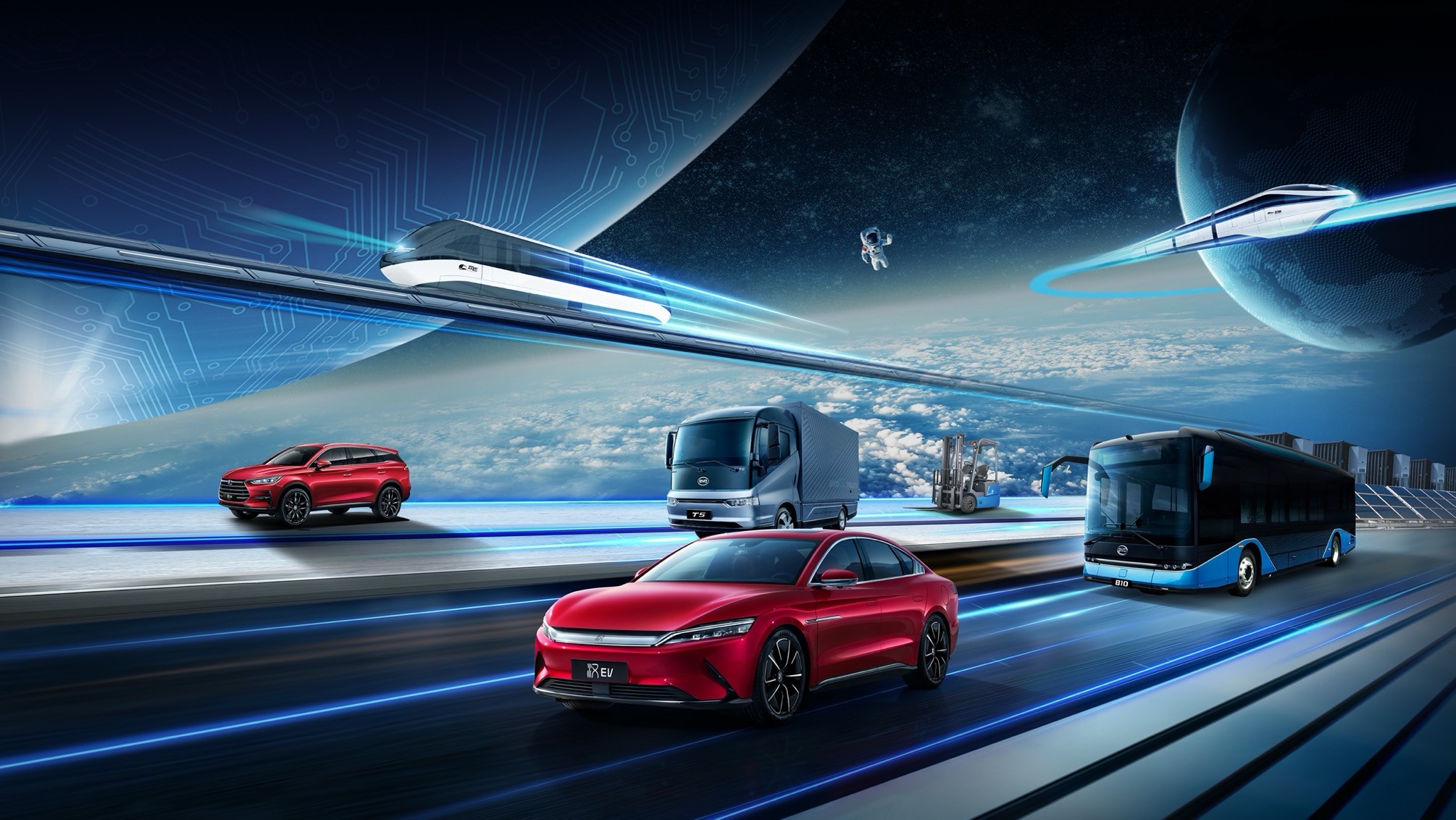
BYD Is Leading In Electric Car Sales, Surpassing Even Elon Musk’s Tesla. The Company Has An Increase of 314% In Sales.
According to information sent to the Hong Kong Stock Exchange, where it is listed, BYD claims to have sold 641,350 electric cars between January and June of this year, a significant growth compared to the 154,579 units sold in the same period last year, representing a year-on-year increase of 314%. Although it has not been audited and may be subject to changes, this number surpasses the electric cars sold by Elon Musk’s Tesla, which announced the sale of 564,000 units in the first six months of this year.
Tesla Director Talks About Possible Reasons for Decreased Electric Car Sales
Elon Musk’s company justified those numbers with “supply chain disruptions” and obstacles in activities conducted in China, generated by the Shanghai lockdown, the economic capital of the Asian country, due to epidemic prevention measures.
The number highlights the growing export capacity of Chinese electric car manufacturers, according to analysts cited by the Financial Times, who emphasized that BYD is trying to produce products covering various critical sectors of the market.
-
Volkswagen to Cut Production by 1 Million Cars by 2030, Reducing Jobs and Platforms, Focusing on More Profitable Models

-
Toyota Launches First 100% Electric Car in Brazil: bZ4X with 343 HP, All-Wheel Drive, 361 km Range, Priced at $419,990 BRL, Limited to 99 Units

-
Chinese SUV Achieves 24.4 km/l, Outperforms Toyota Yaris Cross in Real-World Tests with 224 hp Hybrid System, Offers 51-Liter Tank for Greater Range, and Costs Up to R$ 5,000 Less.
-
Uber Black Revamps Fleet, Drops Ten Car Models and Sets Deadline for Electric BYD Dolphin


According to Lian Yubo, Executive Vice President of BYD, in an interview, the Chinese company will provide lithium iron phosphate (LFP) batteries in the near future, specifically to Elon Musk’s Tesla. BYD, which manufactures batteries for its own electric and hybrid cars, is present in over 200 countries and launched its Blade battery in 2020, based on LFP technology, ensuring it is safer than other market options due to its lower tendency to overheat.
BYD Shares Rise 36%
So far, the Chinese giant CATL is the only company providing LFP for Elon Musk’s Tesla, which has been using the components for the electric cars it produces at its Shanghai facility since 2020. According to Tesla, about half of the models produced in the first quarter were equipped with LFP batteries, which are cheaper than nickel batteries used in the West.
BYD shares have risen by 36% since the beginning of the year, with the automaker nearing a market capitalization of one trillion Chinese yuan, which directly converts to about US$ 149 billion.
Beijing’s pressure for people to reduce CO₂ emissions has contributed to the automaker’s growth as the largest domestic company in China. BYD continued to expand its sales and stock prices, although pollution surrounded one of its factories in Hunan province, where local residents report suffering from nosebleeds, respiratory problems, and vomiting.
BYD Is Betting on Brazil and Expanding Electric Car Sales
BYD is in Brazil making its electric cars available and generating thousands of jobs in its units, gaining more prominence in the national market in recent months.
Since deciding to enter the market for light electric vehicles in the country at the beginning of the year, the automaker, which already operates in the heavy vehicle sector and other electricity-focused divisions, has presented two models and stated it will open 45 dealerships in Brazil.
According to Henrique Antunes, Sales Director of BYD Brazil, the company initially focused on sectors such as buses, forklifts, and solar energy. Electric cars were still something quite distant for the company, which emerged with a stronger presence in 2015.






Be the first to react!