Portuguese
  Spanish


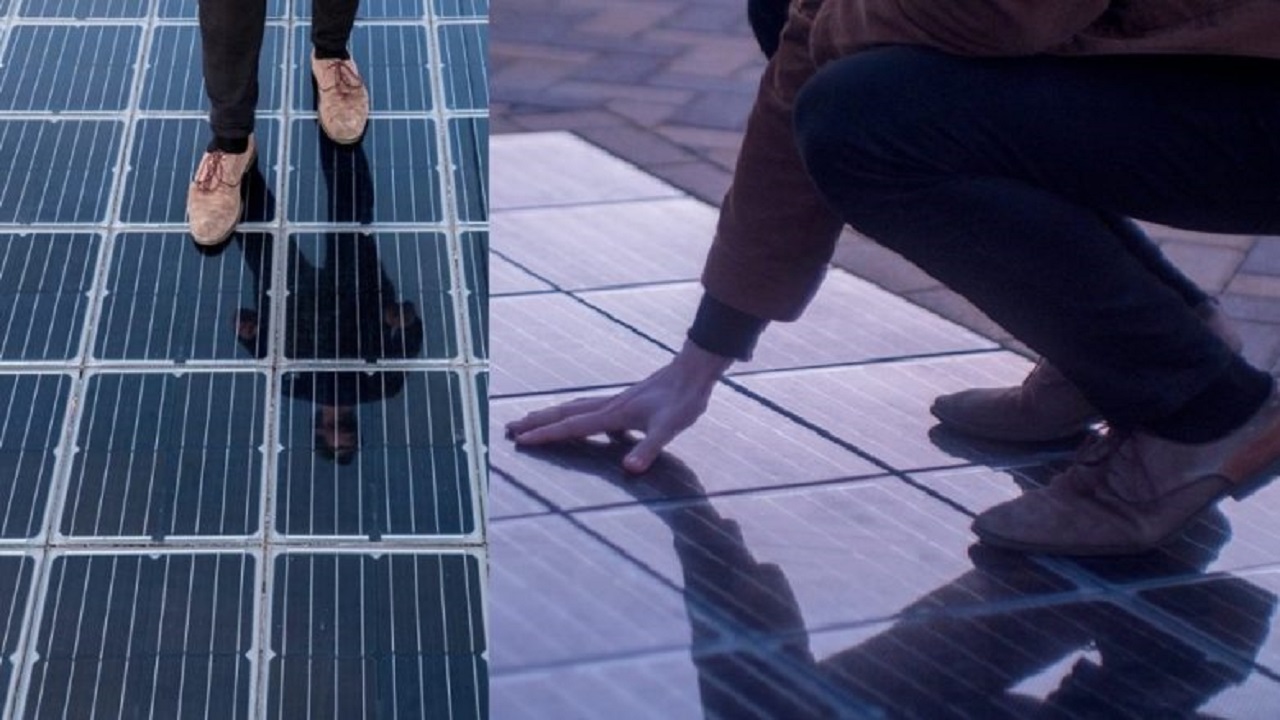

A Company Specialized in Sustainable Construction Materials Developed and Is Selling a Solar Energy Floor That Can Generate Electricity, Which Can Be Returned to the Consumer’s Electrical Grid
The company Platio, from Hungary, developed and has put for sale a solar energy floor for homes in Budapest, with the capacity to generate electricity that can be returned to the consumer’s electrical grid. According to the company, only 20 m² of the solar energy floor is needed to meet the annual electricity consumption of an average family.
Read Also
Other Uses of the Solar Energy Floor
In addition to returning electricity to the grid, another way to use the solar energy floor is to charge electric cars. Tests have already been conducted in a shopping center in Hungary, where 6.47 m² of the solar energy floor were installed in the shopping center and connected to a small charging station. The goal was to recharge the smartphones of those who were there, either for leisure or work.
To further confirm the efficiency of the floor that generates electricity and returns it to the grid, it has been used in plazas, parks, and maritime infrastructures. However, the solar energy floor that generates electricity and returns it to the grid is aimed at residences, and Platio guarantees that the product can be used on balconies, terraces, patios, and sidewalks.
-
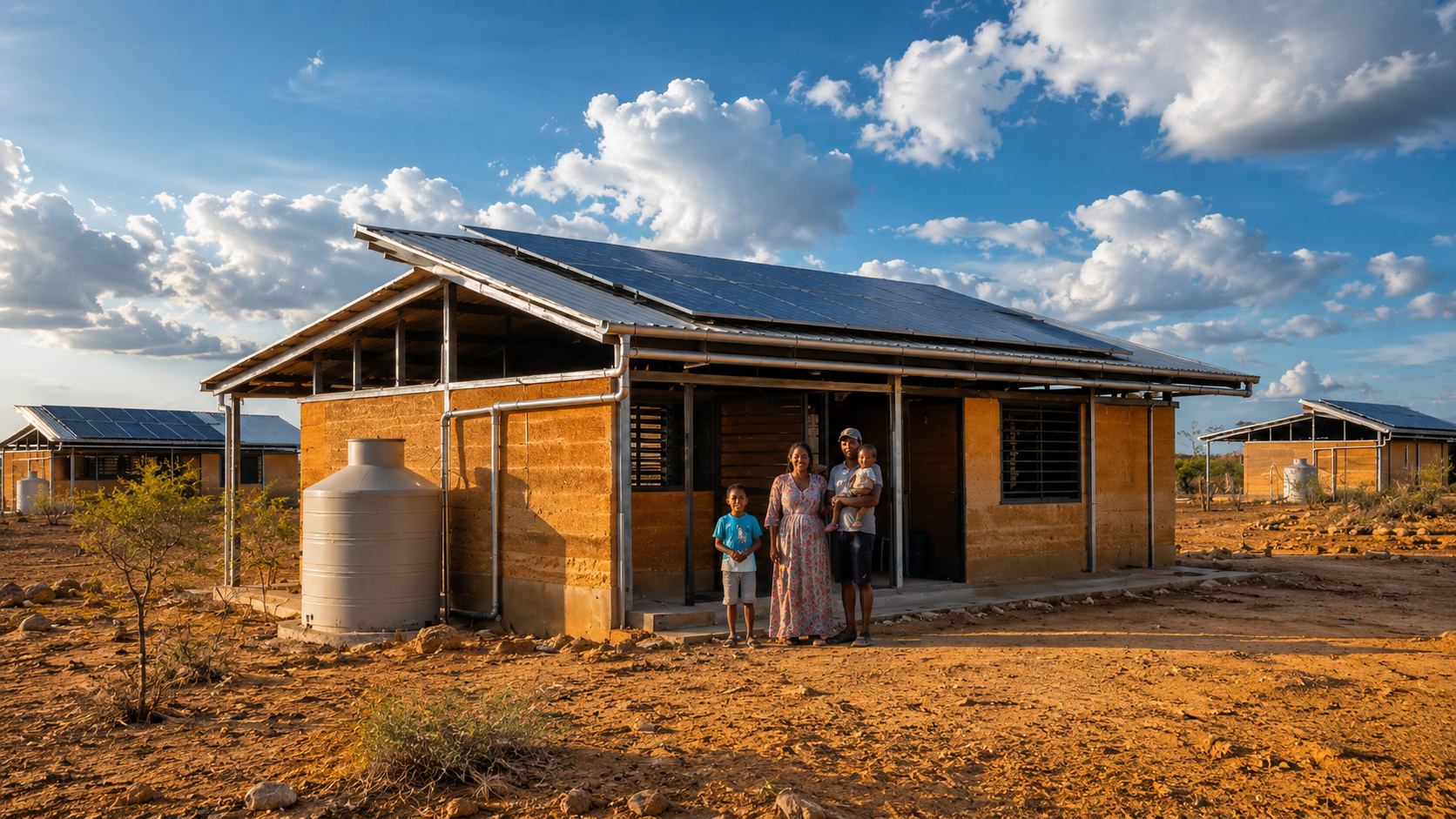
In Colombia’s desert, 30 families receive 80 m² homes with solar panels, waterless toilets, and rainwater collection systems amid water and energy shortages.

-
Engie Secures 10-Year Use of 625 MWh in Batteries to Store Excess Solar and Wind Energy in Spain by 2028
-
Giant Batteries Take Center Stage in Chile Auction as Company Offers 960 GWh of Solar Energy for Nighttime Use, Aiming to Stabilize Solar Power Supply
-
After a Year of Success in Switzerland, Solar Railway Attracts Italy’s Interest for Clean Energy Transformation



The design of the floor features colors for the “tiles,” such as black, red, blue, and green. And, although the product may seem slippery, the company claims that the slip resistance level is high, in addition to having simple maintenance compared to solar panels mounted on roofs, for example.
How Is Platio’s Floor Produced?
The company from Hungary specializes in sustainable construction materials, and therefore, created the floor made with monocrystalline silicon cells. The pavement is mounted on tempered glass and then added to a structure made of recycled PET bottles. According to the company, the use of bottles brings another significant benefit: ensuring that the floor lasts longer than concrete.
High-quality engineering ensures the material’s resistance to load, scratches, impact, weather, and at the same time provides resistance to vandalism.
About Platio
Platio is a technology company based in Budapest, focused on innovation and the creation of sustainable construction materials. The company has been using design and clean technology to create sustainable urban environments since 2015.