Portuguese
  Spanish


China Advances With Focus On The “Fuel Of The Future”. The Construction Of One Of The Largest Green Hydrogen Plants In The World Promises To Store 210 Thousand M³.
The China Petrochemical Corporation, part of the Sinopec group, announced this week the start of operations of its new green hydrogen plant in the city of Kuqa, in the northwest of the giant Asian country. This is the largest factory of this fuel in operation in China, with a production capacity of 20 thousand tons annually.
New Plant Will Have Capacity To Store 210 Thousand M³ Of Green Hydrogen
The project’s construction began in March of last year and is the first in China to produce more than 10 thousand tons of green hydrogen using solar energy. The estimate is that this initiative will reduce CO2 emissions by up to 485 thousand tons per year.
Green hydrogen (H2) is called the fuel of the future for being much cleaner than fossil fuels and for being abundant on Earth. To separate it from water, an electrolysis process with electric currents is performed. This energy can be generated from renewable sources such as wind, hydroelectric, and solar power.
-
The Trap of Modern Technology: How Screen Overload and Digital Connections Can Impact Your Mental Health and Well-being

-
Wyoming Couple Grows Tropical Fruits Year-Round in -40°C Using Geothermal Greenhouse, Demonstrating Earth’s Heat Can Produce Oranges and Lemons in Snow Without Traditional Heating

-
Ship Returns from Brazilian Coast with Thirty Newly Discovered Life Forms
-
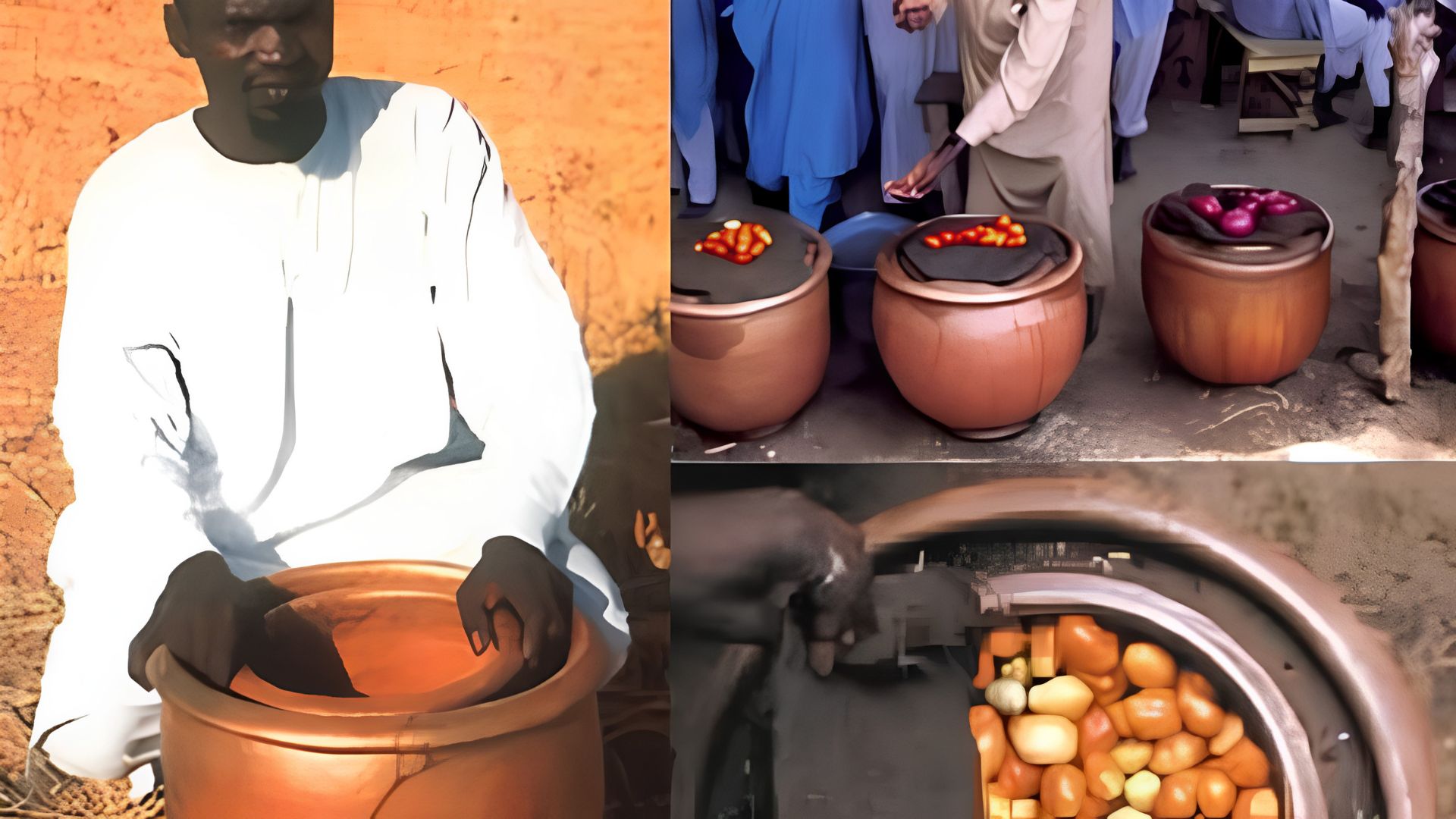
Nigerian Professor Invents Electricity-Free Refrigerator Using Clay Pots and Wet Sand, Extending Shelf Life of Vegetables to 27 Days; 7,000 Units Distributed in Energy-Deprived Villages


According to the company responsible for the plant in China, the unit has the capacity to store 210 thousand cubic meters of green hydrogen, in addition to the ability to transport 28 thousand cubic meters per hour. The China Petrochemical Corporation is one of the largest oil refineries in the Asian country, however, it has been making significant investments in clean energy.
The group generates about 4.5 million tons of hydrogen annually and has already developed over 100 hydrogen refueling stations in China. However, a large portion of the fuel consumed is not fully renewable, as it is produced from natural gas.
China Is Also Expanding Its Market In The Floating Solar And Wind Energy Sector
In February of this year, it began construction of a plant in the autonomous region of Inner Mongolia. This plant will have the capacity to generate 30 thousand tons of green hydrogen per year. With an investment of over US$ 800 million, equivalent to about R$ 3.8 billion, the plant is expected to be one of the largest of its kind in the world. In June, the Kela Photovoltaic Energy Station, the largest hybrid hydropower and solar energy station, began operations in the village of Kela, located in Sichuan province.
The project, which has a generation capacity of 1 million kilowatts, is situated at an altitude of 4,000 to 4,600 meters. The land area is approximately 16 million square meters, equivalent to 2,000 standard football fields.
Due to the instability of solar energy generation, complementing it with hydropower appears to be a viable solution. The solar energy generated by the Kela plant in China will be connected to the Lianghekou hydropower station and then processed for supply to the grid. The project is expected to generate a positive impact on the advancement of industries such as livestock, tourism, agriculture, and transportation.
Advancements In The Brazilian Green Hydrogen Sector
Last month, the European Union announced its plans to invest 2 billion Euros in the development of the green hydrogen economy in the country, creating thousands of jobs. The announcement was made by the President of the European Commission, Ursula von der Leyden, after a meeting with President Lula in Brasília.
According to the president, the European Union aims to import 10 million tons of green hydrogen annually over the next decade. Europeans are looking for a reliable long-term partner and will work with Brazil to achieve this, thus generating thousands of jobs.