Portuguese
  Spanish


Enel Brasil Recyles 98% of Electrical Waste, Including Aluminum and Concrete Poles, Promoting Circular Economy and Sustainable Practices.
In an increasingly environmentally conscious world, recycling emerges as a key component of sustainable practices, promoting the circular economy and the reuse of materials. On World Recycling Day, celebrated on May 17, companies around the globe share their innovative initiatives that not only reduce waste but also create new economic opportunities. Each year, well-known recycling efforts, such as those from ENEL Brazil, demonstrate that turning waste into wealth has become more than a necessity; it is a reality that is constantly expanding.
Particularly in Brazil, electrical waste recycling programs have stood out. Old equipment, including transformers and cables, are systematically recovered and recycled. Valuable materials such as aluminum, copper, and iron are frequently reused, closing the waste cycle. The electrical industry, for example, greatly benefits from this initiative, repurposing materials that would otherwise be discarded. This movement not only protects the environment but also lays the foundation for a sustainable economy where resources are used efficiently and intelligently.
Advances and Importance of Recycling in Modern Times
Since 2023, data indicates that urban areas have begun to adopt stricter measures for the collection and treatment of recyclable materials. Sources such as the Ministry of the Environment report a significant increase of up to 15% in the volume of recycled materials, with a special focus on electronic waste and metals. Companies in the metallurgical sector wish to increase their reuse capabilities reinforcing the importance of the circular economy in the sector. Much of this momentum is due to the growing awareness of the population and government support for recycling and sustainability policies.
-
Green Roofs on Homes Gain Popularity for Reducing Heat, Noise, and Rain Impact in Brazil

-
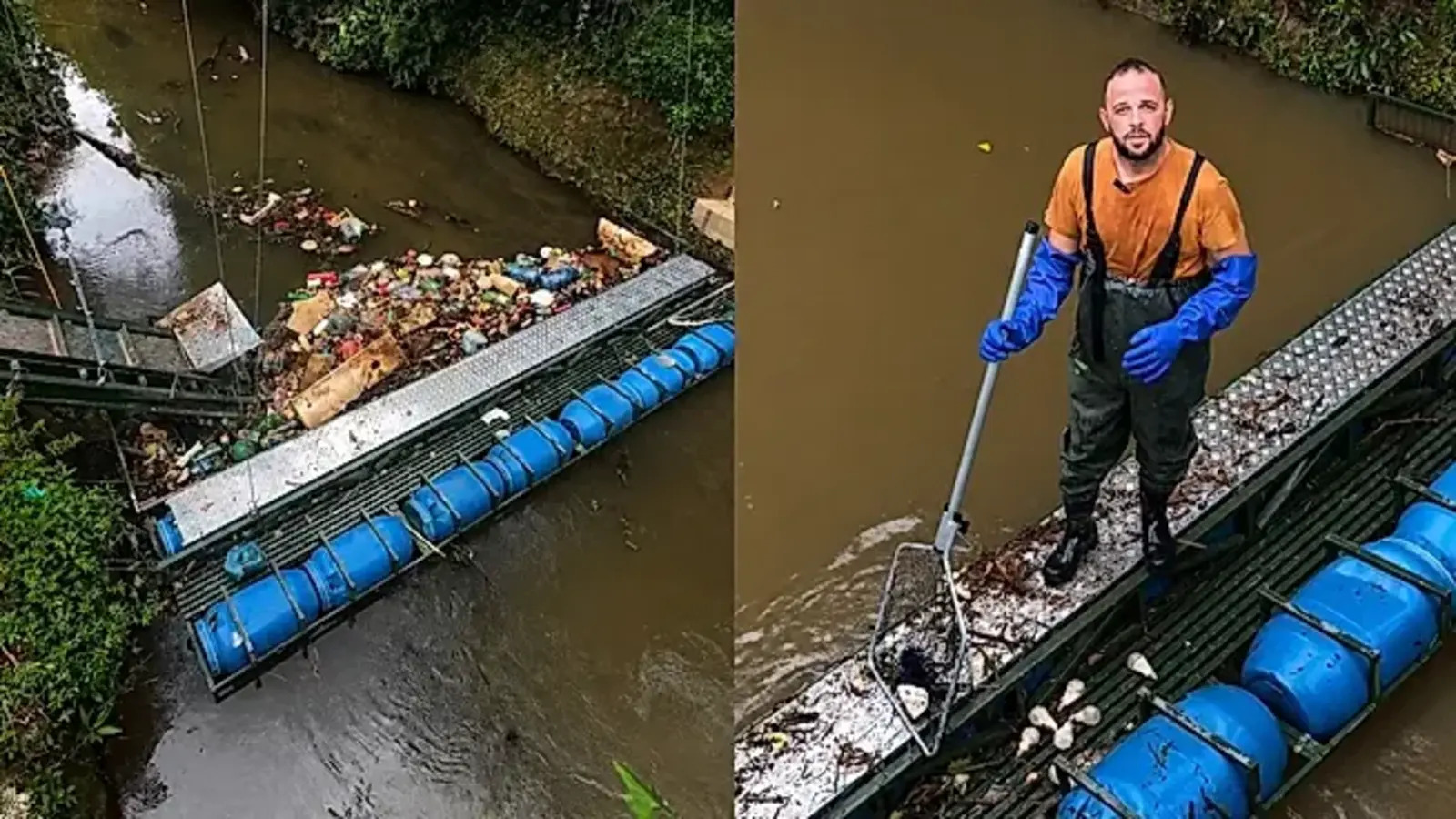
Brazilian promises his children to save a river, creates an eco-barrier in his backyard, has already removed more than 40 tons of trash from the water, and even inspires the idea in other states of the country.

-
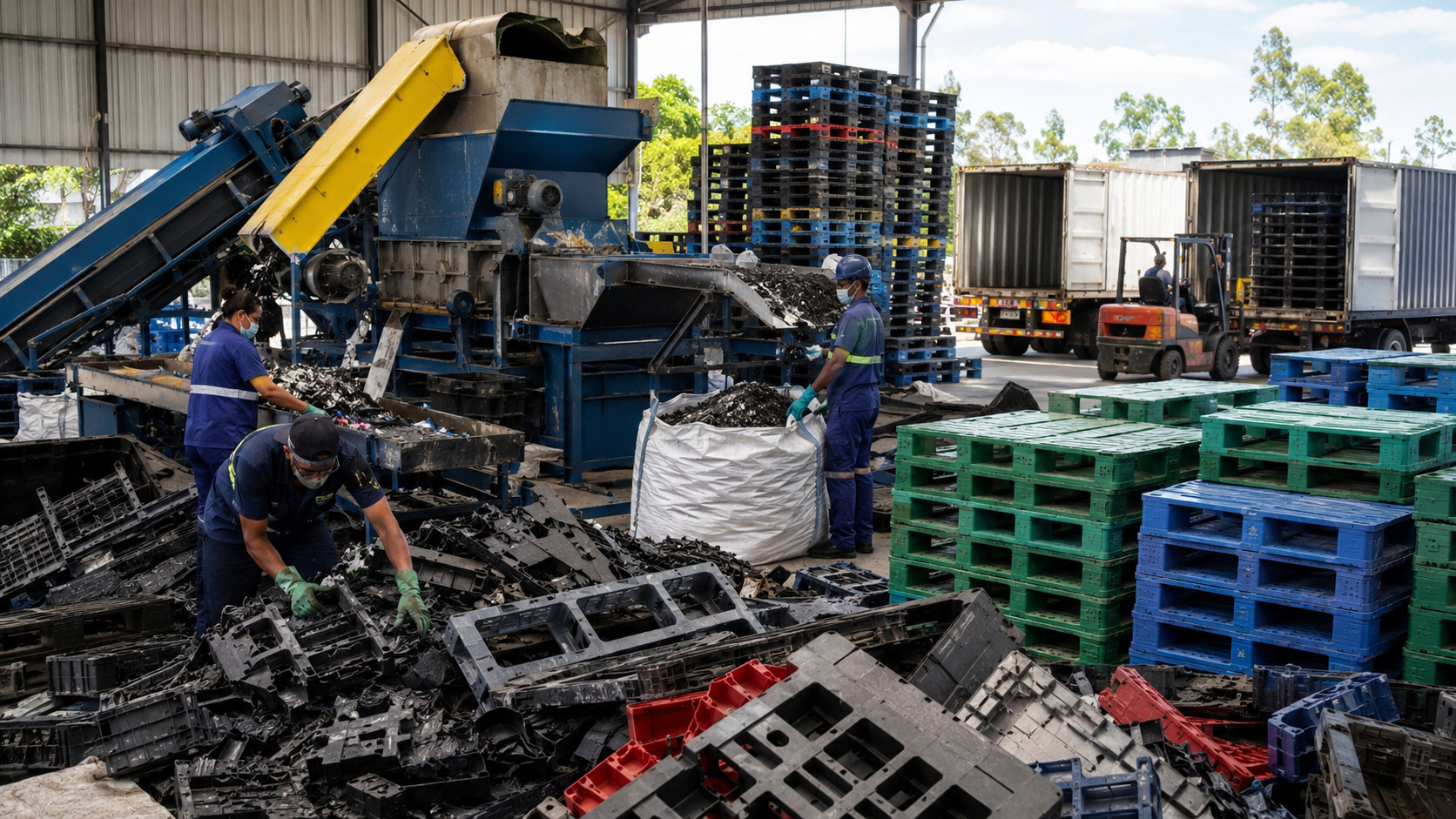
How a Brazilian company created a system that transforms broken pallets of any brand into new assets, recycles 80 tons of plastic per month, and found a profitable solution to a problem that challenges industries across the country.
-
Invasive bullfrog capable of devouring other amphibians and laying up to 20,000 eggs is found in Florianópolis, raising an alert about the threat to native fauna.


Collaboration between the public and private sectors remains vital for the success of these initiatives. Events and conferences, such as those promoted by the International Recycling Council since 2021, serve as platforms for sharing best practices and innovation. With society increasingly engaged, recycling is not just an environmental issue but also an important social agenda, promoting jobs and sustainable education in various communities. As we approach 2025, such practices are expected to expand further, driven by regulations and technological innovations.
Positive Economic and Environmental Impacts
Successful strategies have been increasing awareness and engagement of people in green practices, creating a significant economic impact. Companies invest in training employees to better understand the crucial role that recycling can play in strengthening cleaner production chains. This integration of sustainability into daily business operations demonstrates that with the right support, it is possible to combine economic development and environmental protection. The expectation is that the increase in recycling rates over the years will lead to a lesser dependence on newly extracted raw materials, prioritizing the responsible use of resources already present in our environment.
Enel Brazil’s Initiatives and Recycling
On May 17, Enel Brazil highlighted its initiatives aimed at the circular economy and proper disposal of waste generated in its operations. The company managed to recycle or recover approximately 98% of the more than 90 thousand tons of key components of the electrical system produced in its distributors in Rio de Janeiro, São Paulo, and Ceará, only in the year 2024. In the first quarter of this year, more than 10 thousand tons of materials have already been processed. Among the recycled materials are aluminum, copper, iron, plastic, porcelain, paper, cardboard, steel, wood, construction waste, and even concrete poles. The recycling of these wastes is part of the company’s strategy to increase circularity in its operational processes.
Circularity of Meters and Poles
Meters removed from the power grid follow circularity processes. For instance, in Enel São Paulo, since 2020, over 120 thousand meters have been recovered, reviewed, and reintegrated into the operation, saving more than R$21 million that would have been spent on purchasing new equipment. Various projects are integrated into the portfolio of actions that focus on the company’s development, combining operational efficiency with sustainable and circular practices. The poles replaced during maintenance or after accidents are sent to recycling companies, where their concrete and metal structures are separated and transformed into raw materials for other purposes, such as gravel, widely used in construction. This practice not only prevents the improper disposal of these materials but also promotes a true circular economy, reinforcing environmental sustainability.
Sustainable Strategies and Circular Economy
Ricardo Bomfim, Head of Circular Economy at Enel Brazil, emphasizes the company’s commitment to not only the proper disposal of 100% of the waste generated but also to adopting strategies that add value to end-of-life materials. All materials with recycling or reuse potential are sent to qualified companies contracted through bidding processes, always seeking circular solutions for each type of waste. Materials that cannot be recycled are disposed of according to the guidelines of the National Solid Waste Policy and relevant state legislation. In 2024, Enel Brazil saw significant results in its three concession areas.
Results and Internal Projects
At Enel Distribution Rio de Janeiro, around 10 thousand tons of waste were generated, with 94.4% of them recycled or recovered. At Enel Distribution São Paulo, approximately 75.5 thousand tons were generated, achieving a recycling rate of 99.4%. Meanwhile, at Enel Distribution Ceará, out of 4.7 thousand tons of waste, 81% were recycled or recovered. The collected waste is sent to logistical centers that coordinate its disposal to partner recyclers. Internal projects also focus on the reuse of materials such as revitalized meters, plastic repurposed for new underground boxes, metals, wood, and soil from circular projects, as well as the reuse of water tanks from construction sites in the region’s communities.
Impact on Carbon Footprint
The recycling and reuse practices adopted by Enel Brazil significantly contribute to reducing greenhouse gas emissions by minimizing the need to extract and process new materials. This approach strengthens Enel’s role in action against climate change and reinforces its commitments to global environmental goals while promoting recycling as an essential pillar of sustainable practices.
Source: ENEL Press