Portuguese
  Spanish


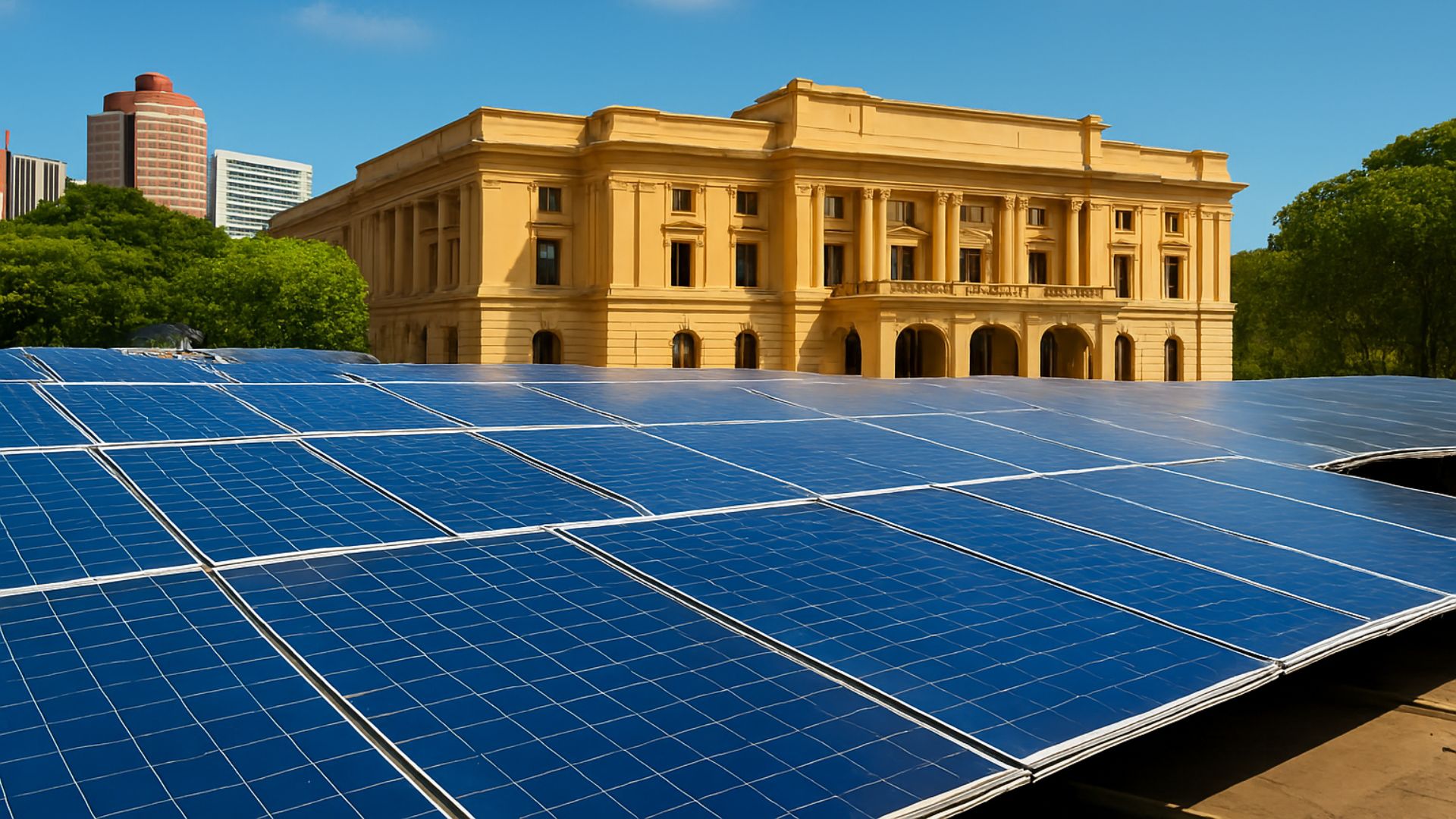

With an Investment of R$ 4.5 million, Enel Launches Sustainable Project at Sala São Paulo with Installation of Photovoltaic Plant and Efficient Air Conditioning System, Reinforcing the Use of Solar Energy in Cultural Spaces
Enel announced, this Friday (19), an investment of R$ 4.5 million in the modernization of Sala São Paulo, located in the Júlio Prestes Cultural Complex, in the center of São Paulo.
The project includes the installation of a photovoltaic plant, improvements in air conditioning, and replacement of lighting points, focusing on energy efficiency and sustainability.
This move reinforces Enel’s commitment to the energy transition and democratization of access to culture, by combining technological innovation with the preservation of historical heritage.
-
World’s Largest Engie Solar Plant in Brazil Highlights Billion-Dollar Energy Waste Issue: Company Considers Batteries and Bitcoin Mining to Avoid Wasting Production

-
Over 60 Tractors Take to the Streets in Lopera as Solar Parks Compete with Olive Groves, Affecting 13,000 to 100,000 Trees According to Conflicting Reports

-
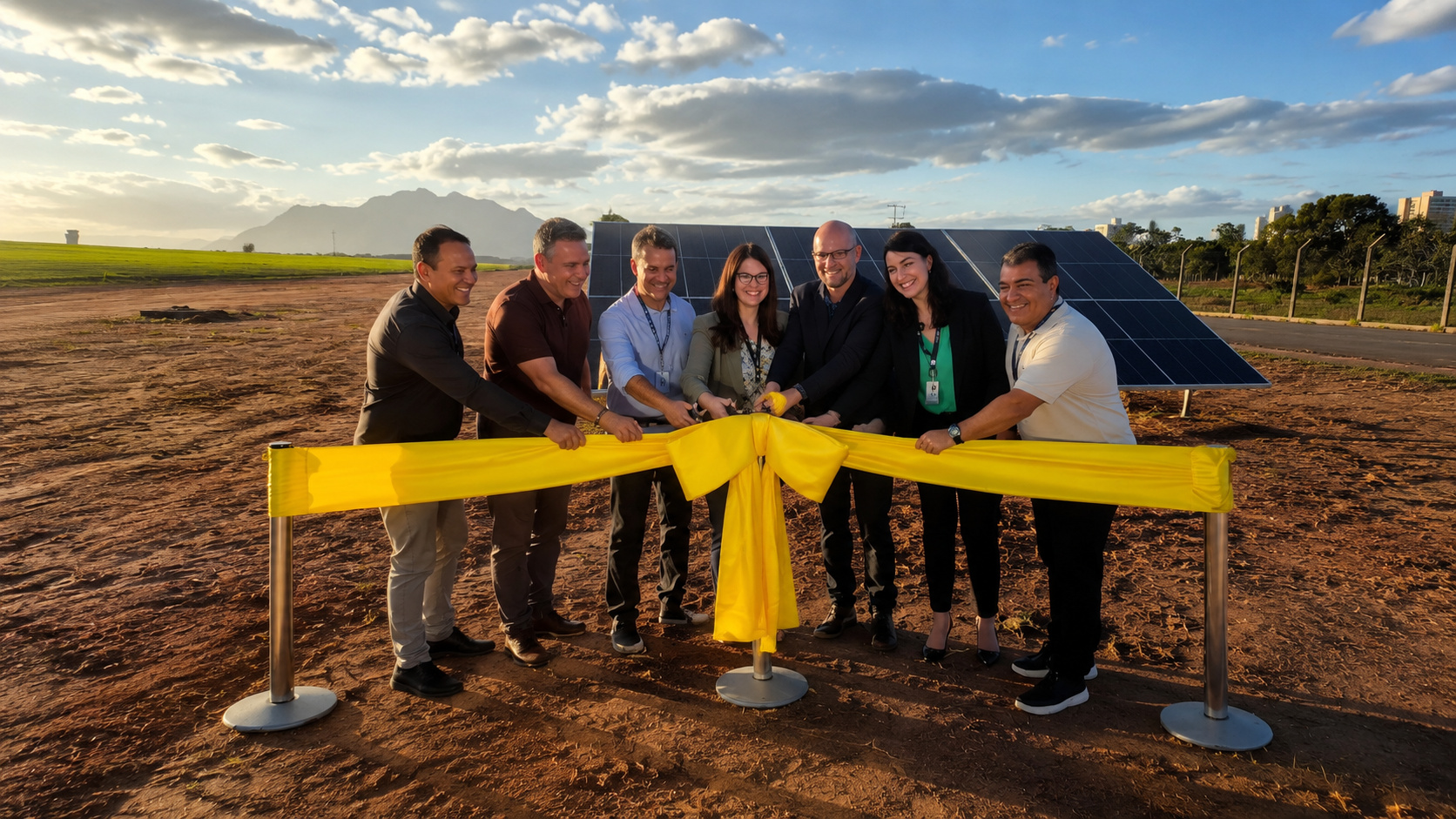
Brazil’s Vitória Airport to Launch Solar Plant Covering Area of 10 Soccer Fields, Boosting Clean Energy and Cutting Costs
-
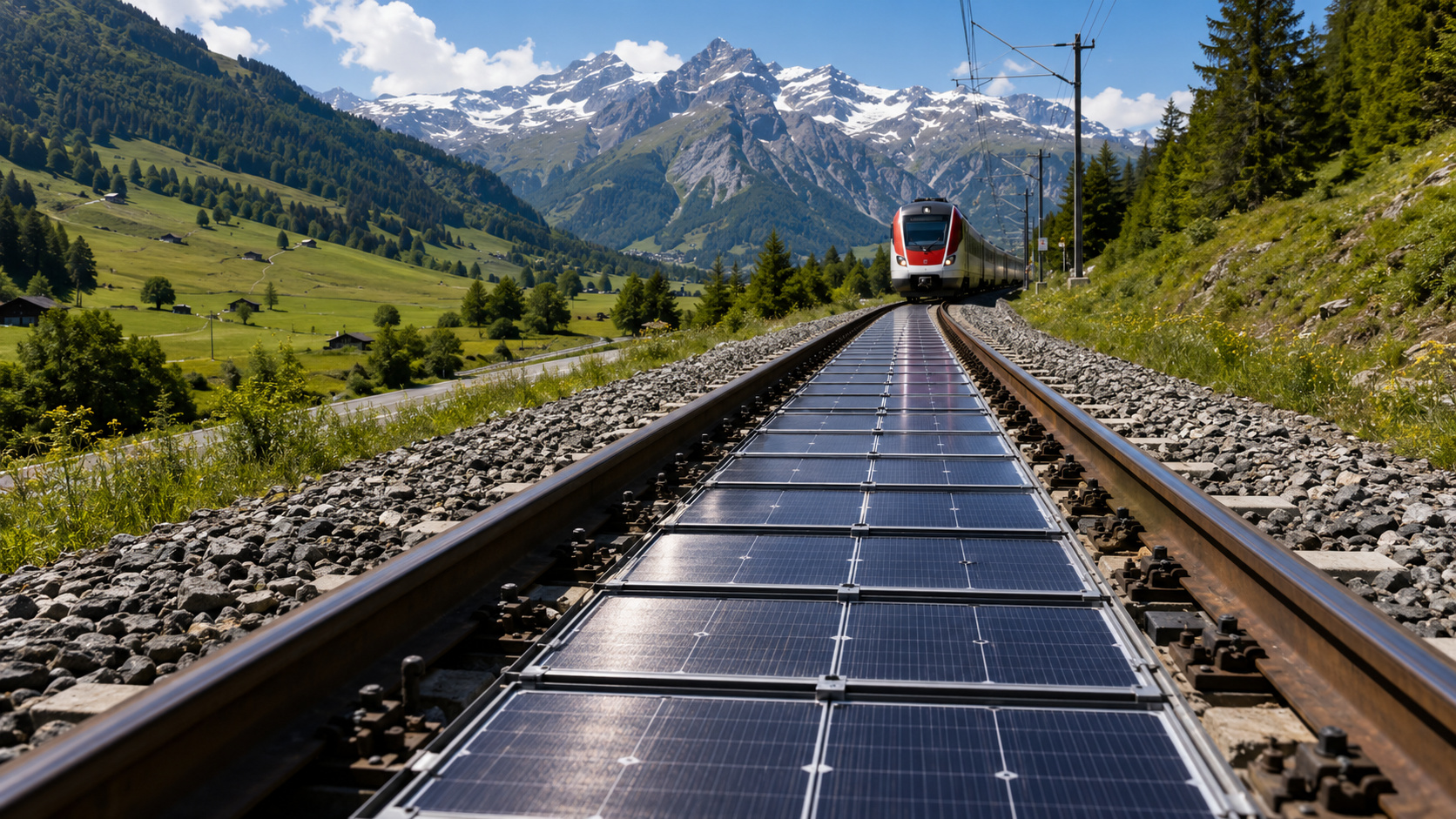
Switzerland Converts Train Tracks into Solar Power Plants with Removable Panels to Generate Energy Without Using Additional Land


Sala São Paulo Receives Investment in Solar Energy and Air Conditioning
Sala São Paulo, considered one of the main cultural centers in Brazil, will benefit from a project aimed at reducing electricity consumption and increasing the use of renewable sources. The plan includes:
- Installation of a photovoltaic plant in the complex’s parking lot, with solar panels that will form a corridor of clean generation.
- Replacement of 128 lighting points with more efficient models.
- Implementation of a new air conditioning system, with lower energy consumption.
According to Enel, the expectation is to save 478 MWh per year, which is equivalent to the average consumption of approximately 200 São Paulo households. The initiative also contributes to the reduction of greenhouse gas emissions, aligning with global sustainability goals.
Enel Invests in Photovoltaic Plant to Transform Cultural Spaces
The installation of the photovoltaic plant at Sala São Paulo is part of a broader strategy by Enel to promote the use of solar energy in urban environments. The company has been investing in projects that combine sustainability and social impact, focusing on:
- Reducing the carbon footprint in public spaces.
- Encouraging the adoption of clean technologies in cultural and educational centers.
- Partnerships with private and governmental institutions to promote the use of solar energy.
The photovoltaic plant installed by Enel represents a symbolic milestone in the integration of culture and sustainability, showing that historical spaces can also be protagonists in the energy transition.
Partnership Between Enel and Fundação Osesp Strengthens Culture and Sustainability
Fundação Osesp, responsible for the management of Sala São Paulo and the São Paulo State Symphonic Orchestra, is a partner of Enel in this project. In addition to structural modernization, the agreement provides for:
- Sponsorship of the 2025 season of Osesp.
- Support for special projects such as “Historical Meetings,” which combine concert music and MPB.
- Distribution of tickets and actions to democratize classical music.
This collaboration reinforces Enel’s role as an agent of social transformation, by investing not only in infrastructure but also in cultural initiatives that broaden the population’s access to art.
Environmental and Social Impacts of Enel’s Investment
Enel’s investment in Sala São Paulo brings benefits that go beyond energy savings. Among the main impacts are:
| Impact | Description |
| Environmental | Reduction of CO₂ emissions through the use of solar energy |
| Economic | Decreased operational costs of Sala São Paulo |
| Social | Increased access to culture through inclusive actions |
| Educational | Encouraging awareness about sustainability |
The integration between technology and culture creates a replicable model for other public spaces, showing that it is possible to preserve heritage and innovate at the same time.
Enel and the Advancement of Solar Energy in Brazil
Enel has established itself as one of the main renewable energy companies in the country. With a presence in several states, the company leads distributed generation projects and large solar plants. According to data from the National Electric Energy Agency (ANEEL), Brazil exceeded 55 GW of installed solar energy capacity in 2025.
The investment in Sala São Paulo reinforces Enel’s strategy of expanding its presence in urban environments, promoting sustainable solutions that engage with society.
Furthermore, Enel has been investing in professional training programs aimed at the solar energy sector, contributing to job creation and the development of technical skills in vulnerable communities.
Sala São Paulo: Cultural Heritage Driven by Solar Energy
Opened in 1999, Sala São Paulo is internationally recognized for its acoustics and architecture. Located in the old Sorocabana Railway building, the space is listed as a historical heritage and hosts concerts, festivals, and events of great cultural relevance.
The energy modernization led by Enel preserves the identity of the space while projecting it into the future, ensuring thermal comfort, adequate lighting, and reduced environmental impacts.
The efficient air conditioning is especially relevant for the preservation of musical instruments and for the comfort of artists and the audience. With the new system, a significant improvement in the experience of Sala São Paulo visitors is expected.
Enel’s Investment as a Model of Sustainable Innovation
The announcement marks an important step in the integration of culture and clean energy. With an investment of R$ 4.5 million, Enel transforms Sala São Paulo into a reference for energy efficiency and solar energy use, without compromising its historical and artistic essence.
The initiative shows that it is possible to reconcile technological innovation with cultural preservation, creating more sustainable, accessible, and inspiring spaces. The photovoltaic plant and the new air conditioning system are not just technical improvements — they are symbols of a more conscious future connected to the planet’s needs.
This project also serves as an example for other cultural and educational institutions seeking to reduce their environmental impacts. By uniting investment, technology, and social responsibility, Enel reaffirms its role as a protagonist in building a more sustainable Brazil.