Portuguese
  Spanish


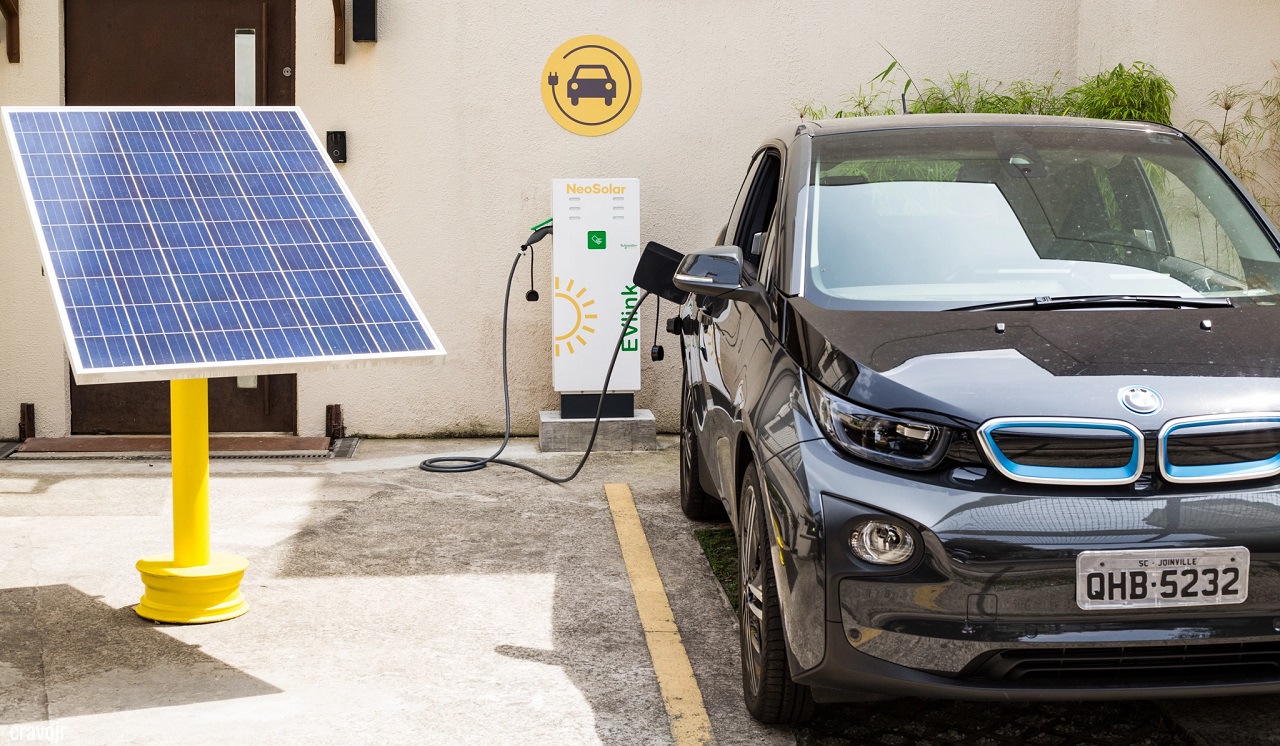

The Global Clean Energy Trend Gains Traction in Brazil
Solar energy, used to power electric cars, is gaining popularity worldwide as the search for cleaner and more sustainable energy sources intensifies. According to ANFAVEA (National Association of Motor Vehicle Manufacturers) and the Boston Consulting Group (BCG), by 2030, electric cars will represent 5% of the Brazilian fleet, with an annual sales expectation of 180,000 units.
Currently, solar energy stands out as the most economical option for charging electric vehicles, and it is a clean and renewable energy source that does not produce greenhouse gas emissions and does not rely on fossil fuels like oil or natural gas. Furthermore, in light of the increasing demand for electric vehicles, solar energy emerges as a viable alternative to meet the challenge of sustaining electrical supply, as electricity generation from hydropower is becoming increasingly pressured due to recurring water rationing in the country.
Solar Energy on the Rise: The Dominant Source by 2050
According to the National Electric Energy Agency, solar energy currently provides about 109.7 GW and is expected to become the most used energy source by 2050, surpassing hydropower. To charge electric cars, solar energy can be harnessed in two ways: by installing solar panels on homes or businesses that generate electricity from sunlight or through electric vehicle charging stations powered by photovoltaic systems.
-
Brazil Aims to Become a Global Exporter of Green Hydrogen, the Clean Fuel Set to Generate Billions

-
Brazil to Hold First Offshore Wind Energy Auction, Aiming to Become the Country’s New Hydropower
-
Solar Chimney in Spain Harnessed Sun to Generate Electricity for 7 Years Without Burning Fuel

-
Brazil to Hold First Auction for Batteries to Store Solar and Wind Energy from the Northeast



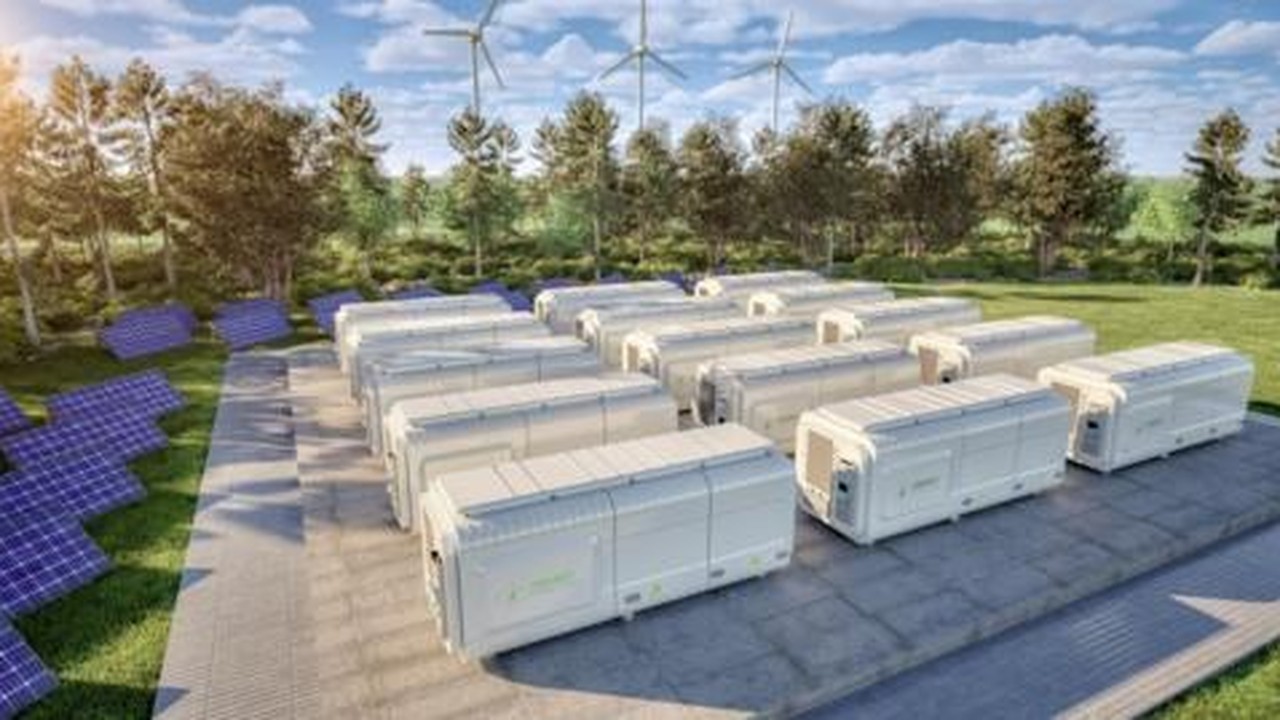
Setting Up a Charging Point: Considerations and Benefits
When setting up a private charging point, it is important to consider the desired charging capacity, the location of the residence, and the type of installation. The guidelines are established by ANEEL (National Electric Energy Agency) and include safety measures and protection against overloads on the electrical grid. Installing solar panels can be an advantageous option for electric car owners, as the energy generated can be used to charge the vehicle at no additional cost. Additionally, it contributes to reducing the owner’s carbon footprint, as the energy generated is clean and renewable.