Portuguese
  Spanish


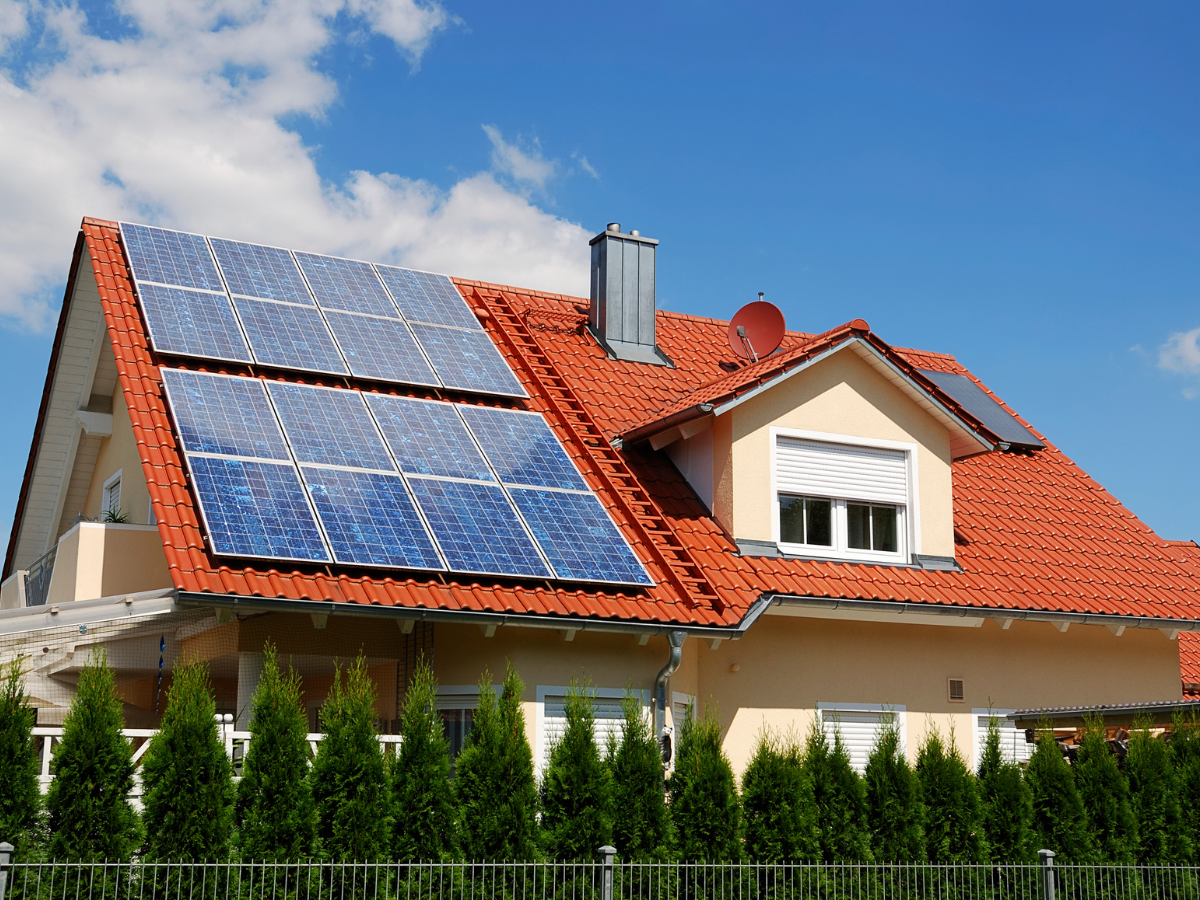

In The Face Of Blackouts In Rio Grande Do Sul, Brazilians Turn To Solar Energy To Save And Have Autonomy.
The crisis in the supply of electricity in Rio Grande do Sul has sparked a growing movement of consumers seeking more reliable and sustainable solutions. In the face of instability caused by frequent blackouts and the high cost of energy, solar energy is establishing itself as a viable, economical, and strategic alternative for thousands of Brazilians.
With increasingly accessible and efficient photovoltaic systems, homes and businesses have invested in energy self-sufficiency while the state’s power grid faces historical difficulties.
Rio Grande Do Sul Faces Supply Crisis: Distributors Are Among The Worst In The Country
The energy scenario in Rio Grande do Sul is worrisome. In 2024, CEEE Equatorial, one of the main distributors in the state, had the worst performance in the country according to the National Electric Energy Agency (Aneel) ranking.
-
Solar energy can increase property value by up to 10% and become a selling point.

-
Solar and wind energy surpass natural gas for the first time in the world and accelerate energy revolution

-
Africa has about 500,000 cell towers and most still burn diesel to operate, while companies rush to cover antennas with solar energy and avoid signal blackouts.
-
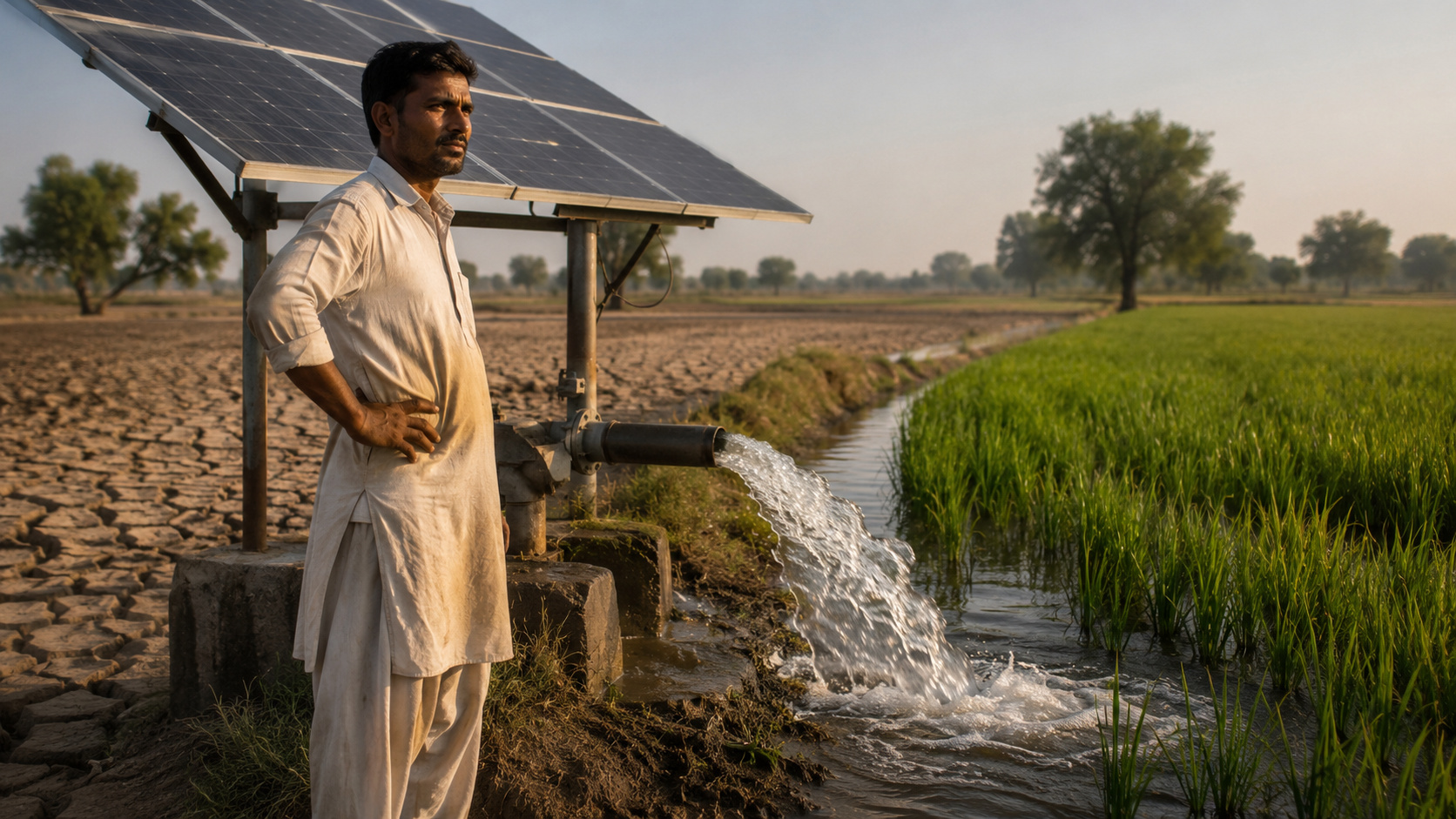
Farmers swapped diesel for solar panels in Pakistan, powered irrigation pumps almost cost-free, expanded rice fields, and now groundwater has become a red alert in the countryside.


Even disregarding the extreme weather events that marked the region, the company ranked last, revealing systematic management and infrastructure failures.
Another supplier in the state, RGE, also experienced a drop in performance, falling six positions from the previous year and occupying only the 15th place.
This instability has generated insecurity and discomfort for thousands of consumers, who, faced with the fragility of the power grid, seek more reliable alternatives.
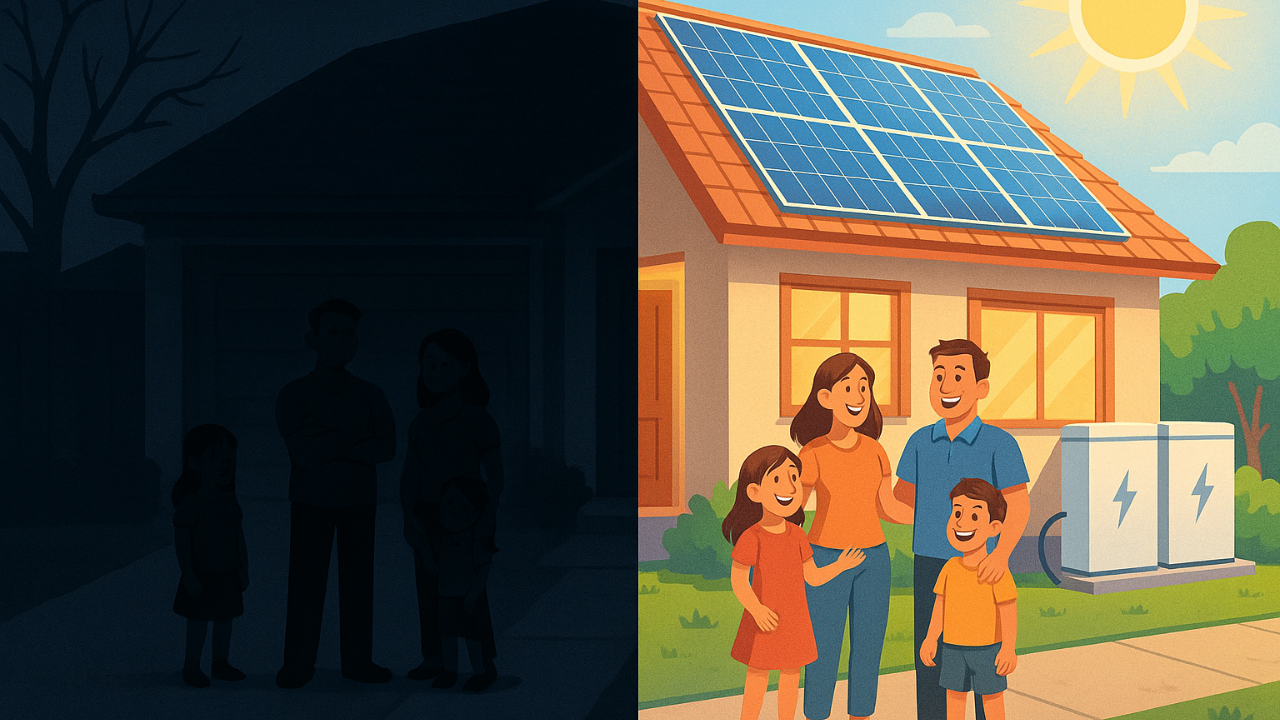
Solar Energy: Savings, Autonomy And Stability In Uncertain Times
In this context of uncertainty, solar energy emerges as an increasingly adopted solution by the people of Rio Grande do Sul.
The advancement of technology, combined with a significant reduction in installation costs, has driven the popularization of photovoltaic systems in Brazil.
Between 2022 and 2025, the price of solar panels dropped by about 60% for the end consumer, according to data from the Meu Financiamento Solar platform.
The initial investment, which ranges from R$ 15,000 to R$ 35,000 for a standard residence, may seem high at first glance.
However, the return is highly rewarding: the savings generated on the electricity bill often exceed the value of the financing installments, making the system more attractive than many financial products.
Distributed Generation Gains Strength And Transforms Consumers Into Protagonists
With the ability to generate and consume their own energy, users gain autonomy and help to ease the burden on the public grid.
The so-called distributed generation, especially in the residential sector, leads this growth and symbolizes a true paradigm shift.
Cristiano Mendes Ghessi, Technician in Electrical Engineering and Technical and Commercial Manager at Drystore, emphasizes this perspective:
“When you install solar energy in a home, the entire supply system is helped because it reduces consumption, and what ‘remains’ is fed back to the grid, reducing the burden on the transmission network, as well as, of course, a considerable reduction in the bill.”
Solar Market Expansion In Brazil: Historical Data Reinforces Trend
The year 2024 marked a historical record in the import of photovoltaic modules.
According to the consultancy Greener, Brazil brought in 20.19 GW of solar equipment—the largest volume ever recorded. This number confirms the growing appetite of Brazilians for a cleaner and safer energy matrix.
Companies in the sector are following this wave of growth. Drystore, specializing in solar solutions, reported a 73% increase in sales in the first quarter of 2025 compared to the same period in 2024.
The numbers jumped from R$ 499.2 thousand to R$ 777.8 thousand—a result that reveals not only the sector’s expansion but also consumer confidence in the technology.
Solar Energy As A Strategic Response To The Energy Crisis
In addition to providing savings, solar energy also drives sustainable development, generates jobs, attracts investments, and strengthens national energy independence.
In Rio Grande do Sul, where blackouts have become frequent, adopting solar generation is more than a trend—it’s a strategic and urgent necessity.
For many consumers, waiting for improvements in services from utilities is no longer an option. The moment requires action and long-term vision.
Investing in solar energy represents, above all, a commitment to a safer, cleaner, and more efficient future—not only for the present but for future generations.
Source: Correio do Povo