






 Portuguese
  Spanish
  2 min of reading
  0 comments


Against The Decline Predictions, Solar Energy In Brazil Demonstrates A Strong Growth Potential, Driven By Strategic Government Policies And A Growing Commitment To Sustainability.
Solar energy in Brazil faced a 2023 of uncertainties, marked by concern over the possible “sun tax.” However, the reality turned out to be quite different. Law 14300, which regulated distributed generation, did not significantly impact the viability of photovoltaic projects, contrary to negative expectations. What really surprised the sector were the measures and programs launched throughout the year, aiming to make Brazil’s energy matrix more renewable, with solar photovoltaic energy gaining prominence as a key solution for these goals.
Revolutionary Incentives For Solar Energy
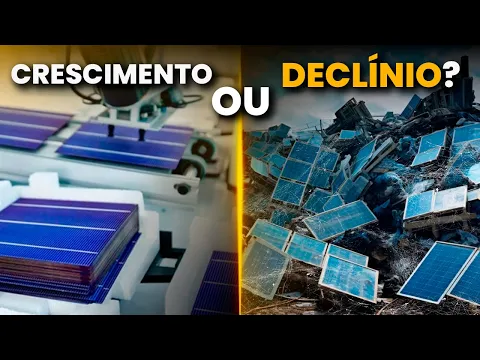

Among the implemented actions, decree no. 11456 stands out, which expands the Support Program for Technological Development of the Semiconductor Industry (PADIS), now including the solar photovoltaic energy market. This program, originally created in 2007, offers significant tax exemptions to foster the national production of solar panels, aiming to reduce costs and stimulate the adoption of solar energy.
In addition, Law 14620 reactivated the Minha Casa Minha Vida program, now encouraging the installation of solar panels in government-financed housing. This measure allows not only the generation of clean energy in homes but also the commercialization of excess energy with public entities, representing a significant advancement in democratizing access to solar-derived energy in Brazil.
-
Brazilian scientists are simultaneously advancing two research projects on clean hydrogen and driving solutions that could transform the energy matrix, enhance industrial competitiveness, and accelerate large-scale emission reduction targets.

-
Advancement in renewable energy: A R$ 150 million project launched by Petrobras and Finep aims to create state-of-the-art electrolyzers for green hydrogen, strengthening national research and preparing Brazil to compete in a billion-dollar energy market.
-
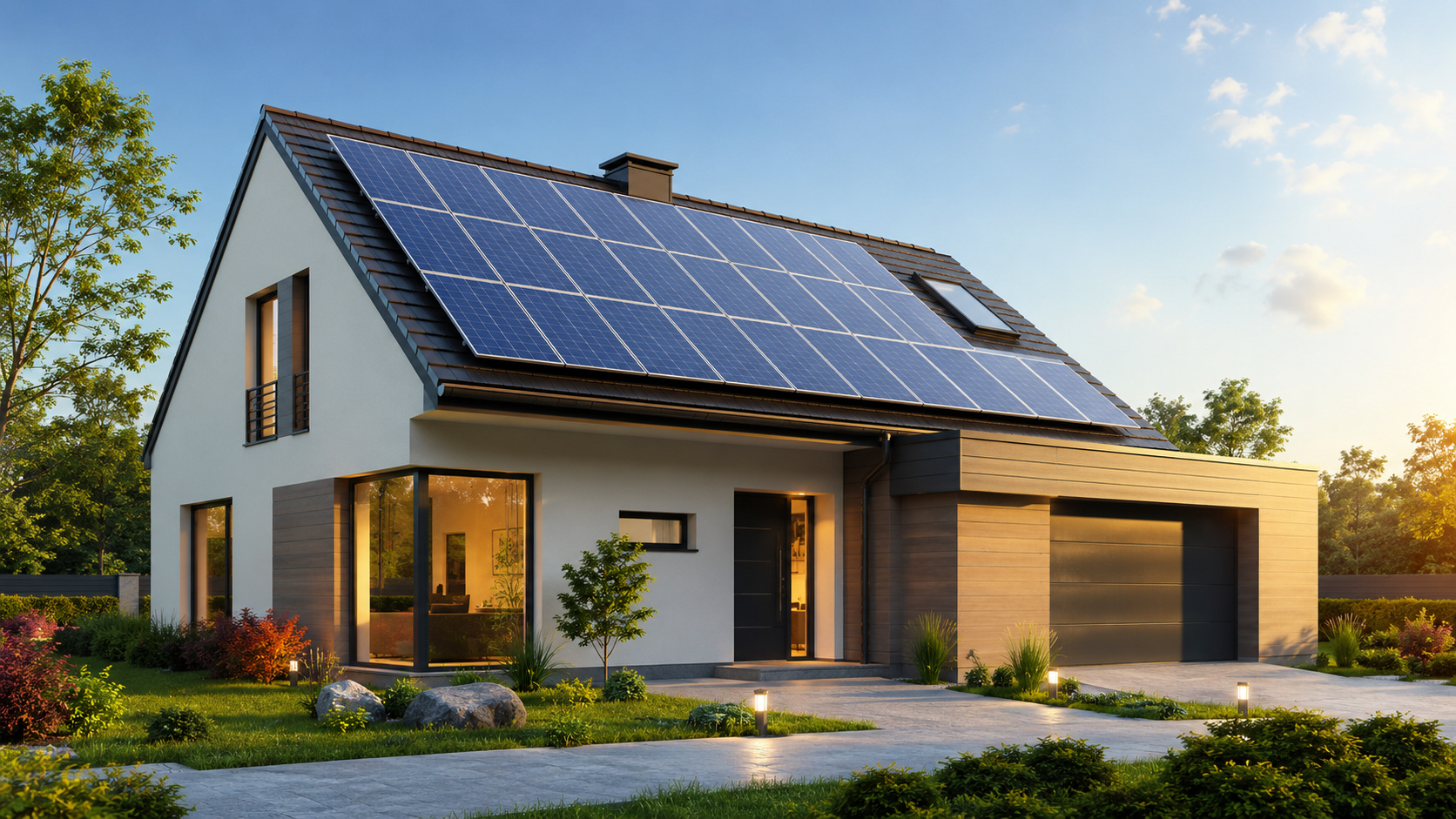
Solar energy can increase property value by up to 10% and become a selling point.
-
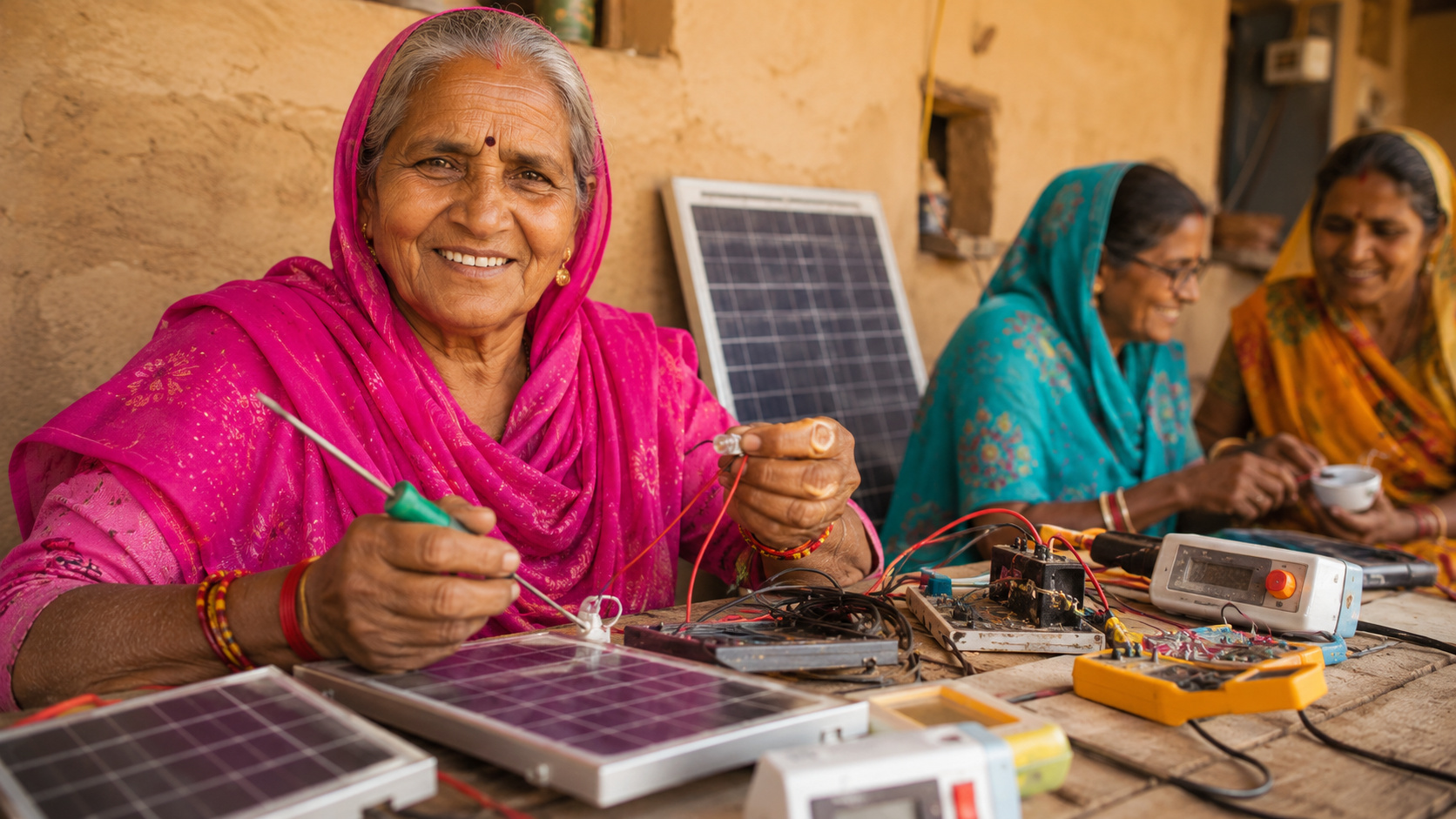
Illiterate or semi-literate grandmothers were trained to repair solar systems, open rural workshops, and light up homes that still depended on kerosene.


Amazônia Energy Program
One of the most impactful announcements of 2023 was the launch of the Amazônia Energy Program by the Ministry of Mines and Energy. The goal is ambitious: to replace 70% of electricity generation from diesel thermoelectric plants with renewable sources, such as solar energy, by 2030 in the Amazon region. With a projected investment of around 5 billion, this program aims not only to promote sustainability but also to reduce energy generation costs, benefiting the entire Brazilian population.
Solar Energy In Brazil Is Growing
These measures not only reinforce Brazil’s position as a leader in renewable energy in Latin America but also signal a promising future for solar photovoltaic energy in the country. With the implementation of these programs and incentives, a significant increase in the adoption of solar energy is expected, from large industries to the humblest homes, requiring an increasingly skilled workforce. Brazil is therefore making great strides to solidify its energy transition to cleaner and renewable sources.







Be the first to react!