






 Portuguese
  Spanish


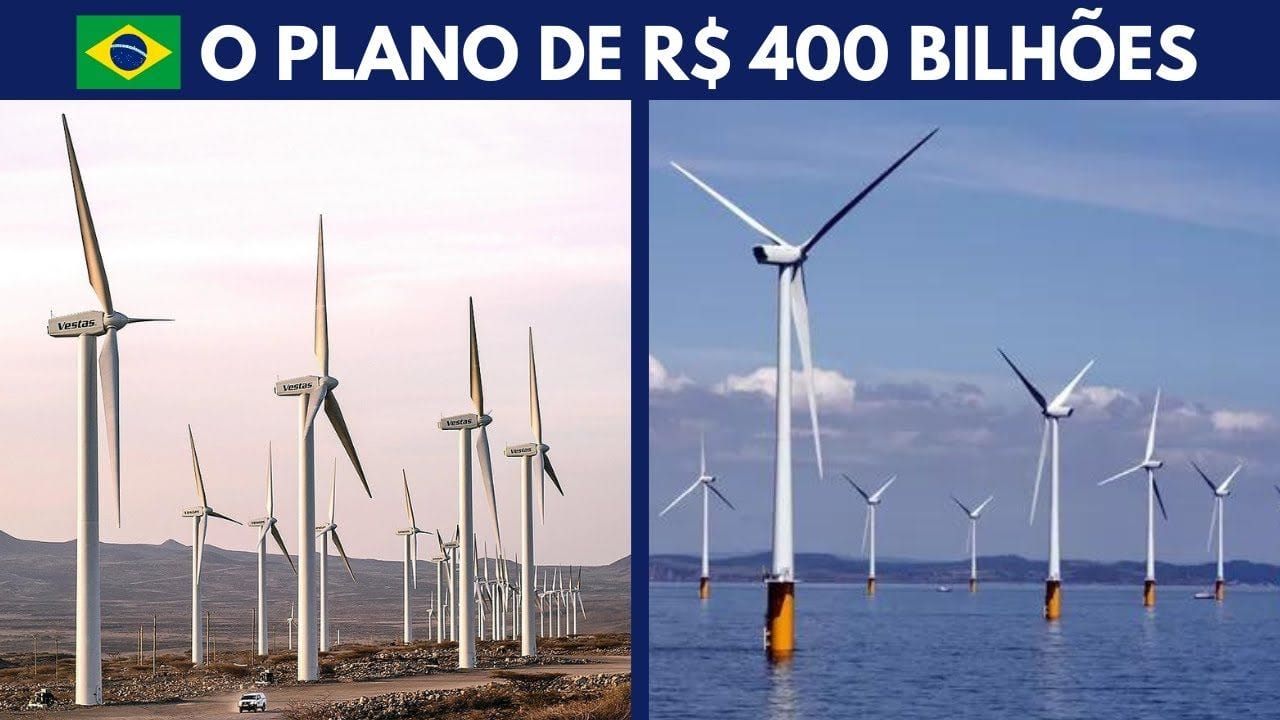

The Northeast Is Positioned Not Only as a Leader in Wind Energy Generation in Brazil but as a Global Example of How Geography, Investment, and Innovation Can Converge for a Sustainable Energy Transition.
The Brazilian Northeast stands out as the epicenter of the wind energy revolution in the country, with nine of the ten largest wind farms located in the region. This phenomenon is no coincidence; the unique geography and more affordable land costs make the Northeast the ideal location for the development of wind and solar projects. In May 2023, the region was responsible for an impressive 83% of Brazil’s combined solar and wind energy generation, equivalent to a capacity of 28.3 GW, sufficient to supply more than 30 million homes.
Unmatched Capacity and Billion-Dollar Investments in Wind Energy
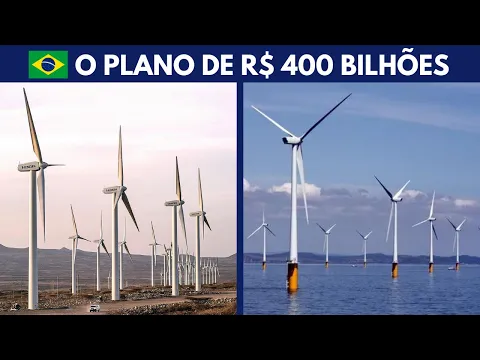

The states of the Northeast have a projected and under-construction wind generation capacity exceeding 100 GW. With investments expected to reach R$ 400 billion, of which R$ 120 billion is allocated for 2024 alone, the region is preparing for an unprecedented leap in clean energy production.
This advancement is supported by the potential identified by the Global Wind Atlas, which highlights the interior and northern coast of the Northeast, as well as the south of the country, as areas with particularly strong winds, attracting investors for both onshore (onshore) and offshore projects.
-
World’s Largest Engie Solar Plant in Brazil Highlights Billion-Dollar Energy Waste Issue: Company Considers Batteries and Bitcoin Mining to Avoid Wasting Production

-
Air Products Cancels $2.9 Billion Clean Hydrogen Megaproject in Louisiana, Shuts Down Arizona Unit, Highlighting High Costs of U.S. Energy Transition
-
Over 60 Tractors Take to the Streets in Lopera as Solar Parks Compete with Olive Groves, Affecting 13,000 to 100,000 Trees According to Conflicting Reports

-
Green Hydrogen Projects in Northeastern Brazil Stalled for 18 Months Awaiting Government Decree, Delaying Billions in Investments


The Offshore Revolution and the Future of Green Hydrogen
In the offshore scenario, the Northeast stands out with half of Brazil’s 74 official projects, potentially reaching a generation capacity exceeding 210 GW. Offshore turbines, capable of producing up to 12 MW each, promise stability and energy efficiency due to access to more consistent winds. This initiative will not only strengthen national energy production but also boost green hydrogen production, positioning Brazil as a leader in the export of this future fuel.
Despite the optimism, the advancement of wind energy faces challenges, including the need to balance technological development with social impact on local communities. The lack of regulations establishing minimum distances between turbines and residences is already causing conflicts in Seridó, between Rio Grande do Norte and Paraíba, where life is impacted by noise and dust. Additionally, technical and non-technical losses in energy transmission, which reached about 14.8% of the consumer market in 2020, represent another challenge to be overcome.
Interconnection and Network Expansion
To mitigate some of these challenges, China’s State Grid is leading an R$ 18 billion project to strengthen interconnection between the North and Northeast with other regions, aiming to expand the capacity to transmit excess generation.
This project is crucial for the effective integration of wind energy into the national energy matrix, ensuring that production can reach all corners of the country. With significant challenges still to be overcome, the region is moving firmly towards a future where clean and renewable energy is the backbone of economic and environmental development.





Como e esse plano