






 Portuguese
  Spanish


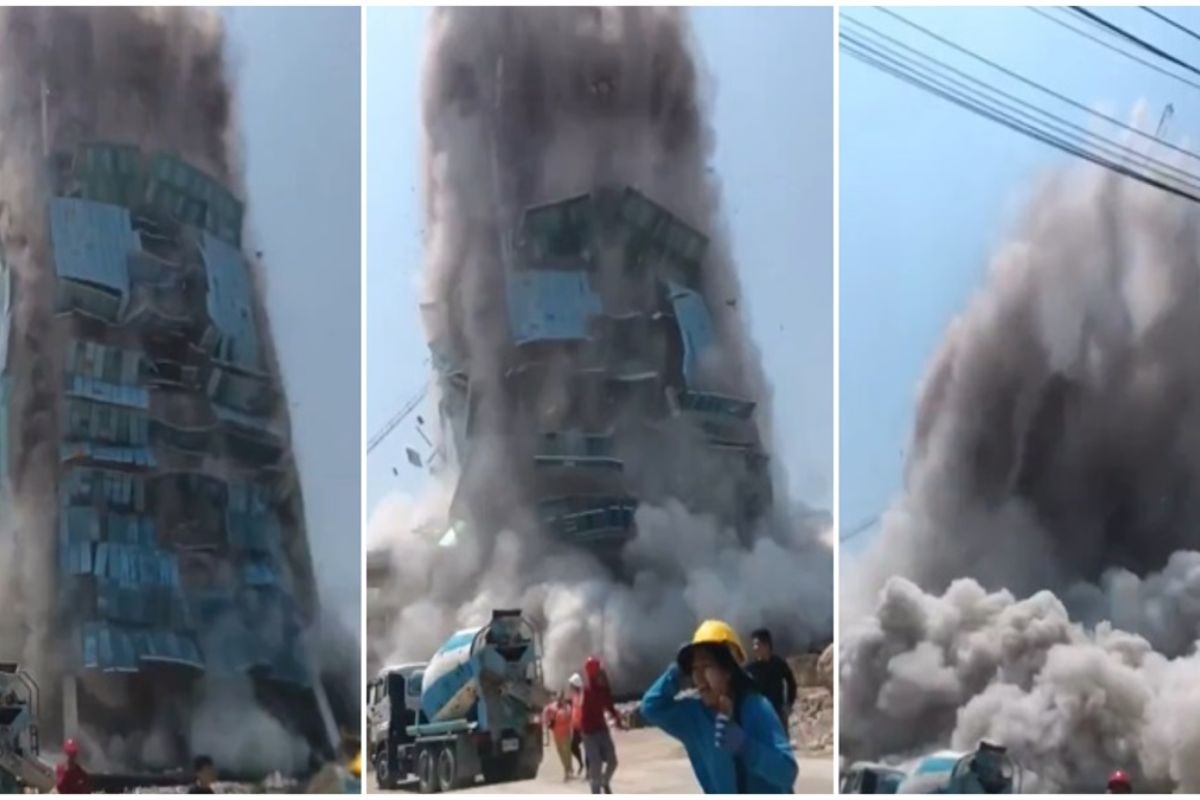

Chinese Engineering Is Accused of New Building Collapse in Bangkok During Earthquake Felt in March. Construction Flaws (‘Tofu-Dreg’) May Be the Real Cause, Not Just the Earthquake.
An earthquake that occurred in Myanmar in March 2025 was strongly felt in Bangkok, Thailand’s capital. While many buildings swayed but stood firm, a new, still-under-construction building collapsed completely. The incident raised serious accusations against the quality of Chinese engineering, responsible for the work, linking the collapse to the phenomenon known as “Tofu-Dreg.”
Earthquake in Myanmar Hits Bangkok; New Building Collapses
The earthquake centered in Myanmar on March 27, 2025, caused significant tremors in relatively distant Bangkok. Videos showed tall buildings swaying and objects falling. However, most of the city’s modern constructions, prepared for seismic activity, remained standing. The exception was a newly constructed building, still under construction, which spectacularly collapsed during the tremors, resulting in casualties among the workers present.
Accusations of ‘Tofu-Dreg’: Suspicion Falls on Chinese Engineering
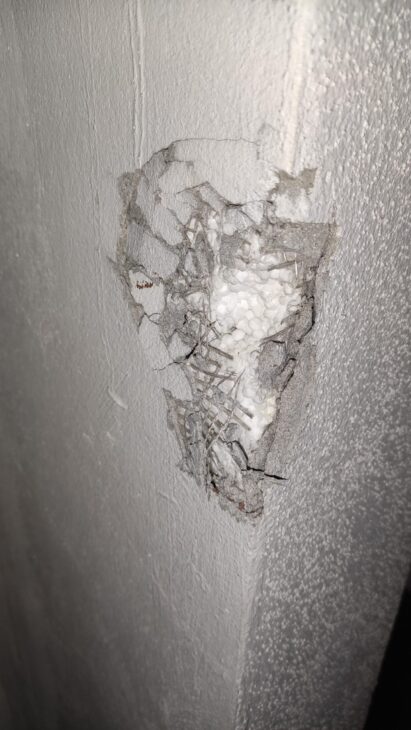
The collapse of a new building while others stood led to immediate suspicions. Attention turned to the contractor, the Chinese state-owned CRC10 (China Railway Number 10 Engineering Company). The project was part of China’s “Belt and Road” initiative and was intended for a Thai government agency.
-
Prefabricated Home Assembled in Days Offers Cleaner, More Efficient Construction with Factory-Made Panels, Requires Technical Design to Prevent Moisture Issues

-
Single Mother Working Three Jobs Receives 111 m² 3D-Printed Home with Concrete Walls Built in 12 Hours, Featuring 3 Bedrooms, 2 Bathrooms, and a Printer for Replacement Parts

-
Simple Technique to Restore Rusty Metal Window Grilles Gains Attention for Revitalizing Old Structures Without Full Replacement

-
Couple Transforms Suffolk’s Last 1891 Windmill into Luxurious Four-Story Home with Zinc Observation Room in England




Accusations quickly arose that the collapse was an example of “Tofu-Dreg.” This is a popular term in China describing poorly made engineering projects, with low-quality materials that collapse easily.
Evidence and Allegations of Construction Flaws
Suspicions regarding Chinese engineering were bolstered by several facts. Soon after the collapse, Chinese workers were reportedly seen hurriedly removing documents from the site. This raised questions about what they were attempting to conceal. Preliminary investigations and observations of the debris, according to sources, point to severe construction flaws.
Allegations include the use of questionable or counterfeit rebar. There are indications that the concrete did not bond correctly with the steel, suggesting issues with pouring or curing time. The project was also behind schedule, which may have led to haste and the use of inadequate materials.
Chinese Engineering Under Scrutiny: Other Cases and Warning for Brazil
The Chinese contractor CRC10, responsible for the collapsed building, is reportedly involved in other projects in Thailand with structural problems, many linked to the Silk Road. The source also cites the example of a hydroelectric plant in Ecuador, built by a Chinese consortium, that exhibited numerous flaws.
These cases raise questions about the standards of Chinese engineering in international projects. The warning extends to Brazil, where several Chinese engineering companies operate, even though the country is not officially part of the Silk Road.
Earthquake Was the Trigger, But Flawed Construction Would Be the Real Cause
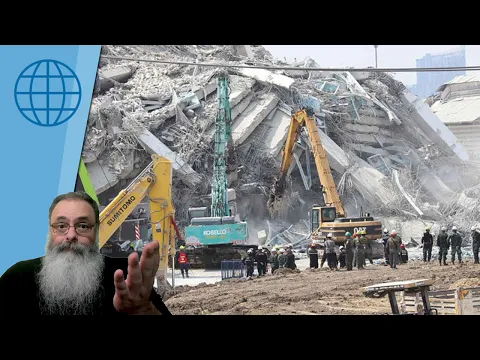

The conclusion that emerges from the presented information is that the earthquake in Myanmar was the trigger, but not the underlying cause of the collapse. The real cause would be the poor quality of construction, resulting from inadequate practices attributed to Chinese engineering “Tofu-Dreg.”
The building lacked the necessary characteristics to withstand a seismic shock that other constructions resisted. The collapse before the building was fully occupied, although tragic due to the fatalities, prevented an even greater disaster.


