






 Portuguese
  Spanish


The Recent Discovery Of A Large Oil Reserve Made By Guyana Located On The Equatorial Margin Grabs The Attention Of The Global Energy Industry. On The Other Hand, Petrobras Still Needs Ibama Approval To Explore The Region.
In the last decade, the region of Guyana has been in the spotlight due to an impressive discovery: an oil reserve on the Equatorial Margin that has reached the mark of 11 billion barrels. This represents a significant milestone, equivalent to approximately 75% of Brazil’s total oil reserve, which includes both the Pre-salt and all producing basins. Guyana, which is already producing 375,000 barrels per day, has shown surprising potential in oil exploration, while the neighboring country, Suriname, has identified a reserve of over 4 billion barrels, but has not yet started commercial exploration of this valuable resource. Additionally, Petrobras is interested in exploring the region but is awaiting Ibama’s approval for that.
Historical Discovery Puts Guyana Ahead In The Race For Oil, While Suriname Also Emerges On The Petroleum Scenario
About eight years ago, Guyana embarked on the search for “black gold” in deep waters, extending its efforts from the Equatorial Margin to the Rio Grande do Norte, in Brazil.
Currently, Guyana is leading exploratory efforts in the region and has already auctioned concessions for 42 blocks designated for oil exploration.
-
Petrobras to Double Natural Gas Supply in Northeastern Brazil with New Investment

-
Petrobras Approves $1.2 Billion Refinery in Brazil to Produce Aviation Fuel and Diesel from Plants
-
Petrobras Secures $2.2 Billion Contract to Build and Operate Four Support Vessels for Brazil’s Offshore Oil Fields
-
Oil production grows in Rio, but reserve replacement raises a warning sign


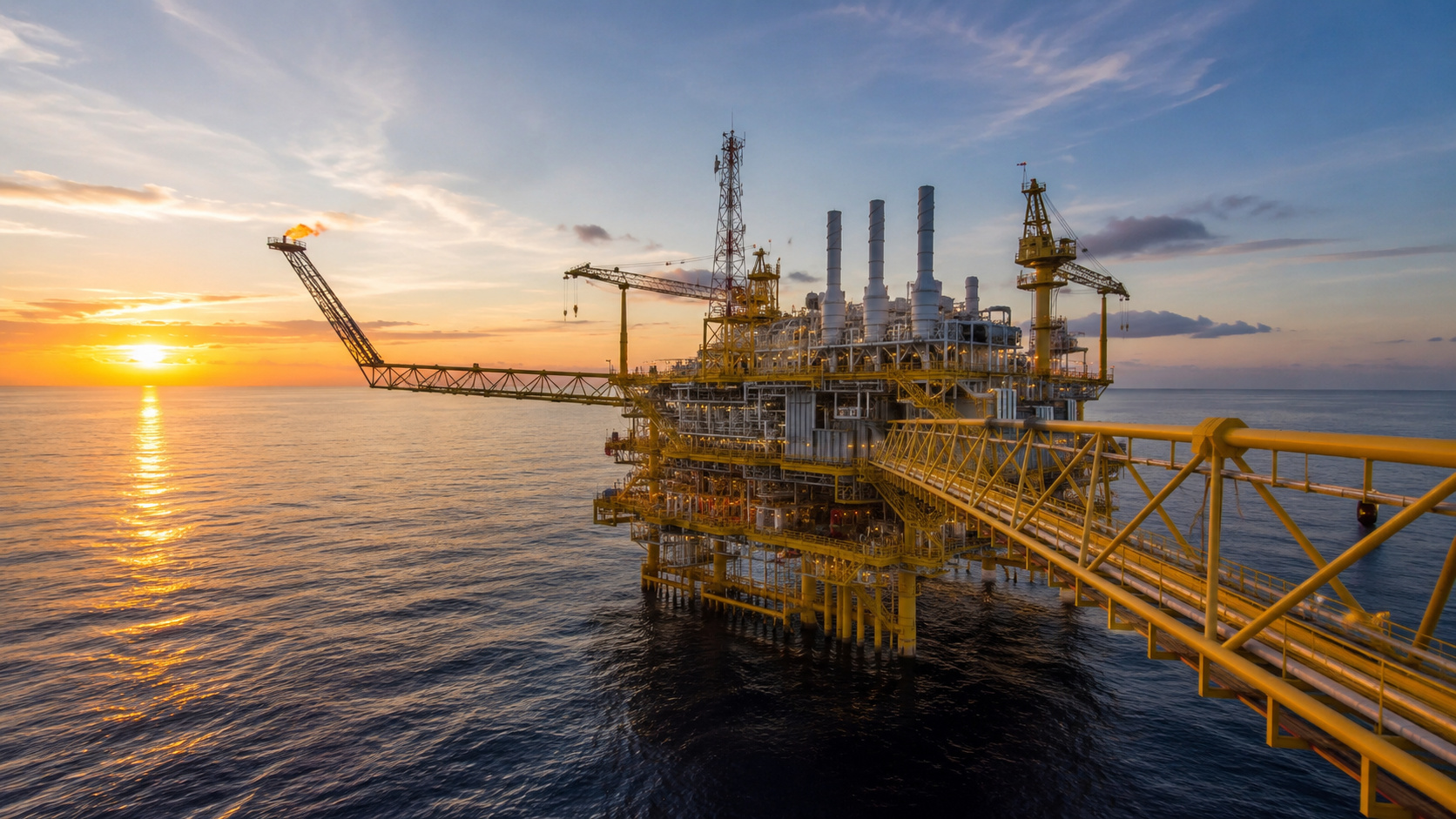
However, a persistent challenge has been obtaining the necessary environmental licensing to conduct research effectively and sustainably.
Poder360 reported that Suriname entered the oil race in 2020, and in just three years managed to establish a extraction potential of 4 billion barrels, representing about 27% of Brazil’s reserves.
Meanwhile, both countries have faced similar challenges regarding regulatory approval, platform construction, environmental licensing, and resource hiring.
Suriname is scheduled to begin operations on its first platform only in 2025, while Guyana, which started extraction in 2019, currently produces 375,000 barrels per day through two platforms.
The country plans to add two more units by 2025, with the ambitious goal of raising production to 1.2 million barrels daily by 2027, compared to Brazil’s production in June 2023, which reached 3.2 million barrels per day.
Within the Brazilian landscape, the Equatorial Margin is an area of great potential.
Comprising five sedimentary basins — Foz do Amazonas, Pará-Maranhão, Barreirinhas, Ceará, and Potiguar — this region has already granted 42 blocks for exploration, attracting investments of up to R$ 11 billion for the next five years.
The process, however, is subject to the approval of environmental licenses, a crucial factor for balancing economic development and environmental preservation.
Potential Of The Brazilian Equatorial Margin Attracts Investments, But Environmental Challenges And Ibama Approval Hinder
Recently, Brazil’s Institute of Environment and Renewable Natural Resources (Ibama) denied Petrobras the environmental license to drill wells in block FZA-M-59, located in the Foz do Amazonas Basin, questioning the company’s ability to handle leaks.
Petrobras, which plans to invest US$ 6 billion in oil exploration in Brazil by 2026, with nearly half of that amount allocated to the Equatorial Margin, is awaiting the analysis of new documents submitted to the regulatory agency.
In addition to Petrobras, 13 other companies are also playing a role in the Brazilian Equatorial Margin, some as operators and others with minority stakes in the concessions.
Among them, Shell stands out, operating ten blocks, and Brazilian companies Enauta and Prio (PetroRio), which contribute to the dynamics of this important emerging region in the oil sector.
The scenario of the Equatorial Margin reflects the economically sensitive potential that oil discoveries represent.
While Guyana and Suriname seek to unveil their reserves, Brazil faces regulatory and environmental challenges, balancing the pursuit of wealth and growth with the necessity of preserving the unique marine ecosystem.
The future of oil exploration in the Equatorial Margin promises to shape the energy industry in the region and possibly impact global economies.


