






 Portuguese
  Spanish


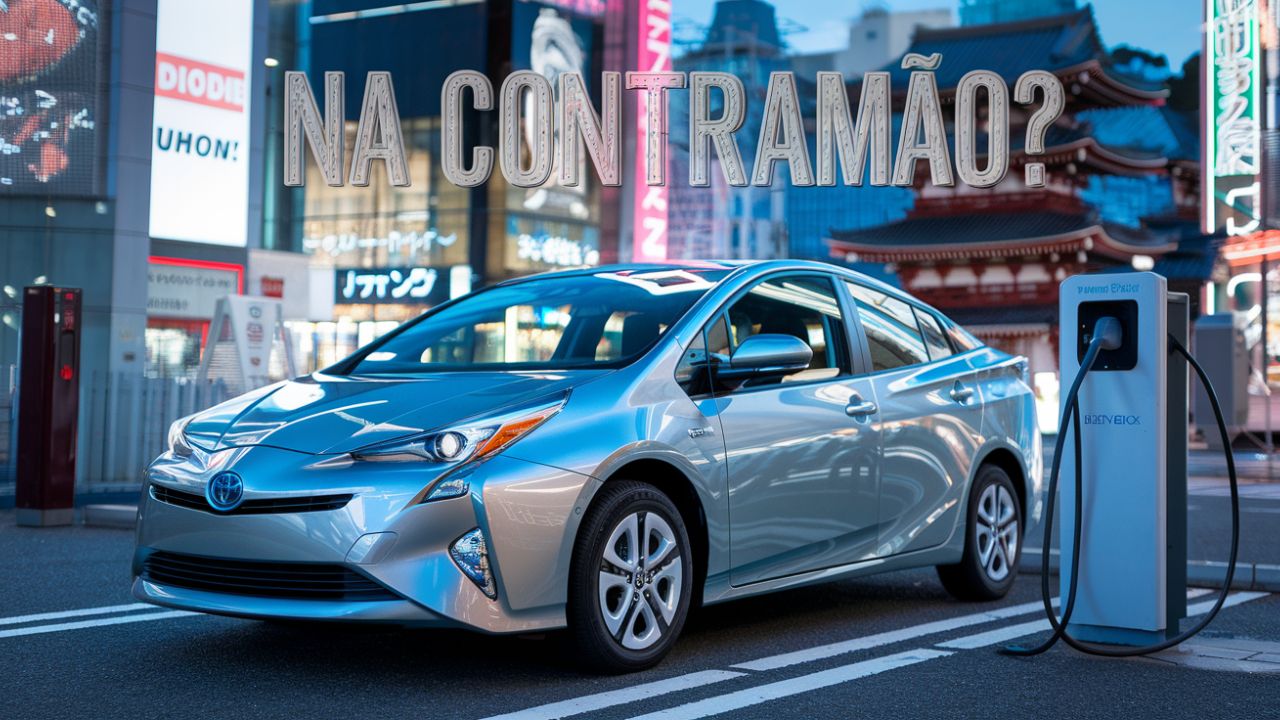


With 55% of Sales in 2023, The Hybrid Car Dominates The Japanese Market, Leaving Electric Vehicles With Less Than 10%. Understand Why Japan Bets on This Technology While The Rest of The World Goes Another Way.
While much of the world discusses the advancement of electric cars, Japan follows a different but equally intriguing path. The country maintains its focus on hybrid cars, betting on a solution that balances energy efficiency and practicality. But what makes Japan believe so much in hybrids while other countries are migrating to electric vehicles?
Why Does Japan Bet on The Hybrid Car?
Almost three decades after the launch of the first Toyota Prius, Japan has established itself as the birthplace of the hybrid car. This technology gained momentum as a natural transition between combustion engines and electric ones, offering lower fuel consumption and reducing emissions.
Hybrids have proven to be ideal for the Japanese market, where the infrastructure for charging electric cars is still limited. This balance between innovation and accessibility has earned hybrids the trust of Japanese consumers.
-
Caoa Changan CS75: New Model with 1.5 Turbo Flex Engine and 8-Speed Automatic Priced $4,000 Less in Brazil

-
Cost Analysis: Maintaining a Fiat Cronos 1.3 Drive 2026 – Parts, Taxes, Insurance, Fuel, and Maintenance

-
New Spanish Engine with Just 500cc Promises Power of 2,000cc, Is 70% Lighter, Crankshaft-Free, Seeks $14 Million to Exit Testing by 2026

-
Nissan Versa Offers Surprising Space and Comfort for Under $10,000, Impressing with Japanese Engineering


Numbers That Prove The Trend

The numbers leave no doubt about Japan’s preference for hybrid cars. In 2023, over 55% of cars sold in the country were hybrids, surpassing gasoline vehicles for the first time. In comparison, less than 10% of sales corresponded to electric cars.
While countries like Europe and the United States anticipate a rapid adoption of electric vehicles by 2030, Japan follows a different pace. Estimates indicate that nearly 70% of cars sold in the country by the end of the decade will be hybrids, highlighting the strength of this technology.
Particularities Of The Japanese Market
Japan has unique characteristics that influence its automotive choices. Compact cars dominate sales, meeting the needs of limited space in cities. The country solved the problem of diesel pollution back in the 90s, drastically reducing emissions and eliminating the urgency for a complete transition to electric vehicles.
This context makes the hybrid car a natural choice, uniting energy efficiency with the practicality of compact models, which have not yet been fully addressed by electric vehicles.
Electric Cars: Why Haven’t They Conquered Japan?
The low adoption of electric cars in Japan is directly linked to two main factors: infrastructure and patriotism. The charging network is still limited, discouraging consumers from choosing this technology.
Japanese people have a strong sense of nationalism when choosing vehicles. The supply of electric cars made in Japan is still limited and less competitive compared to hybrid options, reinforcing the preference for local models.
The Future Of The Hybrid Car In Japan And The World
Japanese automakers, such as Toyota and Honda, continue to invest in hybrids as a strategic solution. This decision may prove to be correct, especially with global environmental demands that make hybrids a viable alternative for reducing emissions without compromising performance.
As the market matures and battery technology evolves, it is likely that hybrids will remain relevant both in Japan and in other regions seeking a balance between sustainability and practicality.
Japan’s bet on the hybrid car shows how well-founded strategies can challenge global trends. Despite the worldwide focus on electric vehicles, hybrids have shown strength as a practical and efficient solution.
And what do you think of this Japanese choice? Can hybrids continue to reign while the rest of the world turns to electric vehicles? This dispute promises to shape the industry’s future in the coming years.





Eu não quero nem de de presente nenhum carro elétrico. A maioria dos países não possui matriz energética para milhões de carros elétricos. Muitas cidades estão com apagões motivados pelas cargas em carros elétricos. Fala-se muito em emissões de Carbono. Qual Carbono? Gás Carbônico ou Dióxido de Carbono, o CO2, é o Gás da Vida. As plantas absorvem o CO2 e liberam Oxigênio. Veneno é o CO, Monóxido de Carbono. Crédito de Carbono é mais uma invenção dos Globalistas para tirar mais dinheiro dos países. A China é o maior poluidor e ninguém fala duro com seu governo. Usinas de carvão a China usa a vontade. Os Globalistas listam vários absurdos a serem cumpridos e a maioria dos governos caem em falácias sem fim.
Os carros japoneses são uns melhores do mundo! Nosso problema e a **** política administrativa que nos roubou e nos impede de ter carros de qualidade,a clace média tá saturando nossas ruas de consumismo de combustível e de oficinas meia boca!!
Dados de 2023, desatualizado.