Portuguese
  Spanish


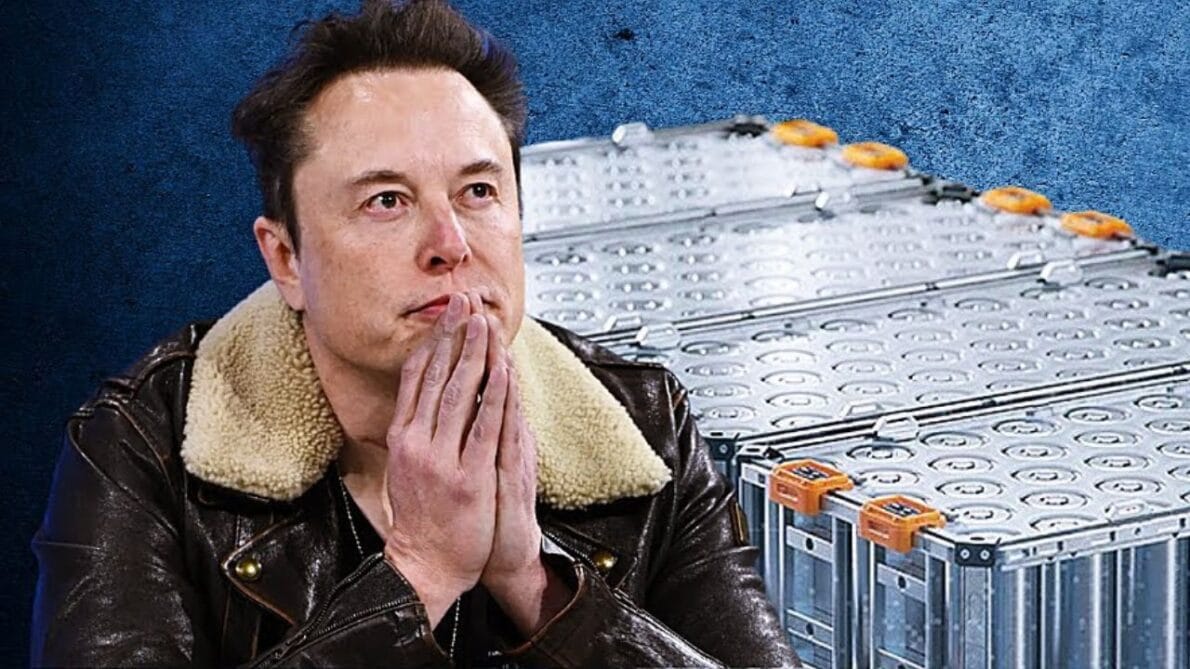

Sodium Battery Innovation Promises to Transform the Automotive Industry, Offering an Economical and Efficient Alternative to Current Lithium Iron Phosphate (LFP) Batteries for Electric Vehicles.
A former Tesla engineer announced a significant innovation in the field of batteries for electric vehicles. The sodium battery developed by his startup, Bedrock Materials, promises a range of 483 km, competing directly with popular lithium iron phosphate (LFP) batteries. This technological advance could drastically reduce the costs of electric cars, making them accessible to a broader audience.
The new sodium battery not only matches the efficiency of LFP batteries, but also stands out for its use of cheaper and more abundant materials, such as sodium, iron, aluminum, and manganese. This combination not only lowers production costs but also improves sustainability. The startup believes that this innovation could lead to the production of electric cars priced under $25,000, broadening access to economical and eco-friendly electric vehicles.
Spencer Gore, the Former Tesla Engineer, Believes Bedrock Materials’ Technology Could Surpass Current Market Leader, CATL

Last year, there was a significant increase in the energy density of sodium batteries, surpassing many other battery technologies. This advancement was driven by the need to find alternatives to lithium, the price of which has fallen dramatically in recent years, but whose demand is expected to increase by more than 500% by 2030 in the United States.
-
Brazil’s Cheapest Car Outperforms Onix, HB20, Polo, and More: Priced Under $15,000 with 1.0 Engine, 681 km Range, 75 HP, and Air Conditioning.

-
Brazil’s Most Powerful Truck, Priced at $320,000, Delivers 770 HP and 3,700 Nm Torque, Surpassing Volvo’s Previous Record and Serving as a Base for a $600,000+ Motorhome
-
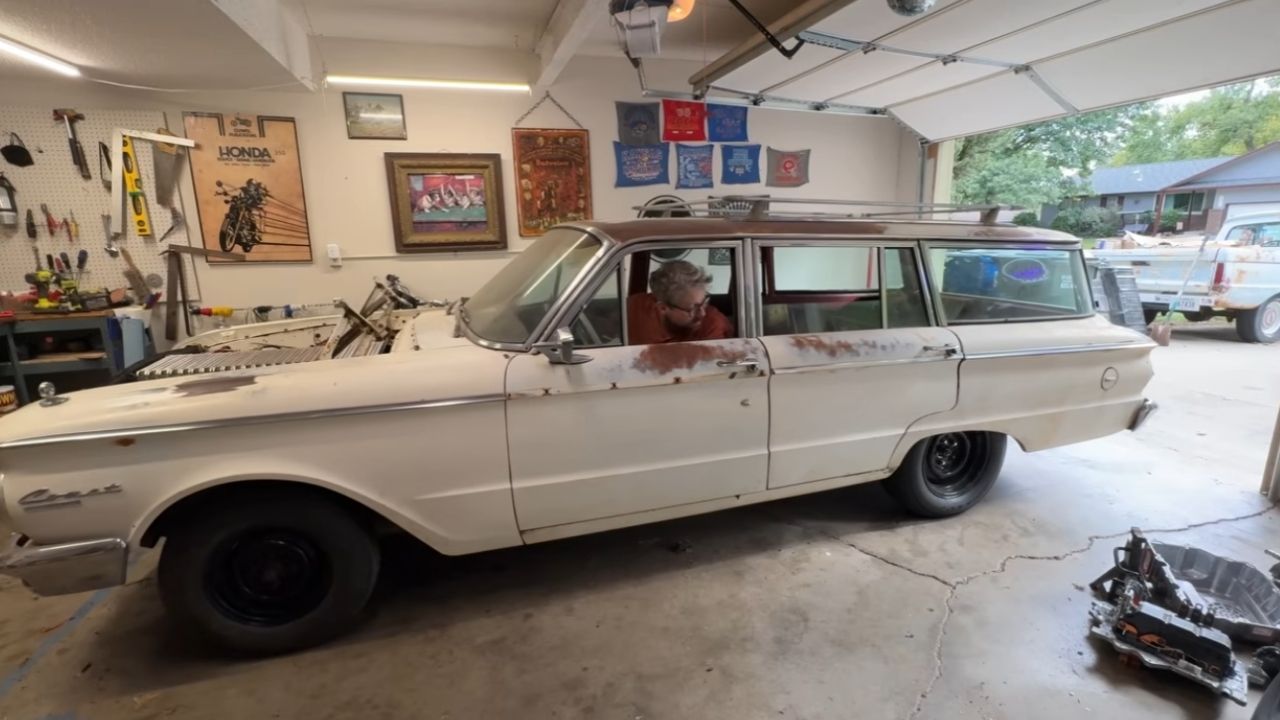
Man Revives 1962 Mercury Comet with Parts from a Damaged Nissan Leaf, Achieving Electric Conversion for Under $6,000

-
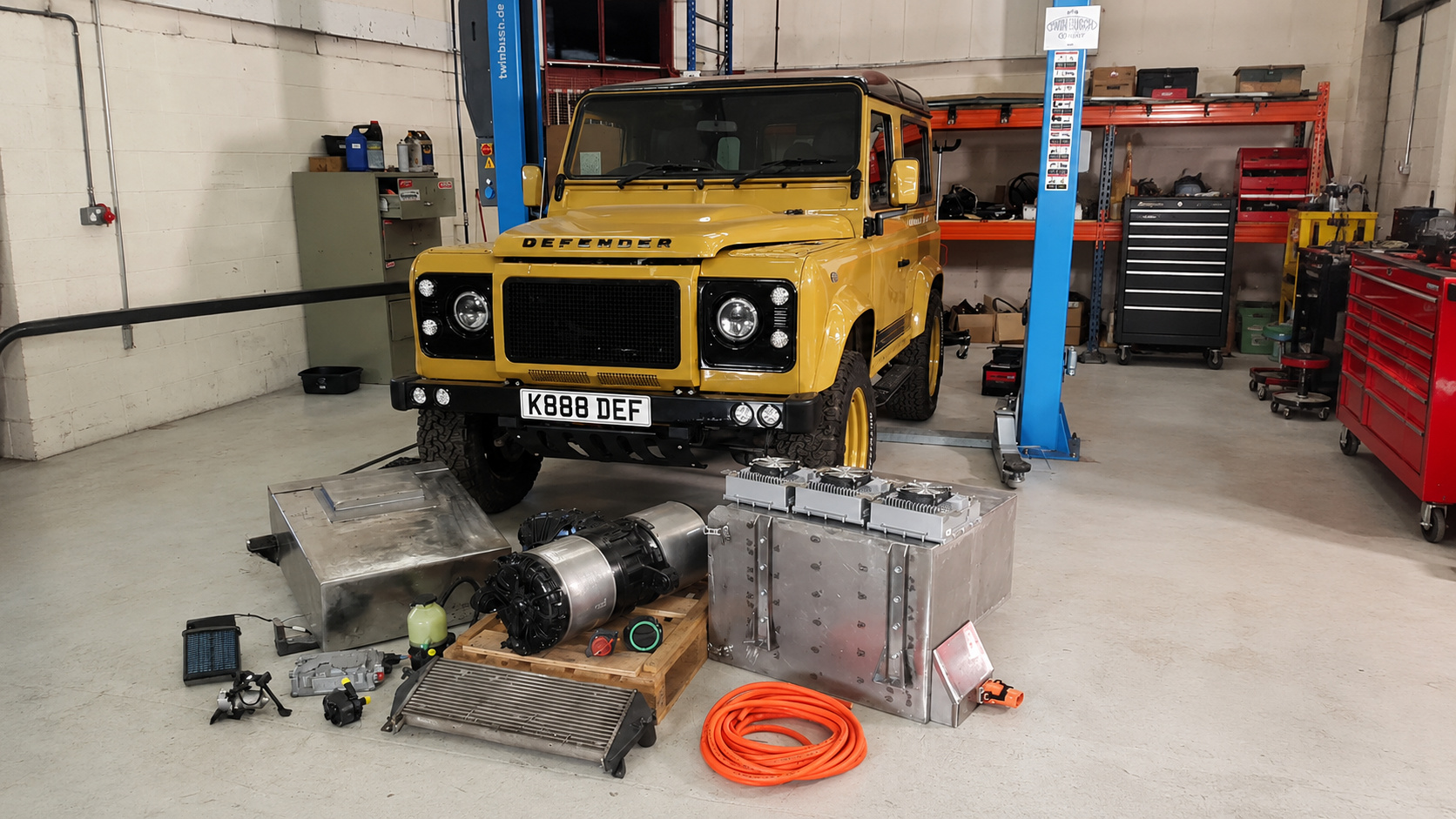
British Mechanics Convert Classic Land Rover Defender to Electric, Maintaining Original Look with 483 Horsepower and 75 kWh Battery


Spencer Gore, the former Tesla engineer, believes that Bedrock Materials’ technology could surpass the current market leader, CATL, by offering a sodium battery that is 30% cheaper than LFP batteries. This technology could enable electric vehicles to recharge in just 11 minutes, a significant advancement in terms of convenience and efficiency.
Tesla Model 2, Which Never Materialized, Could Finally Become Reality with These Sodium Batteries
If the Bedrock Materials technology proves viable, it could revolutionize the electric vehicle market, especially in the United States. Cars like the Tesla Model 2, which never materialized, could finally become reality with these sodium batteries, offering a viable and economical alternative for consumers.
Bedrock Materials recently received $8 million in seed funding to boost domestic production of sodium batteries in the United States. This will not only help reduce the costs of electric vehicles but also make them eligible for federal tax credit subsidies, making them even more affordable for consumers.
Continuous Advances in This Technology Promise to Make Electric Vehicles More Accessible
Sodium batteries offer several important advantages over lithium batteries, including greater sustainability and lower cost. Although there are still challenges to overcome, such as energy density and weight, continuous advances in this technology promise to make electric vehicles more accessible and efficient in the near future.
With the electric vehicle market in constant evolution, the sodium battery innovation developed by the former Tesla engineer represents an important step toward a more sustainable and accessible future for electric mobility.