






 Portuguese
  Spanish




Have you ever been unsure when choosing a car because of the transmission? This is a more common decision than it seems. After all, the transmission system defines how the car will respond to your command, influences driving comfort, fuel consumption, and even maintenance costs. The problem is that many people still confuse the most popular types — automatic transmission, CVT, and automated transmission. Each has advantages, limitations, and a driver profile that suits it best.
Automatic Transmission: Tradition with Comfort
The conventional automatic transmission is the most well-known and traditional. It works with a set of planetary gears and a torque converter, which replaces the clutch. This means that the driver does not need to worry about changing gears: just accelerate and brake.
Among the positive points is comfort. The car starts smoothly, shifts almost without you noticing, and is ideal for handling urban traffic. Models equipped with automatic transmission tend to have consistent performance, especially with larger engines, such as 2.0 or 1.6 turbo.
-
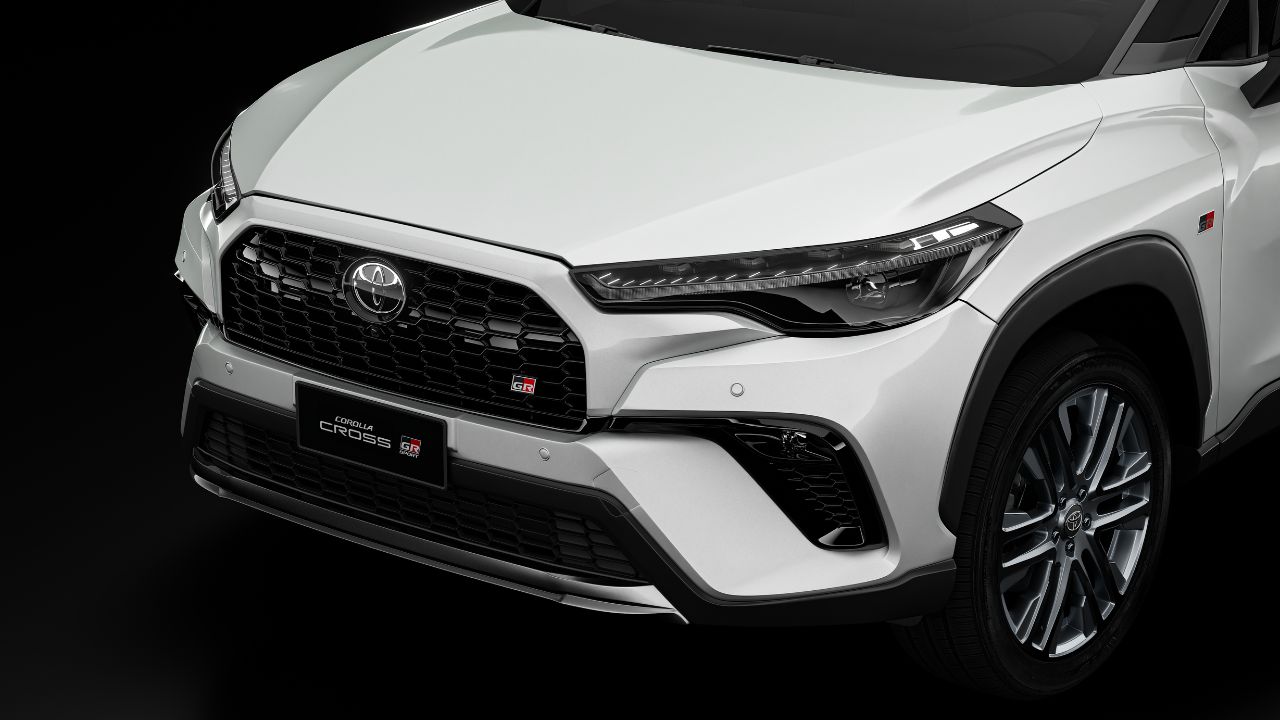
2027 Toyota Corolla Cross Unveiled: New Design, Enhanced Fuel Efficiency, Reduced Maintenance Costs, Advanced Technology, Connected Services, and Up to 10-Year Warranty

-
Fiat Cronos Precision 2018: Affordable Sedan with Spacious Trunk and Reliable Maintenance
-
Volkswagen to Cut Production by 1 Million Cars by 2030, Reducing Jobs and Platforms, Focusing on More Profitable Models

-
Toyota Launches First 100% Electric Car in Brazil: bZ4X with 343 HP, All-Wheel Drive, 361 km Range, Priced at $419,990 BRL, Limited to 99 Units



On the other hand, this type of transmission tends to have more expensive maintenance. The automatic transmission fluid, for example, must be changed periodically and can cost much more than in manual systems. Another detail is consumption: despite technological evolution, some models still consume more fuel than their manual versions.
CVT: Smoothness and Economy
The CVT (Continuously Variable Transmission) has gained popularity in recent years, especially in compact cars and medium SUVs. Its operation is different: instead of fixed gears, it uses pulleys and a metal belt, allowing continuous variation of ratios.
In practice, the driver feels a more linear drive, without the “jerks” of gear shifts. This ensures comfort and a sense of constant acceleration. Furthermore, the CVT tends to be more economical, as it can keep the engine in the ideal RPM range.
But not everything is perfect. In some models, the CVT gives the impression that the car “slips” when you floor the accelerator, especially during overtaking. This effect, called “elastic effect,” bothers some drivers. Still, for those seeking smoothness and economy in their daily commuting, it is a great choice.
Automated Transmission: The Controversial Middle Ground
The automated transmission emerged as a more accessible alternative for those who wanted the convenience of not changing gears, but without paying the price of a traditional automatic. It functions like a manual transmission, but with automated clutch engagement and gear shifts, usually controlled by electronic actuators.
Theoretically, it seems ideal: lower cost, consumption similar to the manual, and practicality for the driver. In practice, however, many consumers have complained about performance. The jerks during shifts, especially in the first generations of these transmissions, left a bad reputation.
Despite this, some brands have evolved, and today there are smoother automated versions, such as dual-clutch transmissions (known as DSG or Powershift, depending on the manufacturer). These systems deliver quick and sporty shifts, pleasing drivers who enjoy more performance. The point of attention remains maintenance, which can be expensive and delicate if the transmission does not receive proper care.
Which to Choose: Automatic, CVT, or Automated?
The answer depends on your usage profile. Those who drive a lot in heavy traffic and prioritize comfort generally adapt better to automatic or CVT transmissions. The CVT has an advantage in efficiency, but the automatic may be more appealing in terms of performance.
The automated transmission can be interesting in entry-level cars or for those seeking a lower initial cost. However, it’s essential to test it first and check if the driving style will not be compromised by the characteristic jerks.
Another deciding factor is maintenance. The automatic transmission requires more expensive check-ups but usually has a long lifespan if well cared for. The CVT demands attention to specific fluids and may incur high costs in the event of a failure. The automated varies widely: it can be inexpensive if it has a single clutch, but if it has a dual clutch, it can become costly in case of repairs.
The Evolution of Transmissions in Brazil
It is worth noting that the Brazilian market has undergone a revolution in the last 20 years. Until the early 2000s, automatic transmissions were a privilege of mid-size sedans and luxury SUVs. Today, they are already present in popular hatchbacks and even in compact pickups. The CVT, which was once restricted to a few Japanese brands, has spread and won over even national manufacturers. Automated transmissions initially had a boom but ended up losing ground due to consumer complaints.
This movement shows that Brazilian drivers are becoming increasingly demanding. It is no longer enough to offer convenience: it is necessary to combine comfort, economy, and durability.
The Impact on the Driver’s Daily Life
Imagine an urban route with heavy traffic. With a manual transmission, you would expend energy constantly pressing the clutch. With automatic and CVT, you only need to control the brake and accelerator. The difference is that in the automatic, you feel more robustness during starts, while in the CVT, smoothness is the highlight.
Now think about a trip on the highway. If you enjoy quick accelerations, the automatic may be more satisfying. If you value economy, the CVT has an advantage. As for the automated transmission in this scenario, it can be efficient in dual-clutch models, but in single-clutch models, it may disappoint with slow shifts.
Understanding the differences between automatic, CVT, and automated transmissions helps make a more conscious decision when choosing your next car. More than just acronyms and technical terms, each system delivers a different driving experience. It is up to the driver to evaluate what makes the most sense for their routine and budget. After all, the ideal transmission is the one that combines practicality, driving pleasure, and cost within each person’s reality.








