






 Portuguese
  Spanish


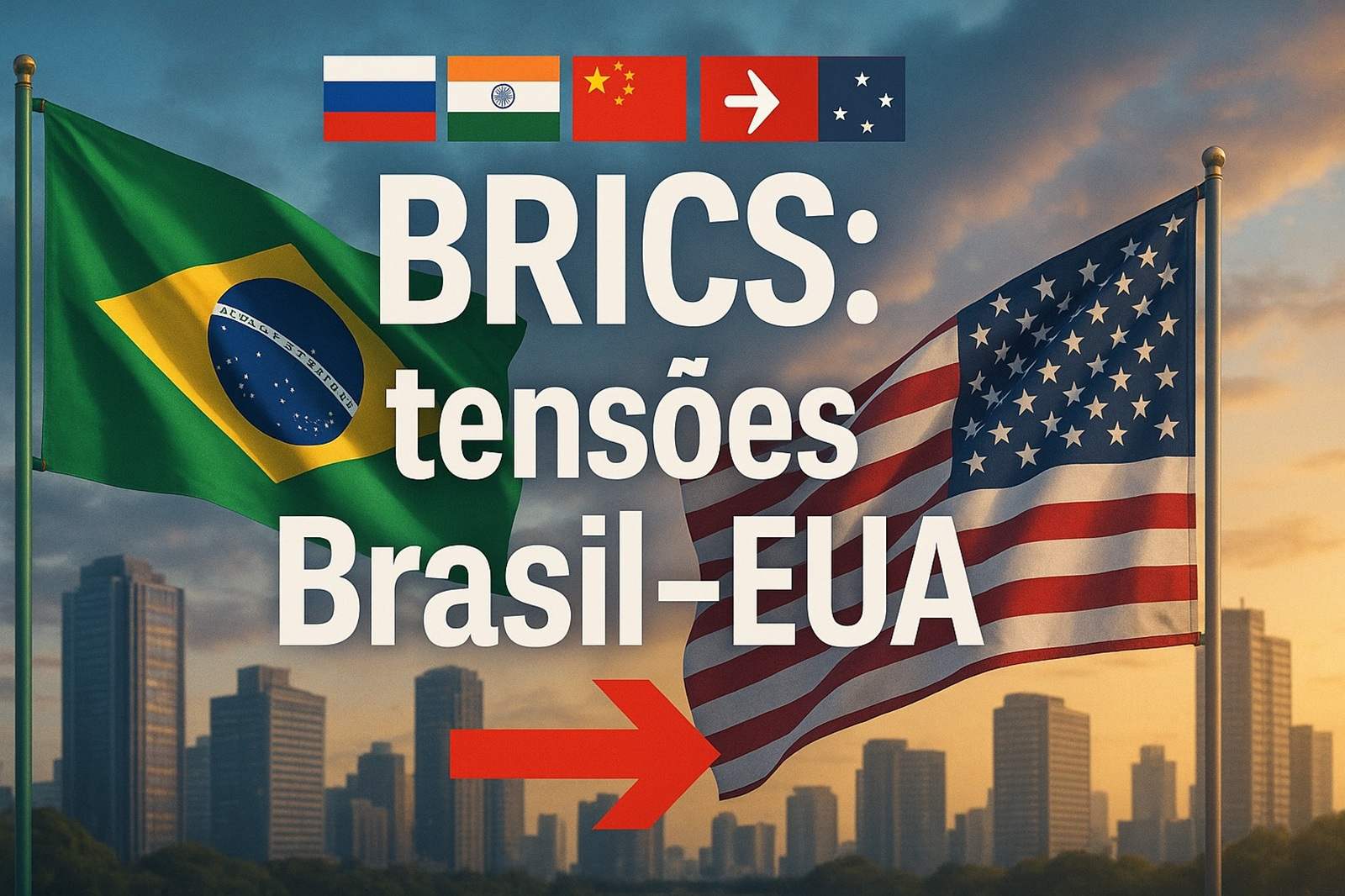

Amid U.S. Trade Tensions, The Debate On Possible Strategic Alliances For Brazil Grows. However, Experts Point To Important Limitations In Blocs Like Brics And Mercosur, Indicating That The Way Forward May Be In A Different Direction.
Would the idea of turning to Brics as support during trade tensions with the United States be viable for Brazil? This is the intention of the federal government.
However, according to Vitelio Brustolin, a Harvard researcher and professor at the Federal Fluminense University (UFF), during his participation in WW, from CNN Brasil, this idea is not viable.
According to him, the main members of the group are already negotiating tariff issues individually with Washington.
-
Brazilian Workers and Instructors to Train in China on Electric Car Technology Ahead of New Factory Opening in Brazil

-
Viral Message Claiming Government Will Deposit Money for Registering CPF as Pix Key Debunked

-
Embraer Acquires Full Control of Mexican Aircraft Interiors Manufacturer EAI to Reduce Supplier Dependence and Protect Margins Amid Global Aviation Competition

-
Controversial Amazon Highway BR-319 to Receive $1.3 Billion for Road Upgrades and $570 Million for Territorial Governance in Brazil


China, for example, received a proposal to quadruple its imports of U.S. soybeans.
This scenario worries Brazil, which is responsible for 70% of the soy consumed by the Chinese market. An increase in purchases of the product from the U.S. could reduce the space for Brazilian production.
Additionally, India is also negotiating to review imposed tariffs. The Asian country faces secondary measures for importing Russian oil, derivatives, and armaments.
Brazil is on the same list, which reinforces the complexity of the negotiations. South Africa, another member of the bloc, is also discussing trade conditions with the Americans.
Internal Conflicts And Lack Of Cohesion
The most important point, in Brustolin’s assessment, is that Brics faces unity issues. There are internal conflicts that hinder any joint action.
India has territorial and political disputes with China. Egypt has disagreements with Ethiopia related to Somalia.
Iran and Saudi Arabia only restored diplomatic relations in 2023, which still does not guarantee total alignment.
These tensions weaken the bloc’s capacity to act in a coordinated manner.
Without internal consensus, the political and commercial strength of the group loses relevance in large-scale international disputes.
Limited Structure Of Brics
Another factor highlighted by the expert is the very nature of Brics. The organization is informal: it has no headquarters, statute, bylaws, or clear criteria for admitting new members.
This lack of formal structure prevents the bloc from effectively addressing complex commercial issues that require clear rules and well-defined decision-making processes.
Therefore, even if there were political will, Brics would face difficulties functioning as a united front against U.S. tariff measures.
Mercosur Also Not An Alternative
Brustolin recalls that although Mercosur is a formal organization, it also does not present itself as a viable alternative to the issue.
An example is Argentina, which has already gained significant advantages by negotiating directly with the United States.
The country secured an 80% exemption on tariffs through bilateral agreements, showing that the individual approach can be more effective than seeking collective solutions.
In this context, relying exclusively on regional or multilateral alliances may not bring the desired results. The Argentine experience reinforces that direct negotiations tend to be faster and more effective.
Need For Direct Dialogue
In addition to analyses of economic blocs, Brustolin emphasized the importance of direct contact between the presidents of Brazil and the United States.
He recalled that President Lula stated he would call Donald Trump, inviting him to participate in COP 30. He also sent a formal letter.
However, it is still not confirmed whether there will be a meeting between the two during the United Nations General Assembly, scheduled for September 23.
For the researcher, the direct relationship between the leaders could open doors for quicker and more specific agreements.
This is because, in the current scenario, waiting for multilateral solutions within BRICS, a bloc with internal divergences and structural limitations, may mean missing negotiation opportunities.
In summary, the bet on Brics as a strategic alternative to face trade tensions with the United States finds no support, both due to the lack of internal cohesion and the ongoing bilateral negotiations.
The way forward, according to Brustolin, lies in direct diplomacy and specific agreements that meet Brazil’s immediate interests.


