Portuguese
  Spanish


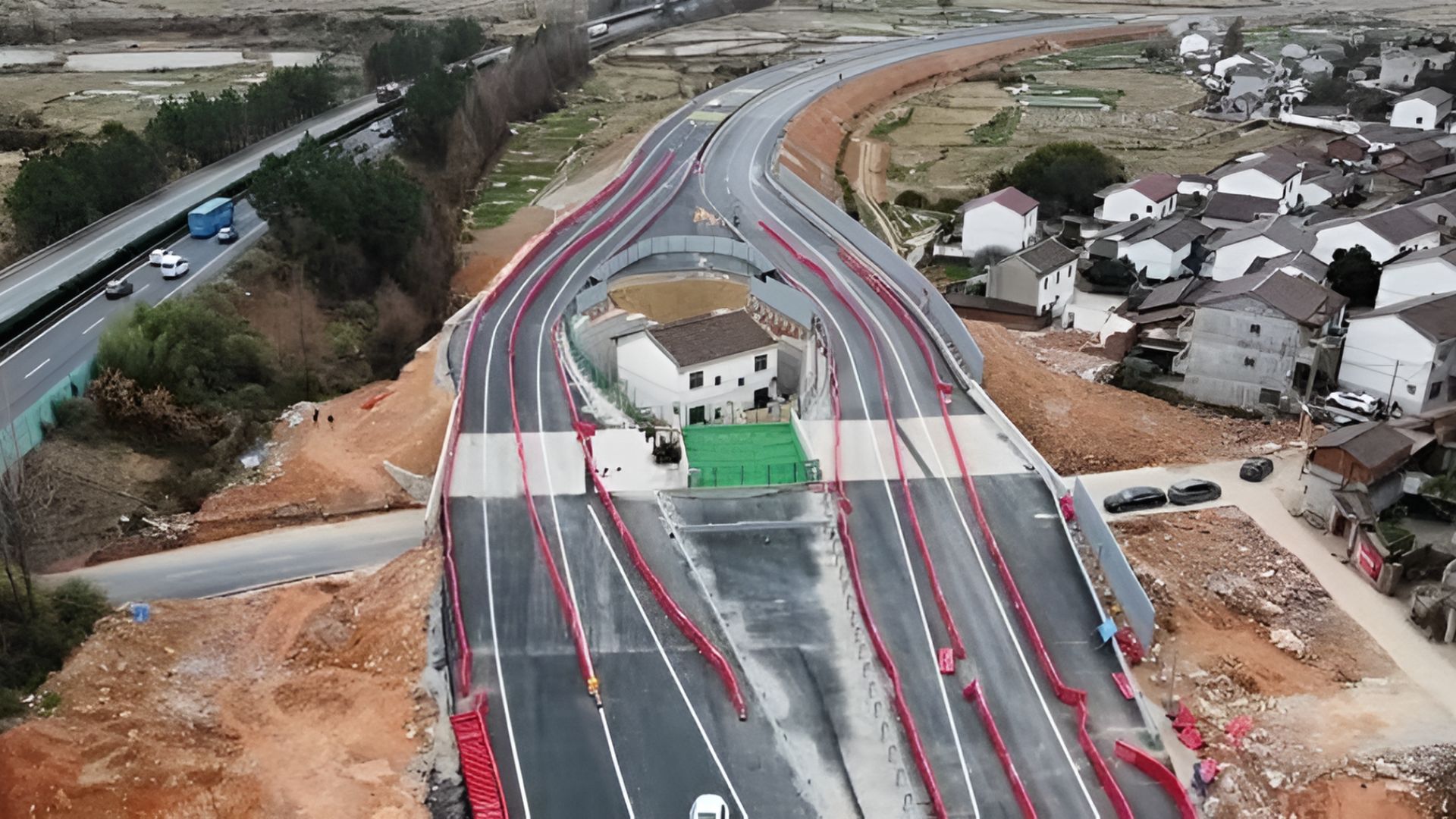

Chinese Family Refused Million-Dollar Compensation, Saw Their House Become a Symbol of Resistance in the Middle of a Highway, and Ended Up Abandoning the Property Nicknamed “Eye of Jinxi,” Surrounded by Constant Noise and Traffic Insecurity.
In the Jinxi district of China, a family that resisted expropriation ultimately accepted to leave the house that sat in the middle of a newly inaugurated highway.
The owner, identified as Huang Ping, had refused a compensation offer from the regional government of approximately 1.6 million yuan (US$ 234,000) and remained in the property even after all the neighbors left.
Without sound insulation and surrounded by heavy traffic, the residence became uninhabitable and was abandoned when vehicles began to circulate on that stretch.
-
Nepalese Youth Use Minecraft to Redesign a Deteriorated Public Square and Present Their Vision to Local Authorities

-
Artist Converts Truck into Mobile Home to Embrace Diving Lifestyle, Complete with Bed, Kitchen, and Storage
-
Over 300 People in Barcelona Demonstrate Temperature Differences Between Shaded and Sun-Exposed Sidewalks
-
Tired of High Rent, Woman Converts Truck into Mobile Home for Travel Lifestyle




The House That Became a Symbol and Gained a Nickname
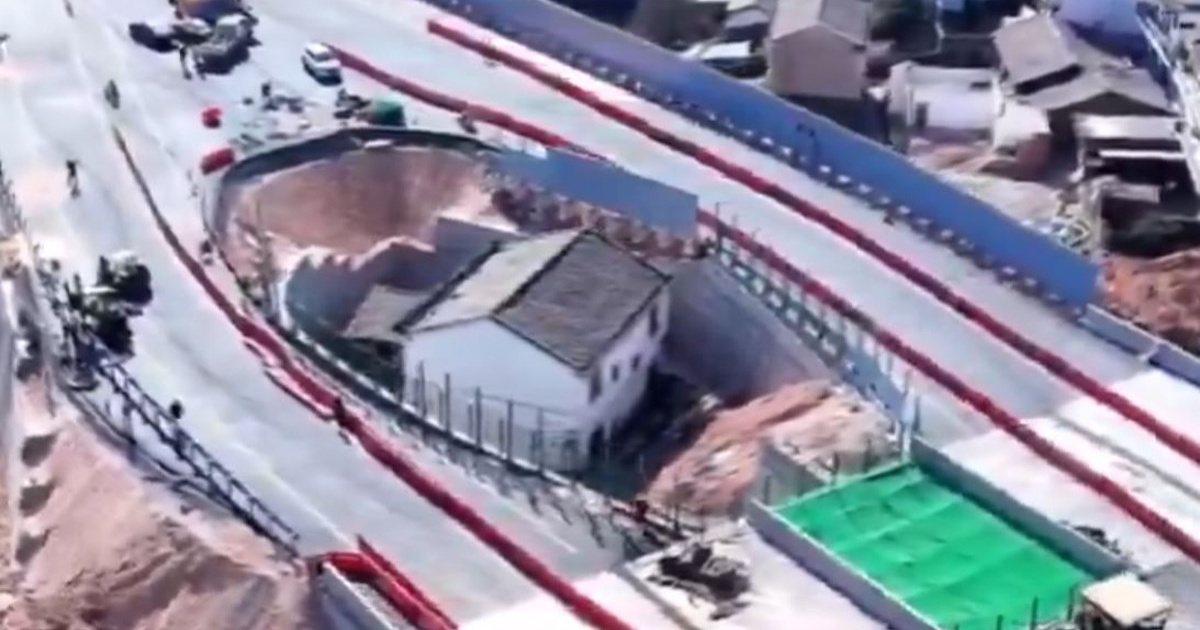
The building was nicknamed Eye of Jinxi because, viewed from above, it resembles an eye on the asphalt.
The case circulated in international media in April when the image of the isolated house on the median began to represent the persistence of residents who refuse to leave their properties.
In China, properties that resist infrastructure projects are popularly referred to as “nail houses,” a term that refers to a “nail” that is hard to remove.
Rejected Offer and Later Regret
Huang Ping decided to reject the government’s offer because he evaluated that the payment conditions — in two installments — did not meet what he considered fair.
The resident maintained his position even after the area around was demolished and the highway progressed.
Later, he acknowledged that he regretted not accepting the initial agreement.
The local administration, however, informed that the deadline for the offer had expired and would not be renewed under the same terms.
When Traffic Started, the Noise Won
With the opening of the new road segment, reality changed quickly. Without noise barriers and with trucks passing just a few meters away, life in the house became unsustainable.
The constant sound, combined with the vibration from heavy traffic, caused stress for the family, who resisted as long as they could.
At a certain point, signs of abandonment became visible: broken windows and tall weeds around attracted the attention of passersby.
According to the Oddity Central website, local residents noticed these changes in the month prior to the publication of the report that brought attention to the case.
Family Leaves the Property and Moves to Another City
According to Chinese media cited by international outlets, Huang and his family chose to rent a house in a nearby city.
The decision aimed to distance them from the noise and insecurity of remaining isolated in the middle of the road.
There is no confirmed public information about the fate of the now-vacant property, nor about plans for demolition or permanent incorporation into the highway layout.
Compensation Less Than the Initial Offer
By leaving the property without a new agreement, the owner is now entitled to only a fraction of the amount that had been proposed earlier.
The details about the current compensation have not been disclosed by local authorities cited in the coverage of the case.
What is known is that the amount of 1.6 million yuan (US$ 234,000), presented at an earlier moment, did not materialize because the payment conditions were not accepted by Huang, and the offer lapsed.
What Chinese Legislation Says About Relocations
In recent years, China has approved regulations aimed at protecting residents in relocation processes for public works.
The rules prohibit the use of violence in evictions and stipulate that compensation paid to resettled families reflect market value.
In practice, cases of “nail houses” continue to arise when owners contest the calculation of compensation, the timeline, or the method of payment.
The Jinxi story fits into this scenario of disputes over criteria and deadlines.
Why Cases Like Jinxi Repeat
Conflicts in expropriations generally center around three points.
The first is the property valuation: residents claim that official reports underestimate the property, while authorities defend technical parameters.
The second is the method of payment, which may involve installments, deadlines, or alternative housing — precisely the point that led Huang to refuse the offer.
The third is the negotiation time, as public works follow rigid schedules, and the pressure for delivery can shorten windows for dialogue.
Human Impact of Isolation
Although the aerial image of Eye of Jinxi went viral as an urban curiosity, the daily experience of the family was marked by constant noise, fear of accidents, and emotional strain.
Living surrounded by fast lanes, without traditional neighbors and with limited access to services, tends to exacerbate the feeling of insecurity.
The report that the family sought a rental in another city highlights the attempt to reestablish a minimal routine of comfort and predictability.
What Remains Open
There is no public confirmation regarding the exact date when the family left the property, nor about the final amount they will be entitled to after their departure.
It is also unknown when the structure will be removed or adapted to the final layout of the highway.
In similar cases, authorities usually consolidate the layout after the resolution of disputes and the formalization of compensations, stages that are not always transparent to the public.
The Term “Nail House” and the Debate on Progress
The term “nail house” became popular in China to designate homes that remain standing, surrounded by construction sites or already completed structures.
The term encapsulates a recurring debate: how to reconcile public interest projects with guarantees of fair compensation.
In the Jinxi episode, the impasse was not resolved in the timeline of the project, which exposed the family to extreme urban conditions. In the end, the silent exit indicated that the cost of staying outweighed the symbolic value of resisting.
If you were in the family’s position, would you have accepted the initial offer to avoid so many problems, or would you have also resisted until the end?