Portuguese
  Spanish





The Construction of a US$ 300 Million Bridge Marks a Historic Achievement by Connecting Two of the Largest Countries in the World, Promoting Unprecedented Economic and Cultural Integration.
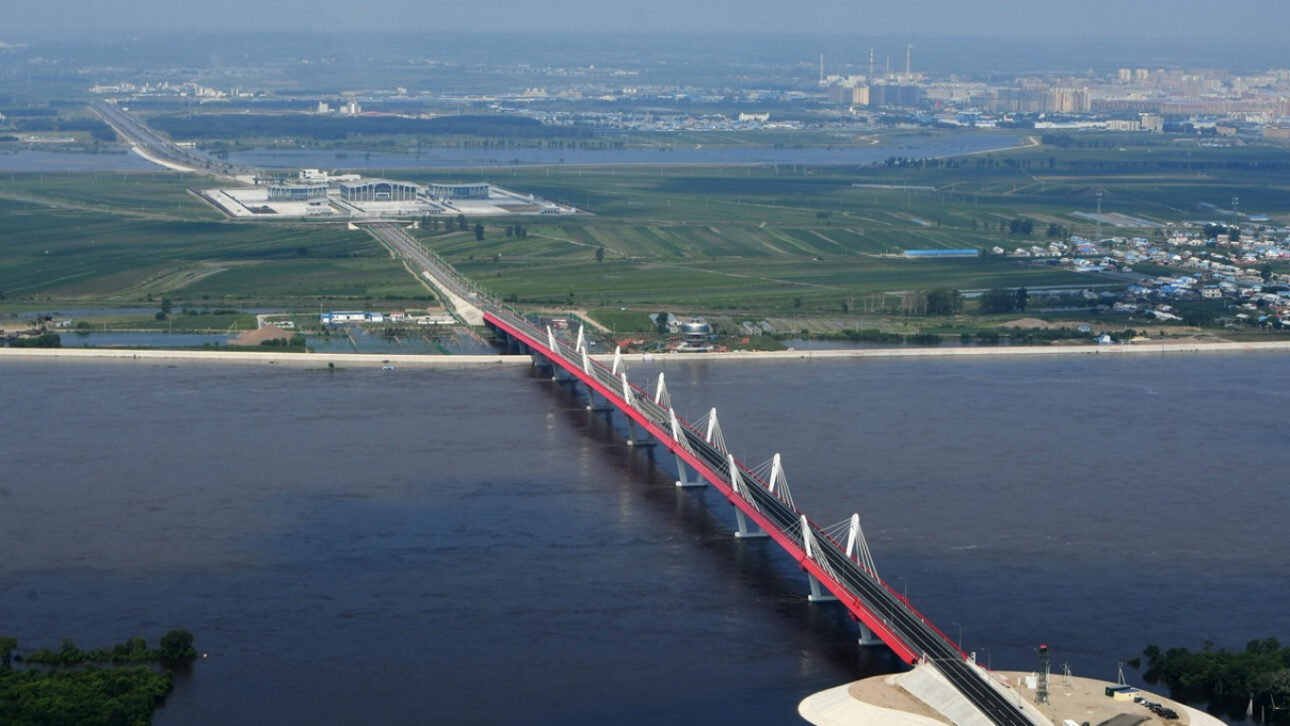
This bridge, a magnificent engineering work that cost approximately US$ 300 million at the time, connects two giant nations, being a great example of modern infrastructure and, of course, geopolitics.
In addition to impressing with its grandeur, the bridge reinforces the economic and cultural ties between the countries, creating a lasting impact on mobility and regional integration.
The Sino-Russian Friendship Bridge is an impressive example of modern engineering and geopolitical symbolism.
-
Prefabricated Home Assembled in Days Offers Cleaner, More Efficient Construction with Factory-Made Panels, Requires Technical Design to Prevent Moisture Issues

-
Single Mother Working Three Jobs Receives 111 m² 3D-Printed Home with Concrete Walls Built in 12 Hours, Featuring 3 Bedrooms, 2 Bathrooms, and a Printer for Replacement Parts

-
Simple Technique to Restore Rusty Metal Window Grilles Gains Attention for Revitalizing Old Structures Without Full Replacement

-
Couple Transforms Suffolk’s Last 1891 Windmill into Luxurious Four-Story Home with Zinc Observation Room in England




This structure connects two major countries, Russia and China, crossing the majestic Amur River (known as Heilong Jiang in China).
More than a physical link, the bridge represents the increasing strategic and economic partnership between these two global powers.
Strategic Location
The bridge directly links the cities of Blagoveshchensk in Russia and Heihe in China, two important economic and cultural hubs in their respective regions. This strategic proximity facilitates the transport of goods and promotes cultural exchange between the two countries.
The Amur River, which marks the natural border between Russia and China, has long been a route of connection, but the construction of a bridge reinforces the partnership by facilitating logistics and boosting trade exchanges.
Technical Features
The bridge is approximately 1,080 meters long and was designed to support both road traffic and heavy cargo transportation.
Moreover, the construction adheres to strict engineering standards to withstand the extreme weather conditions of the region, where temperatures can vary drastically between winter and summer.
Objectives and Benefits
The Sino-Russian Friendship Bridge plays a crucial role in strengthening the trade ties between the two countries.
Before the construction, transportation relied on ferries and less efficient routes, especially during winter when the Amur River froze, making traffic difficult. With the bridge, the transportation of goods has become faster, more reliable, and safer.
Additionally, the bridge is part of a broader effort to integrate Russia and China in regional projects, such as the Belt and Road Initiative, promoted by China.
It also strengthens the diplomatic relationship and paves the way for new investments and bilateral collaborations.
Sino-Russian Railroad Bridge
Complementing the road bridge, the region also features the Sino-Russian Railroad Bridge, built to meet the growing demand for freight transportation.
This railway structure connects the city of Nizhneleninskoye in Russia to Tongjiang in China and is equally important for the commercial flow between the two countries.