Portuguese
  Spanish


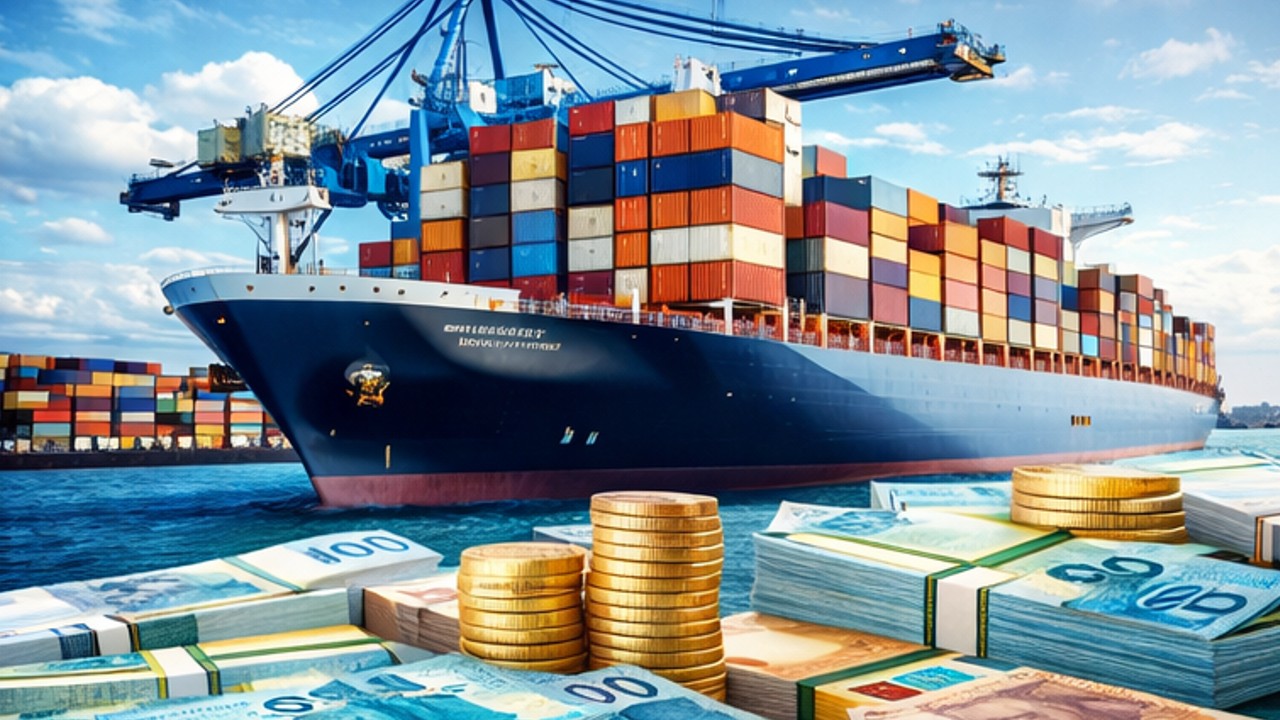

Corn, Soy, Fuels, Fertilizers, and Meats Are Among the Products That Pass Daily Through the Largest Port Complex in the Southern Hemisphere
The Port of Santos, the largest port complex in Latin America and responsible for about 30% of all of Brazil’s foreign trade, handles millions of tons of strategic cargo every month that supply both the domestic market and Brazilian exports. Official data from the Port Authority of Santos reveal which products led the movement in November.
The figures show that the port is not just an agricultural export corridor, but a multifunctional logistics giant, essential for the functioning of the national economy, from industry to the energy sector.
Corn, Soy, and Pulp Lead Among Solid Cargo
Among solid cargoes, the highlights are corn, soybean meal, and pulp, which together totaled millions of tons moved in just one month. These products are fundamental to Brazilian agribusiness and have the Port of Santos as their main route for export to the international market.
-
Half of Brazilians Prefer Lower Taxes with Private Health and Education, While 44% Opt for Higher Taxes for State-Provided Services, Datafolha Survey Reveals

-
Brazil’s Most Expensive Toll Rises to R$ 40.60 on Route from São Paulo to the Coast, Nearly Matching Bus Fare to Santos

-
As Brazil Expands Social Welfare, Survey Reveals 40% Blame Poverty on Laziness, While 58% Cite Lack of Opportunities

-
China Tightens Control on Antimony, Driving Prices from $22,000 to Nearly $40,000 per Ton as U.S. Rushes to Bolster Strategic Reserves




The significant movement reflects both the strength of the agricultural sector and the operational capacity of the port to handle large volumes, even during periods of high logistical demand.

Fuels, Diesel, and Gasoline Are Among the Most Moved Liquids
In the liquid bulk segment, the Port of Santos also shows impressive numbers. Diesel, gasoline, and other fuels rank among the most moved cargoes, highlighting the strategic role of the port in the country’s energy supply.
In addition to fuels, chemical products such as caustic soda, solvents, and industrial derivatives are also part of the monthly flow, reinforcing the importance of the port complex for the national industry.
Fertilizers, Meats, and Vehicles Show Diversity of Port Operation
Another noteworthy statistic is the diversity of cargoes. Fertilizers, essential for agribusiness, rank among the most relevant volumes, alongside beef, pork, and chicken, which head to various international markets.
The port also handles vehicles, auto parts, and motorcycles, as well as products like wheat, vegetable oils, and petroleum gas, demonstrating the breadth of the logistical operation that occurs daily in the Baixada Santista.
Numbers Reinforce Why Santos Is the Main Logistics Hub in the Country
The variety and volume of cargoes handled monthly explain why the Port of Santos is considered Brazil’s main logistics hub. With infrastructure capable of accommodating everything from agricultural commodities to industrial and energy products, the complex serves as a true thermometer of the national economy.
The monthly data released by the Port Authority reinforce the ongoing need for investments in expansion and modernization, ensuring that the port continues to operate at a high level and maintains its strategic position in global trade.