






 Portuguese
  Spanish


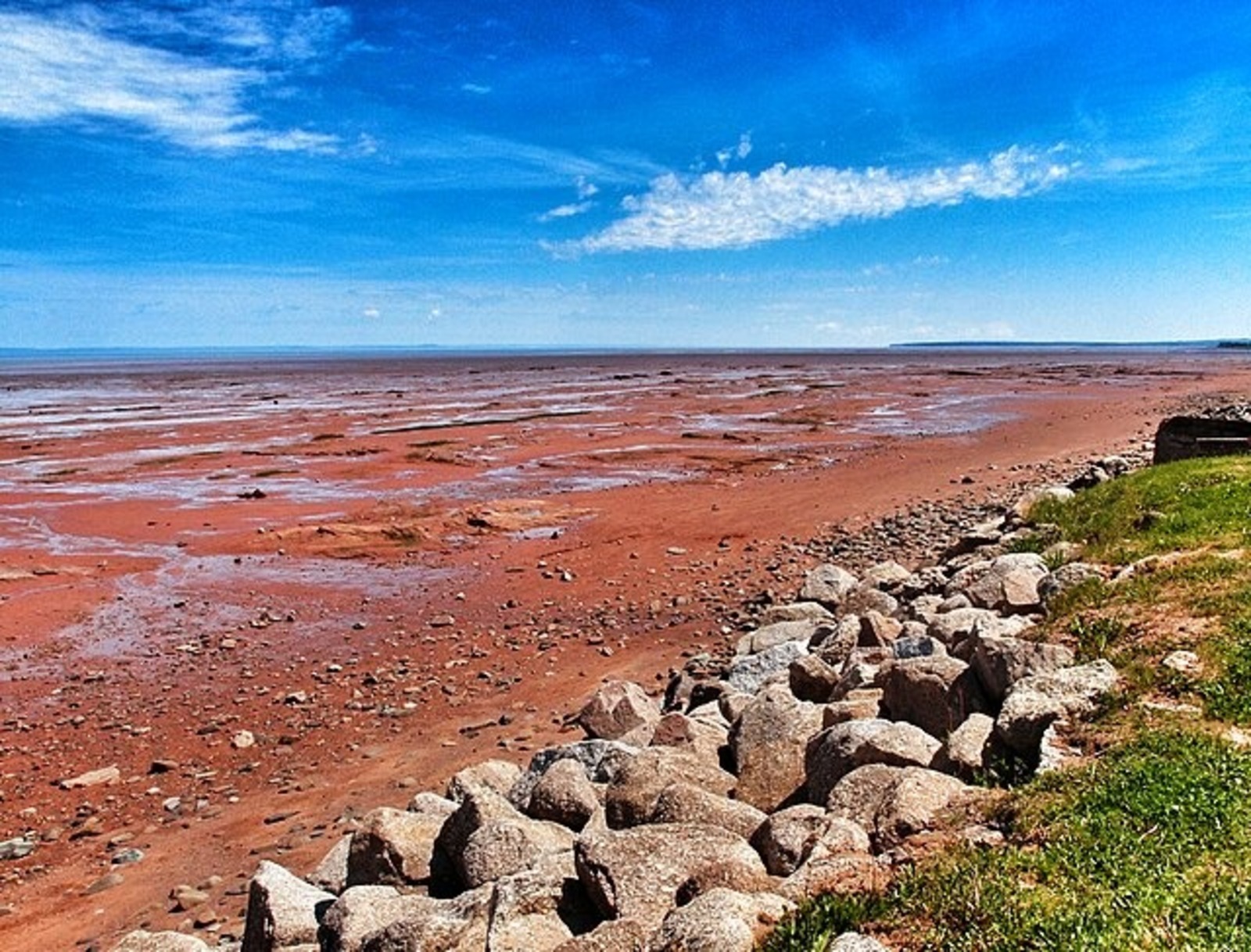

Phenomenon of the World’s Largest Tides in the Bay of Fundy Exposes Sediments, Marine Life, and Rocks, Allowing Walking on the Dry Ocean for Hours Before the Rapid Return of Ocean Waters
Imagine a coastal landscape where, twice a day, the ocean completely recedes, exposing sediments, mud, and marine life, allowing walks on the ocean floor and revealing a natural phenomenon that redefines the relationship between land and sea.


An Island Shaped by the Rhythm of the Tides in the Bay of Fundy
Located between the Canadian provinces of New Brunswick and Nova Scotia, the Bay of Fundy boasts the largest tidal range in the world, a result of combined geographic and oceanographic factors.
The funnel shape of the bay and the resonance phenomenon intensify the movement of the waters, causing the ocean level to rise and fall with unusual force.
-
Man Disguises as His Own Mother to Collect €3,000 Monthly Pension, but Makeup and Beard Stubble Raise Suspicions at Registry Office

-
Brazilian Airport to Receive $2.8 Million Investment, Completion Expected Within a Year

-
UN Warns of AI’s Environmental Impact and Calls for Greater Corporate Transparency

-
Former Atacadão Employee Turns Online Cake-Baking Lessons into a Confectionery Brand with Factory, Store, Delivery, and Nearly $400,000 in Revenue




This variation reaches an average of 16 meters, a monumental difference compared to most beaches in the world, completely altering the landscape throughout the day.
When the Ocean Recedes and Reveals the Ocean Floor
During low tide, vast areas of the ocean floor are exposed, creating a temporary scene of visible sediments, rocks, and marine organisms.
In places like Burntcoat Head Park, visitors descend trails and stairs to the ocean bed to walk for a few hours.
This direct access allows for close observation of normally submerged surfaces before the tide returns and covers the area with brackish water again.
An Experience That Challenges the Perception of Time and Space
The experience of walking on the ocean floor creates a surreal feeling, as the same location may appear to be an ordinary beach in the morning.
Just a few hours later, that space may be covered by tens of meters of water, evidencing the speed and strength of the local tides.
This constant transformation makes the landscape a dynamic environment, where time seems to dictate its own rules to the attentive visitor.
Marine Life Adapted to an Extreme Environment
On the exposed mud and sand banks, small crustaceans, mollusks, aquatic insects, and algae adapted to the rhythm of the tides can be observed.
These organisms hide and reappear as the sea recedes and returns, demonstrating survival strategies in unstable conditions.
The soil also reveals patterns and textures shaped by currents, winds, and sediments accumulated over successive millennia.
Planning and Precautions for Exploring the Island Safely
To enjoy the visit safely, knowing the tidal calendar is essential, as the cycle includes two high tides and two low tides daily.
There are about 6 hours between each peak, which determines how long visitors can remain on the exposed ocean bed.
Places like Hopewell Rocks and tidal roads require attention to timing to avoid surprises with the rapid rise of water.
The ground can be extremely muddy and slippery, making it advisable to wear appropriate footwear and exercise caution while walking.
Local guides and organized tours offer additional guidance and environmental interpretation, especially for first-time visitors to the region.
A Natural Spectacle Beyond Conventional Tourism on the Island
Walking on the ocean floor in the Bay of Fundy represents a sensory immersion in the natural dynamics of the planet and its cycles.
The tides serve as a reminder of the power of natural movements and the constant interaction between land, sea, and marine life.
For nature lovers, photography enthusiasts, or curious travelers, the region offers a unique experience, blending extraordinary geography with continuous transformation.
With information from Aventuras na História.




