






 Portuguese
  Spanish
  3 min of reading
  0 comments


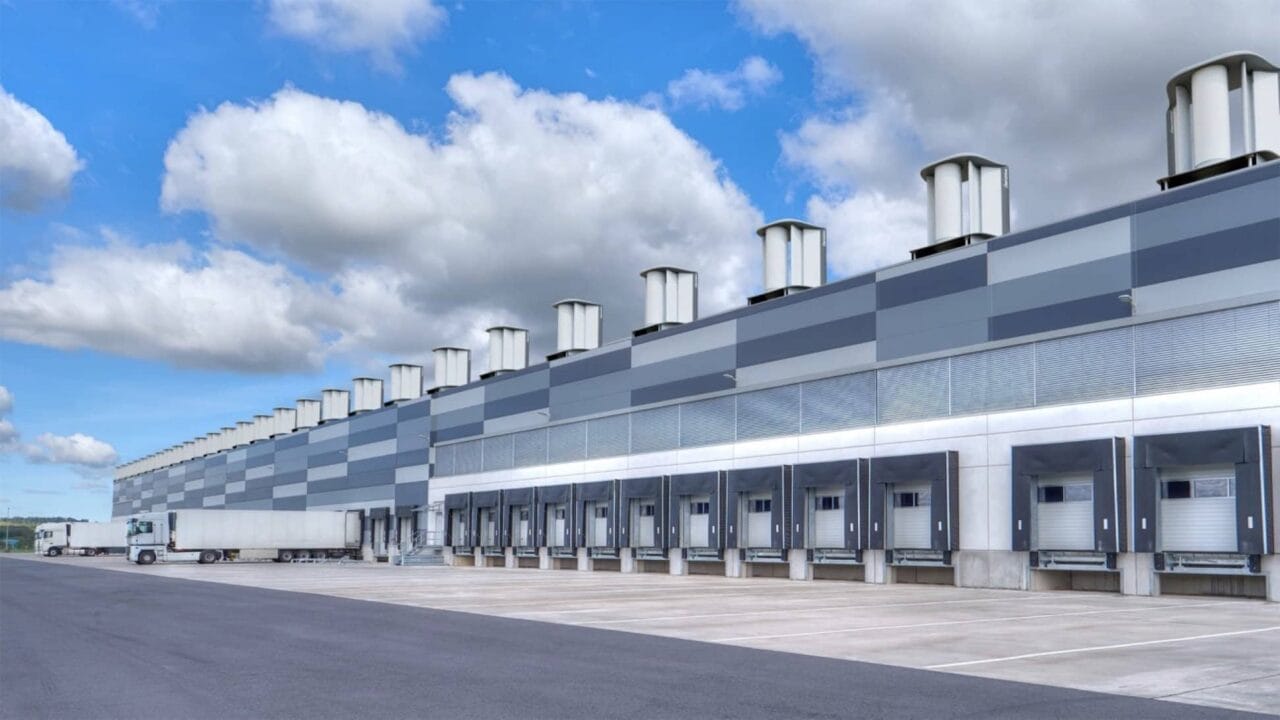
Company Develops New Bladeless Wind Turbine That Promises To Change The Renewable Energy Market And Make Solar Panels Obsolete.
A Aeromine, a U.S. company based in Texas, recently announced its new bladeless wind turbine that promises to make solar panels obsolete and change the course of the clean energy market. According to the company, a new bladeless wind turbine was developed that can generate 50% more energy than typically installed solar panels on rooftops or in large open fields for businesses.
Understand How The New Bladeless Wind Turbine Was Developed
Although solar panels have the advantage of not generating waste, their low efficiency and the need for hundreds of panels to generate a reasonable amount of energy for a business, for example, often make the adoption of solar technology disadvantageous.
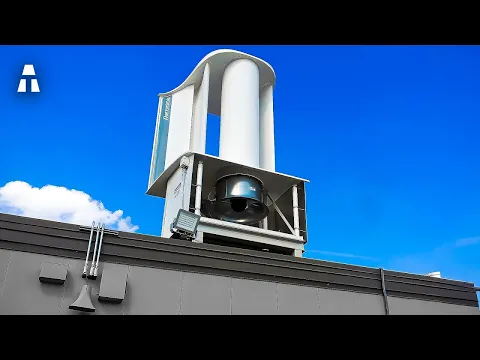

According to the company behind the project, its new bladeless wind turbine could significantly reduce costs while being more efficient in energy generation. Additionally, the company points out other advantages. Unlike conventional wind turbines (with blades), which are noisy, visually intrusive, and hazardous to migratory birds, the new patented system is stationary and generates no noise.
-
Brazil filled the Northeast with wind turbines but now faces the side effect of 705 giant blades reaching the end of their lifespan by 2032 just in Rio Grande do Norte, while the world projects 43 million tons of waste by 2050.

-
Brazil has filled the Northeast with wind turbines, but now it faces the side effect of 705 giant blades reaching the end of their useful life by 2032 just in Rio Grande do Norte, while the world projects 43 million tons of waste by 2050.
-
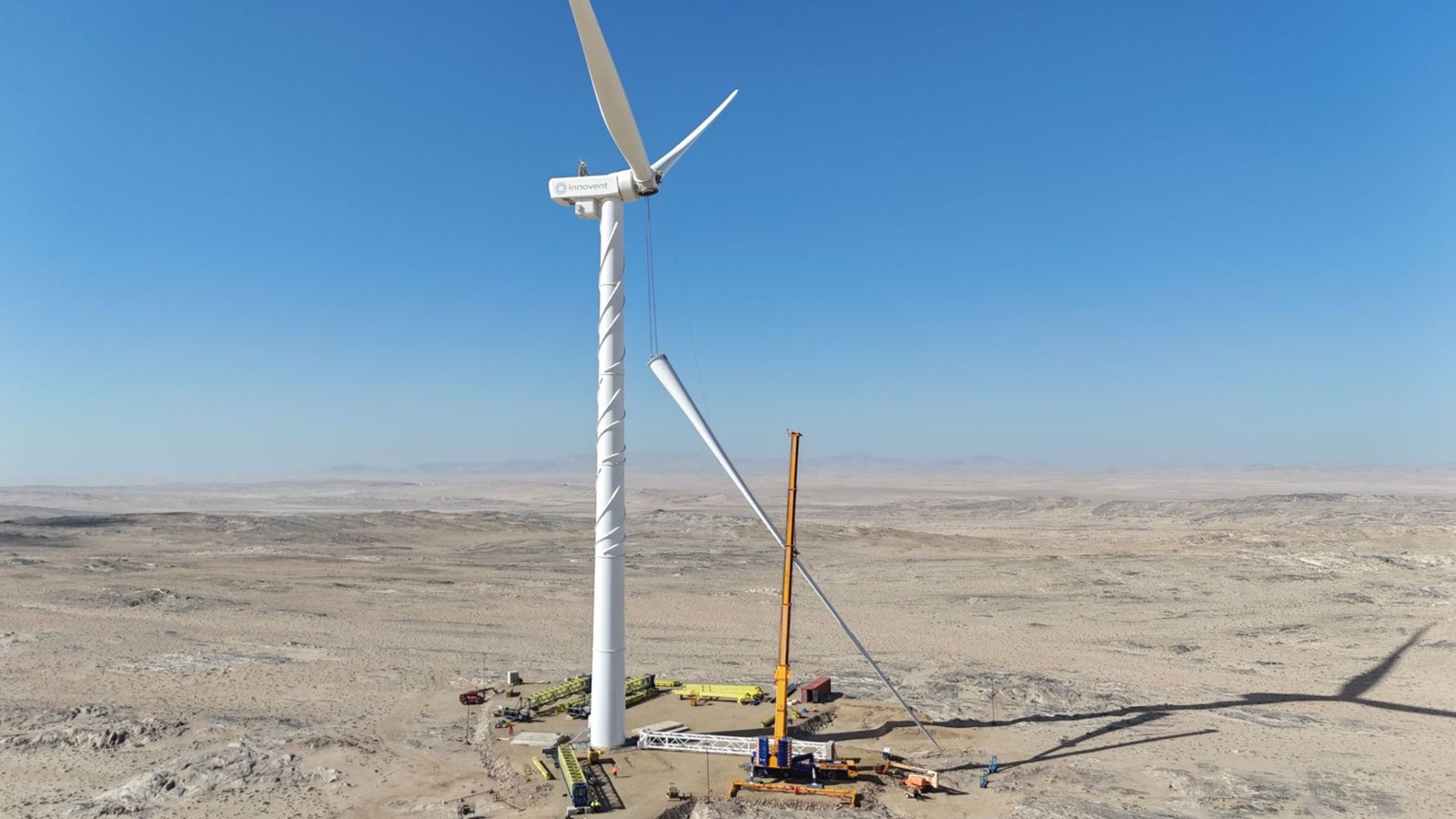
Wind farm in Namibia will have wind turbines assembled without giant cranes and is expected to avoid 200,000 tons of carbon dioxide per year when it becomes operational.

-
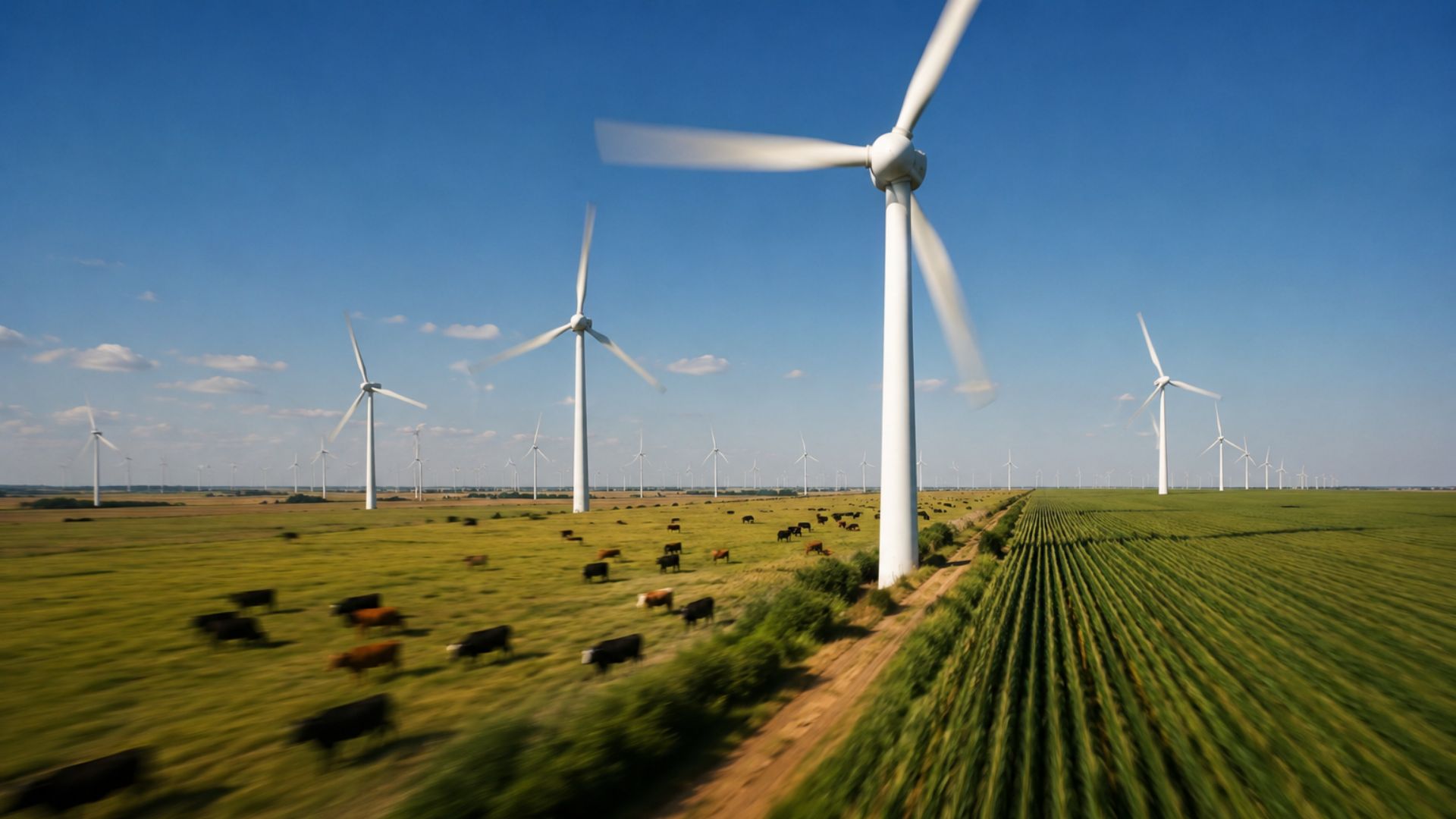
Taller than the Statue of Liberty, thousands of wind turbines are being planted in the middle of U.S. fields, creating two-story farms where corn and soybeans grow below while the wind turns into electricity above.


According to Aeromine, no expensive materials were required to create the wind generator, and it is quite practical to assemble and transport. Although it seems promising, the company did not provide many specifications about the product, such as the energy generation capacity; however, there are reports that the new bladeless wind turbine has a capacity of 5 kW, which is equivalent to the energy generation of approximately 21 residential solar panels.
Bladeless Wind Turbine Has No Lifespan Limitations
Furthermore, the new wind turbine can have multiple units installed in a home or building, with each able to generate about 14.3 MWh per year, while a residential solar system installed on a roof with a capacity of 6.5 kW produces about 9 MWh per year.
Another aspect that the company highlights, in addition to the silence compared to traditional wind turbines and the higher efficiency in relation to solar panels, is that the product has no lifespan limitations.
According to the company, the moving mechanical parts of the new bladeless wind turbine are housed within a duct protected from wind and weather, and they are lightly loaded compared to other rooftop equipment, such as ventilation fans, to last much longer. Aeromine also emphasizes that the bladeless wind turbine is cheaper, more durable, safer, and less intrusive than traditional blades, offering consumers an accessible solution to harness wind energy.
New Wind Turbine Designs Emerging In The Market
The Dutch company The Archimedes developed a new flower-shaped wind turbine that promises to be more efficient than traditional solar panels, marking a significant advancement in the field of renewable energies. As an intelligent windmill energy generator, the wind turbine was named Liam F1 Urban Wind Turbine. It can generate 1,500 kilowatt-hours of energy per year at a wind speed of 5 m/s, or 18 km/h.
To give you an idea, a family uses an average of about 30 kWh per day, 900 kWh per month, and 11,000 kWh per year. Consequently, just one unit of this turbine could provide over 10% of a home’s energy demands in areas with medium to strong winds. The larger model available from the company can generate about 7,500 kWh per year and can power multiple homes worldwide.


-

-

-

4 people reacted to this.