






 Portuguese
  Spanish


Paraná Is the 5th State with the Most Solar Energy Installations in Brazil and the Largest in Distributed Generation
Paraná is the 5th Brazilian state with the most solar energy installations in Brazil and one of the largest contributors to the country’s distributed generation. As of August 2019, 1,053 connections for solar energy capture were established in Paraná, which corresponds to almost 8% of the total installations nationwide. The state ranks behind only Minas Gerais, São Paulo, Rio Grande do Sul, and Rio de Janeiro. The information comes from the 1st Greener survey in 2019, published by the Brazilian Association of Distributed Generation (ABGD).
Read Also
Advantages of Solar Energy
The advantage of solar energy is that it is clean, sustainable, and provides a great economic return, and Paraná is already benefiting from this by excelling in distributed generation. “It is not possible to eliminate the bill entirely due to the minimum payment for network availability from the distributor, but compared to the electricity bill, which frequently has increased fees, the reduction is considerable,” he notes.
In November, for example, the rate was red at level 1, with costs between R$ 3 to R$ 4 for every 100 kWh in Paraná.
-
Brazilian scientists are simultaneously advancing two research projects on clean hydrogen and driving solutions that could transform the energy matrix, enhance industrial competitiveness, and accelerate large-scale emission reduction targets.

-
Advancement in renewable energy: A R$ 150 million project launched by Petrobras and Finep aims to create state-of-the-art electrolyzers for green hydrogen, strengthening national research and preparing Brazil to compete in a billion-dollar energy market.
-
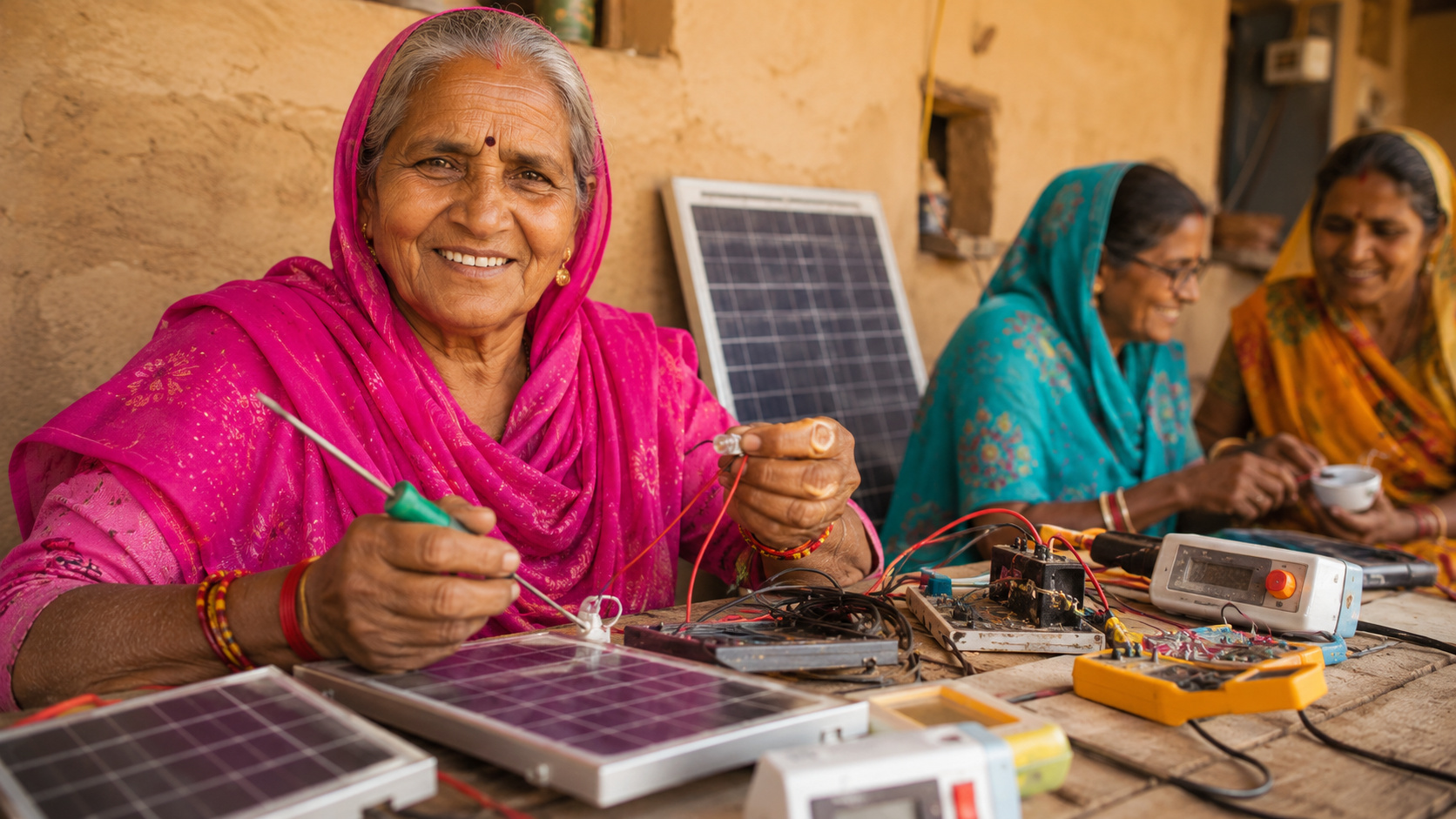
Illiterate or semi-literate grandmothers were trained to repair solar systems, open rural workshops, and light up homes that still depended on kerosene.
-
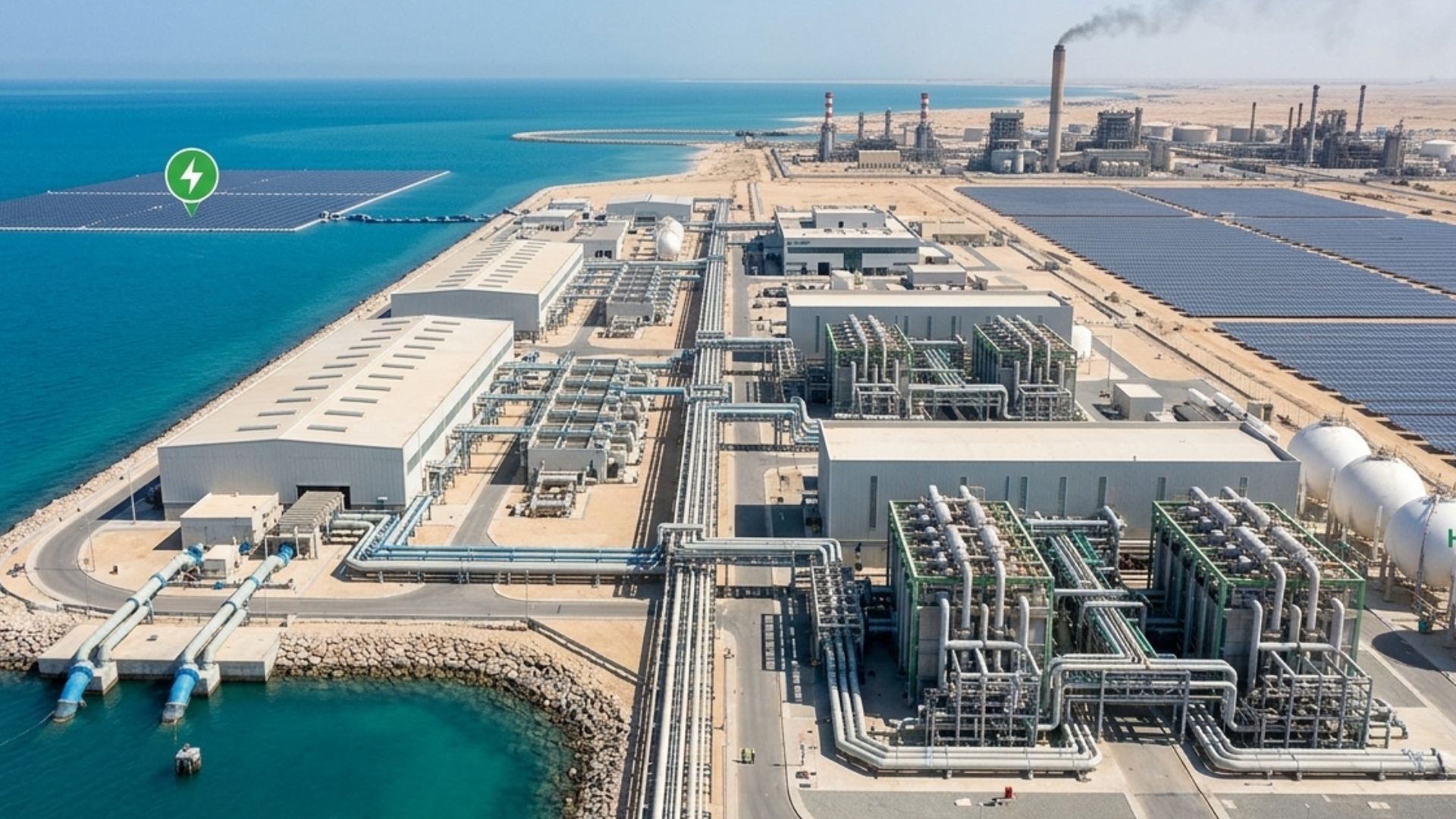
The world has bet on green hydrogen as the fuel of the future, but now faces the side effect: producing 1 kilogram requires about 9 liters of ultrapure water, and the largest projects on the planet are precisely in the driest regions of the Earth, where water is already scarce for people.



“We are observing a very high demand in cities in the region, partly because the installation price and equipment for solar energy have decreased, due to the ease of installation and the availability of financing lines,” says the manager of the specialized company, highlighting that the average time for the entire installation process is around 45 to 60 days – from the project to post-sale.
ABSOLAR Metrics in Paraná’s Distributed Generation
According to ABSOLAR, the benefits include the socioeconomic sphere, such as reducing electricity costs for the population, businesses, and governments, bringing savings to society. Additionally, they boost local job creation, estimated at 25 to 30 new jobs per MW/year; and attract foreign capital and new private investments to the country.
In terms of environmental impact in Paraná, highlights include the generation of clean, renewable, and sustainable electricity, without greenhouse gas emissions, without waste, and with low environmental impact.
Photovoltaic solar energy also has great strategic importance, promoting the diversification of the Brazilian electric matrix and assisting in the security and supply of electrical energy.









